Marriage is a very special relationship between people. Different customs, countries and other factors lead to various marital patterns. Fundamentally, the current marriage can be divided into two different modes: traditional marriage and modern marriage.
In traditional marriage, both men and women are greatly influenced by the customs of previous generations. They adhere to ideas such as matching social status, a mode of constant companionship, and a clear division of roles where men work outside and women manage the home. Cooking, household chores, and raising children have become synonymous with married women. This long-standing routine and stable way of life have led the previous generation to subconsciously view this as the comfort zone of marriage. However, the current state of modern marriages is vastly different. More and more young couples are rejecting traditional models, boldly stepping out of their comfort zones to redefine family roles. Some embrace long-distance marriages, while others adopt contractual-style marriages. In this rapidly evolving era, the stage of marriage is also staging an open and diverse innovation journey.
Today, gender equality has become the main theme of the world. According to the World Bank Group, by 2023, up to 170 countries believe that women can find jobs just like men. Compared with the traditional marriage model, today’s women are no longer confined to taking care of the household. More and more women desire to have their own careers and share the financial responsibilities with their husbands. Meanwhile, men are increasingly shifting their focus towards the family.
‘Yes, I run my own business, and I work just as much as my husband, sometimes I work a lot more than he did,’ said Katy Bailey from the UK when we asked her if her marriage has broken away from the traditional marriage comfort zone. She believes that the traditional marriage is still quite common today because it has been passed down through generations, and there are still people who agree with it in modern society. However, Katy feels that her current marriage model is the best for her life development. ‘I think this is how marriage should be. It should be a partnership, both sides should be equal.’
Katy expressed that her marriage is very happy and far from conventional. She and her husband have clearly defined their rights and responsibilities, including the division of household duties, financial planning, and personal development goals, which she considers the main reasons for their marital happiness. ‘I believe you should always do what makes you feel comfortable, and that’s what marriage should be like now—supporting your partner in achieving what they want in life.’ In this new era, traditional marriage can not bring equal emotional value to both partners. In order to interpret the “people-oriented” of the new marriage model, Katy’s marital state is the best example.
Of course, today, the connections between regions and countries are close and convenient. Due to work, children’s education, and other reasons, it is not uncommon for couples to live apart in different locations. Such a marriage has a significant impact on both partners’ lives and emotions. I reached out to Jia Hou, an overseas Chinese who resides in Singapore, whose marriage is a typical example of a long-distance relationship.
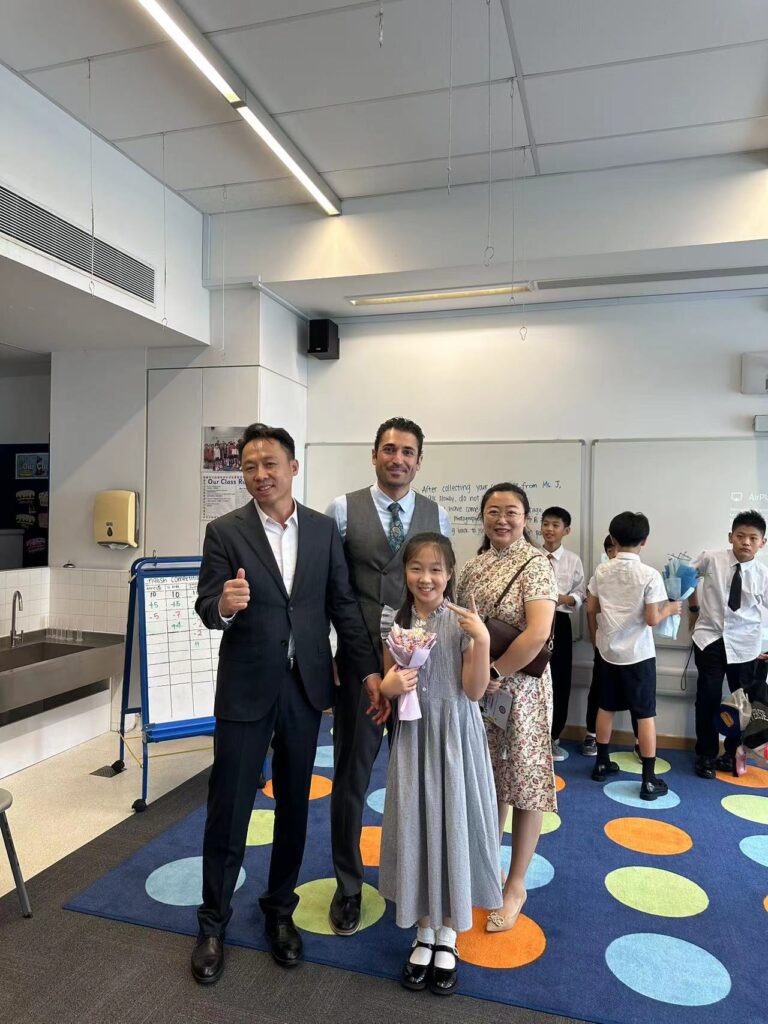
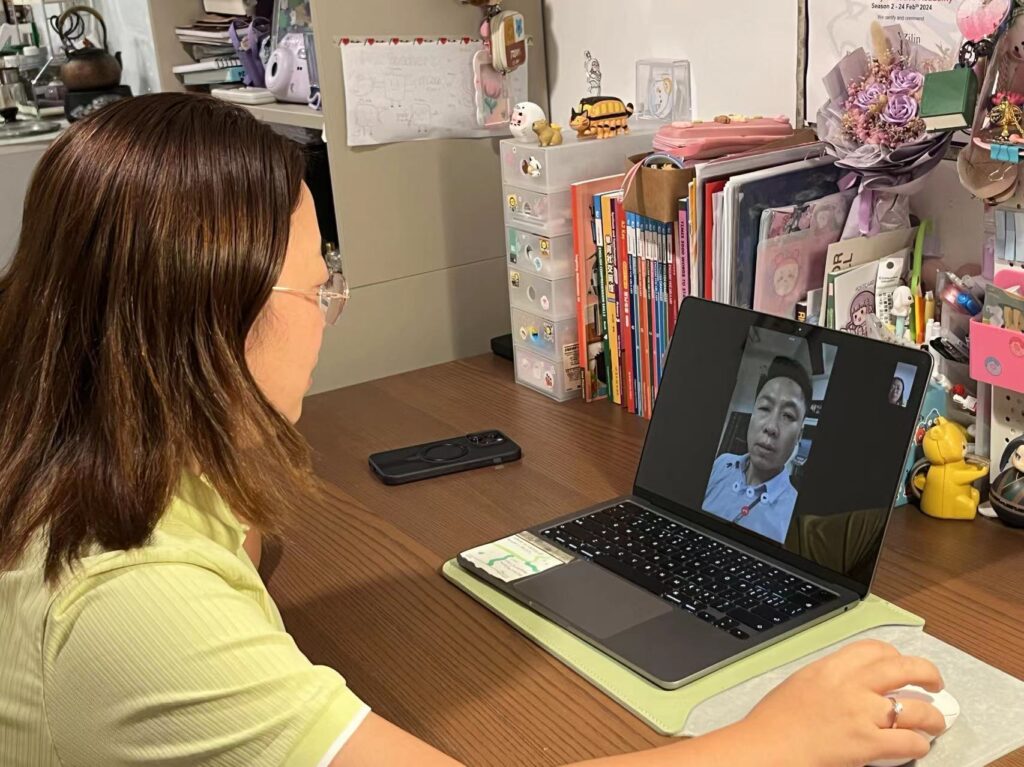
Jia Hou’s reason for choosing a long-distance marriage was to give her children a more diverse education and to find new career opportunities for herself, but this brought great challenges to her marriage. Jia said, ‘My husband in China has to take care of his daily life and meals by himself, while I have to manage our child’s education and daily life alone in Singapore. These are all new challenges for us.’
Worldmetrics statistics show that in 70 percent of long-distance relationships, technology plays a crucial role in maintaining communication. To keep their bond strong, Jia and her husband video call every day to share their experiences. The distance does not bring them indifference or emotional distance, but rather encourages them to face the situation bravely and take proactive measures. ‘When we were together as a family, we used to help each other with household chores and taking care of the child. For instance, I didn’t know how to cook, so my husband would be the family chef. After I moved to Singapore, we often video call, and my husband teaches me how to cook through the video. This not only strengthens our relationship but also helps us realise each other’s efforts.’ Jia believes that her choice is very correct, as they both work hard for each other’s future and their child’s development. This long-distance marriage has also made them and their child more independent and appreciative of each other. ‘When we are apart, we focus on studying, working, and taking care of our own lives, and in our free time, we pursue our own interests. When we are together, we enjoy each other’s love, understand and cherish each other’s efforts for the family.’ Jia said.
The transformation of modern marriage is not a rejection of tradition but rather an innovation and development built upon traditional foundations, retaining the essence and discarding what is out of date. After stepping out of the traditional way of marriage, these new modes of marriage provide young people with more possibilities to pursue happiness, so that they can better realize their self-worth in marriage. At the same time, they inject new impetus into social progress.