

Unpaid work and funding cuts have long been part of the arts sector. For musicians, playing low-paid gigs and funding their own tours and recordings is nothing new. Yet, these financial barriers also mean that many talented artists never get beyond the starting line.
Across the UK, the odds for working-class musicians are stacked. A recent analysis by The Guardian found stark divides in classical music, where 43% of Britain’s top performers were privately educated, compared with just 8% in pop music.
While the numbers may vary between genres, the barriers run deep. Last year’s The Sutton Trust research showed young adults from working-class backgrounds are four times less likely to work in the creative industries than their middle-class peers. Top-selling musicians are six times more likely than the public to have attended private school.
Passion and talent alone cannot pay rent.
These numbers reveal a system that favours those with secure financial backing. Leeds-based independent musician Ewan, aka “Ewy”, knows this first-hand. Without a musical family or formal music education, they only truly started pursuing music when they found a way to balance it with part-time work:
“A massive thing that’s like the foundational element of why the arts, in general, but especially music, is so elitist is just because rich kids, you know, they can basically pursue it for like 4 or 5 years and not need to actually make any money. The only reason why I started pursuing it is because I was making money to the point where I don’t have to work full-time anymore.”
From National Struggle to Local Battlegrounds
The North East – with its rich musical and working-class heritage – is no exception. North Shields musician Liam Fender has spent a good two decades building his craft. “It’s only now that I’m sort of starting to see some shoots of it actually going in a more positive direction, but it’s still tough,” he says.

His working-class background deeply informs his music but also presents industry barriers. Even years later, Liam still feels these in what he does. He says, “For at least the first few years, unless you’re really lucky, you’re not making any money,” but also adds, “even now, I still have to do other work.”
For Liam, one of the big issues also comes from how the industry itself shifted from record sales to streaming platforms, bringing in little to no income for artists like him:
“I’ve put two EPs out over the last few years with a small, independent label, so there’s no big advance to live on or anything like that. We’re a few years in now, and I’ve not seen a penny from streaming, like not a single penny. The money that was invested in making the recordings needs to be recouped before I’ll actually see any return.”
Trying to be creative when you’re constantly up against it, you know, constantly into your overdraft and worrying about your credit card bill going up – it all becomes counterproductive.
Liam Fender
Despite such constraints, Liam – whose dad worked in a recording studio and who has always been surrounded by music – would never think of giving up.
Levelling the Playing Field
For young artists, like Gateshead-based “Timmy”, early access to creative spaces has been crucial. At twelve years old, he walked into The Soundroom – a music charity in Gateshead, providing several instruments, training, rehearsal spaces, recording facilities, and a stage for performing.
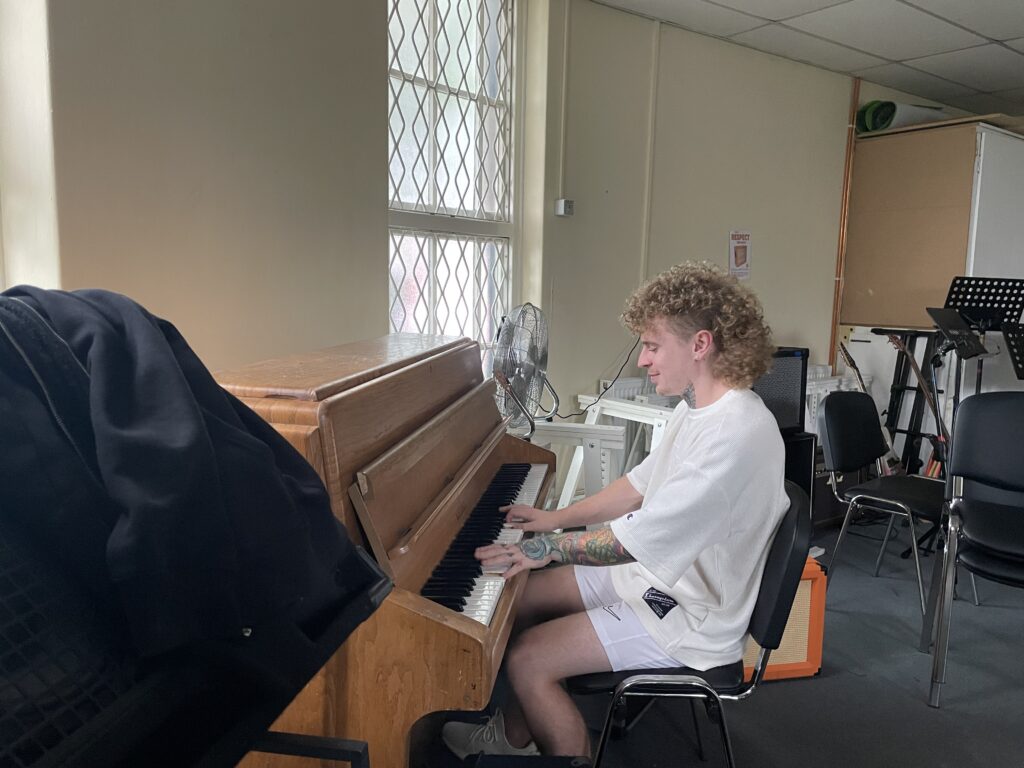
“I was actually able to form my first band and made friends with the older lads that came here who were in their early twenties, and they got my band on at a gig, and it kinda went from there, and I got to play my first gig here when I was thirteen,” he recalls.
The charity was formed in the 1980s as part of Gateshead’s Deckham Music Collective and is now independently thriving thanks to generous instrument donations and volunteers, keeping the ethos of openness and affordability alive.
“It’s very good because it’s super affordable, and it has good gear that works and people here who are nice and kind and want to help and will platform you,” says Timmy.
We feel it’s important to try and level the playing field and give opportunities to people that wouldn’t necessarily even be exposed to the possibilities of a career in music.
Marek gabrysch, Studio Engineer at the soundroom in gateshead
Project manager Lynn Greenwood explains: “Whatever your sound, it’s open to all. It’s an affordable place for people to come and listen to, create, and record music.”
Studio engineer Marek Gabrysch sees The Soundroom’s mission as much more than providing space:
“We feel it’s important to try and level the playing field and give opportunities to people that wouldn’t necessarily even be exposed to the possibilities of a career in music. We can actually show them that it’s possible, show them the steps, and send them on their way.”
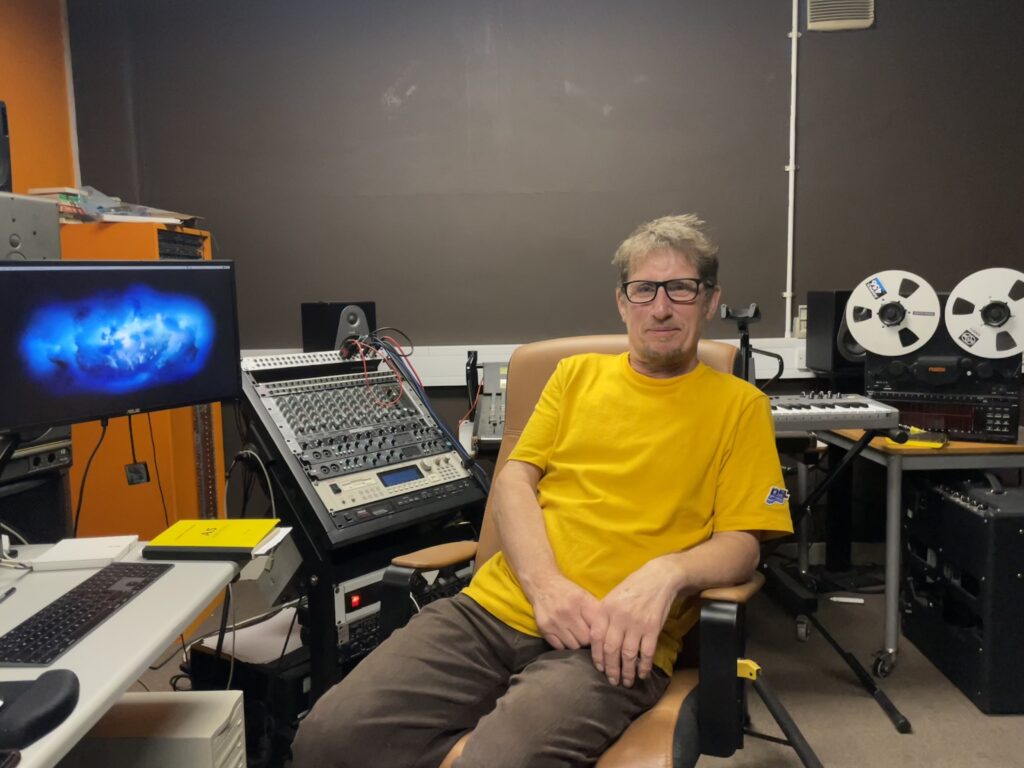
For aspiring artists in the North East, especially without formal training or access to equipment, such places can make all the difference between giving up or keeping the dream alive.
The Road Ahead
Despite difficulties, the North East is steadily nurturing its music scene. New cultural investments, such as North Shield’s Cultural Quarter, bring hope.
I think there’s definitely a bit of a buzz in the North East.
Liam Fender
Liam Fender remains optimistic: “I think there’s definitely a bit of a buzz in the North East. It’ll be interesting to see where Newcastle and the North East will be in ten years’ time. I know EMI have sort of set up an office up here. A lot of it is trying to get it out of the capital and make the spread a little bit fairer across the country, especially in the North.”
In the end, it’s the people who keep the music alive – the music communities, the artists playing against the odds, and all of us who choose to support our local music scene.
To see an exciting example of the versatility of the North East’s music scene, click here.