
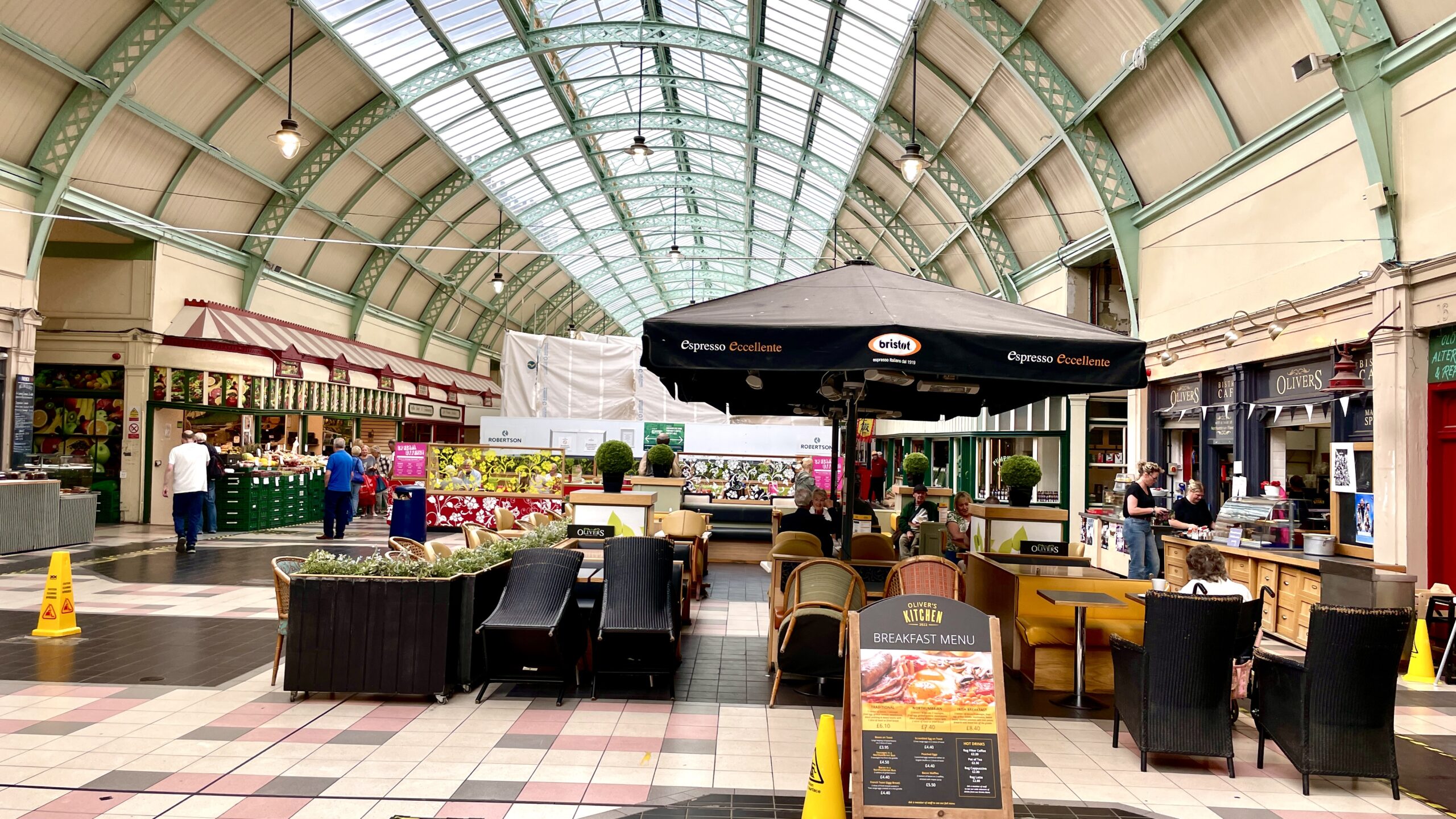
Walk into a small café, a cake shop or a handmade gift shop on the streets of Newcastle and you might not realise that behind the door is a battle to “hang on” and “survive”.
With slow economic growth and rising operating costs, small business owners are under unprecedented pressure. According to the latest figures from the Office for National Statistics and a report by the North East Chamber of Commerce, the North East has one of the higher rates of economic inactivity in the country, and the number of small businesses in Newcastle is well below the regional average. In the midst of this silent crisis, many small businesses are struggling to survive.
I speak to three small business owners from different sectors in Newcastle. Andrea Willis, who runs a sandwich deli, Tony Morris, a fruit and vegetable wholesaler, and Leslie Armstrong, owner of a handmade gift shop, provide a snapshot of what it is really like to be a small business owner in the midst of economic inactivity.
Staying Open When Customers Stop Spending
Source: Photo by Haowen Lu
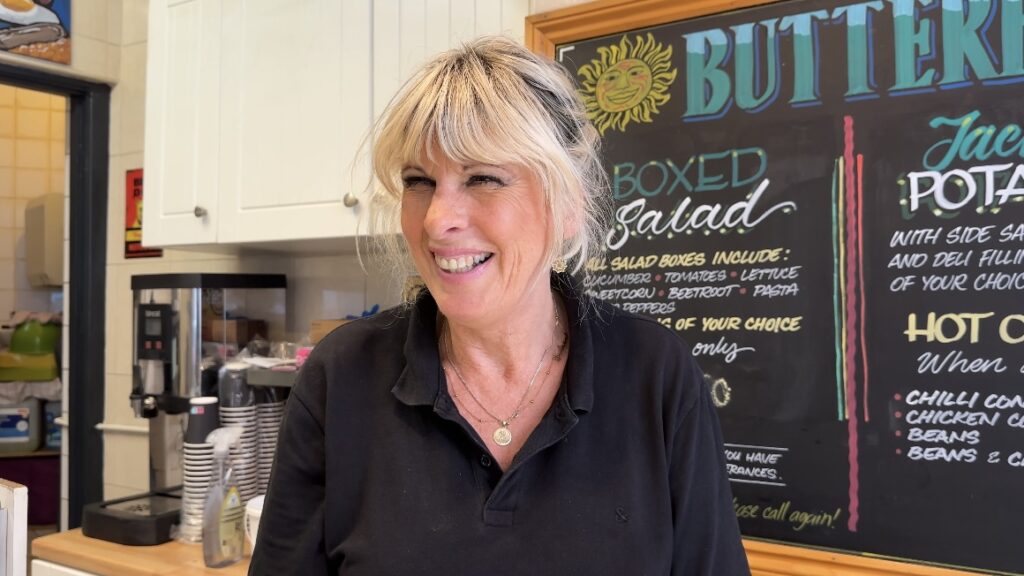
“I don’t have any waste now, and I just try to concentrate on the products that sell,” says Andrea Willis
Source: Video still by Haowen Lu
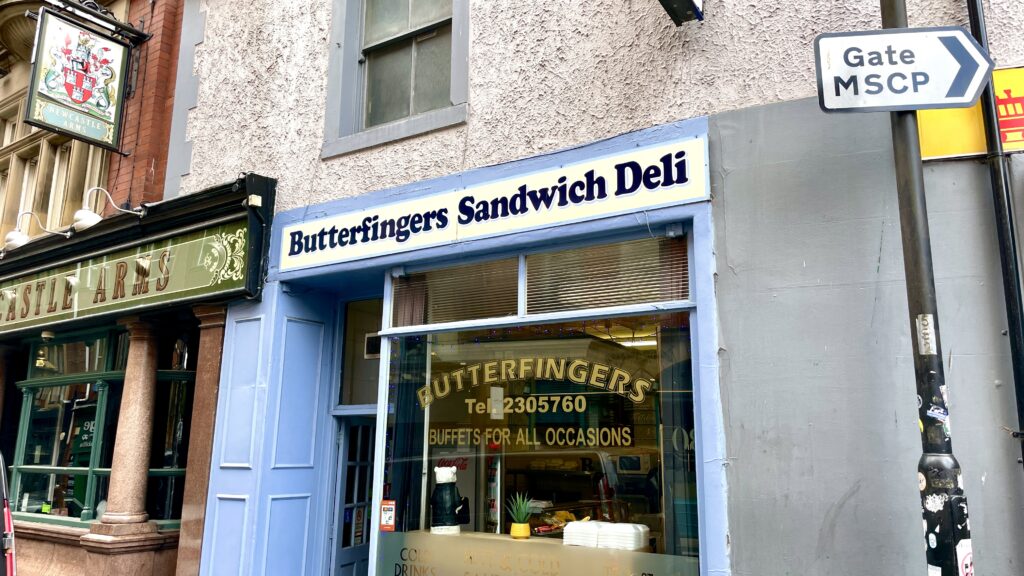
Andrea Willis runs a small shop called Butterfingers Sandwich Deli. It is well known in her neighbourhood. But she says business has significantly declined in the current economic slowdown. “A lot of people now bring their own lunch into work to save money themselves.” She emphasises that office workers now work from home a couple of days a week, so they do not even come in for lunch anymore.
In addition, she says, what has made things even harder is the unseen and hidden costs of running the shop. The cost of raw materials — especially wheat and flour — has been steadily rising.
At the same time, in recent years, the authority has been calling for the use of more environmentally friendly packaging, such as cardboard boxes and wooden knives and forks. “But these are all more expensive for small businesses, which I’m happy to do because I am an environmentalist. But I feel the government should have helped in order to transition, to help buy the new stock in, because it’s expensive,” she adds.
To stay afloat, Andrea has shortened her menu and reduced stock, kept only her most popular items, and cut her opening hours when there is little customer traffic. “Now I’ve just got a smaller chiller, sell out and close the door,” she says.
Although Andrea faces a lot of difficulties, she still insists on opening her doors on time every day and welcomes every customer. Andrea admits she really loves chatting with customers and enjoys hearing about their experiences. She explains, “Newcastle is a very vibrant city and lots of different people come to the shop, we chat like old friends.”
Supply Chain and Staffing Issues Intensify
Source: Photo by Haowen Lu
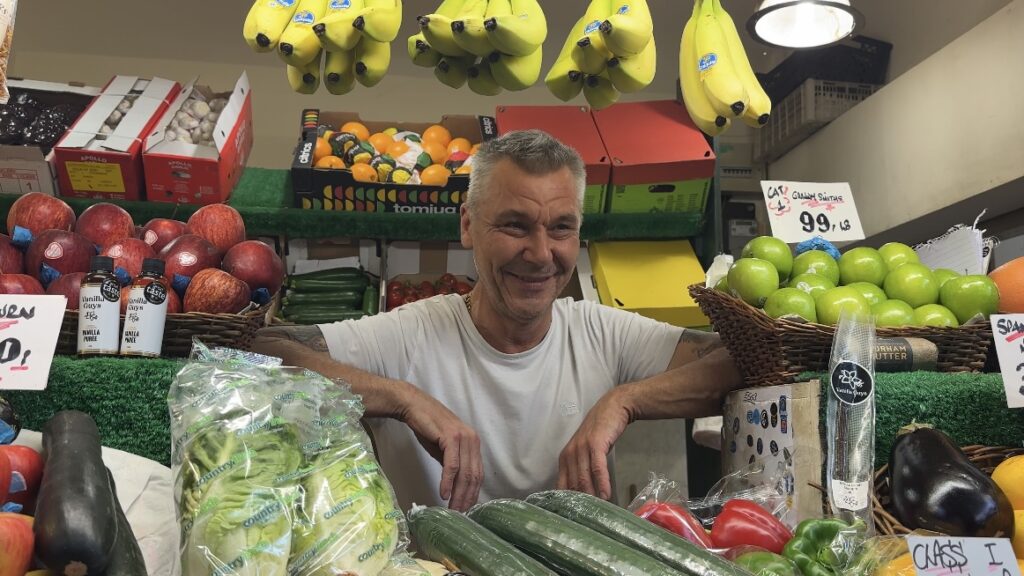
“I sell fruit and veg, not gold, but it’s high pressured and it’s full on,” says Tony Morris
Source: Video still by Haowen Lu
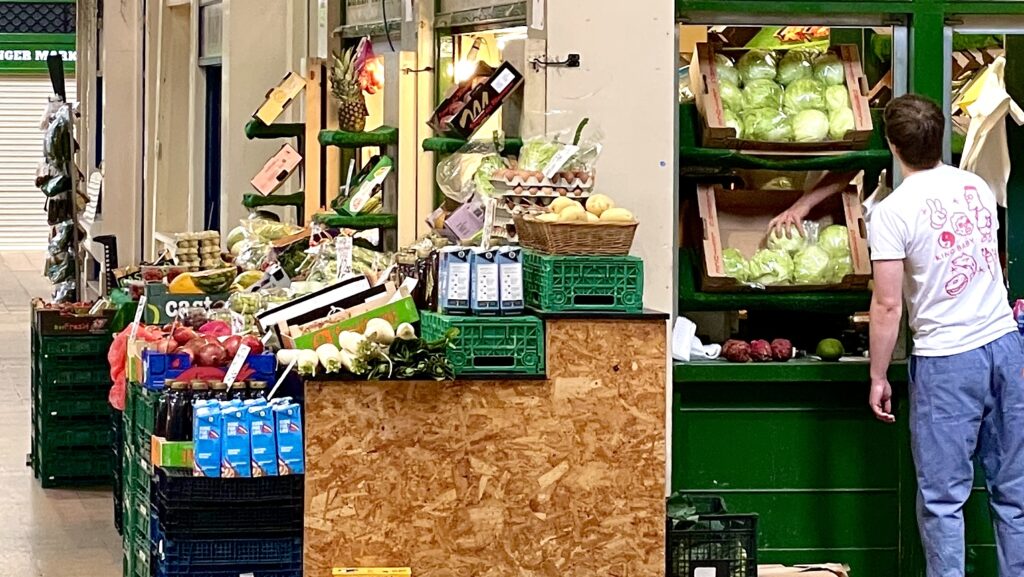
Tony Morris is a fruit and vegetable wholesaler in Newcastle. He supplies fresh products to local restaurants, bars, hotels and the public. Many people think that fruit and vegetables are necessities and that a small business like his should be low-risk. However, Tony admits that the reality is far more complicated than expected.
He explains, “Foot traffic in town has dropped a lot, especially with fewer tourists.” As a result, many restaurants and bars have fewer customers than before, and he is also unable to sell his goods because the catering industry has fallen out of favour.
But it is not the sales that are really giving Tony a headache — it is the fact that he cannot find the right staff. “You can have the freshest fruit and veg, but if there’s no one to move it or deliver it, then it’s all just for show,” he complains.
Despite all the pressures, Tony does not sound discouraged at all. When I half-jokingly ask him if he still feels optimistic about the future, he says, “People will always have to eat. And in the afternoon — quiet, done — everything’s done.”
Survival Strategies: from Stores to Stalls to Online
Source: Photo by Haowen Lu
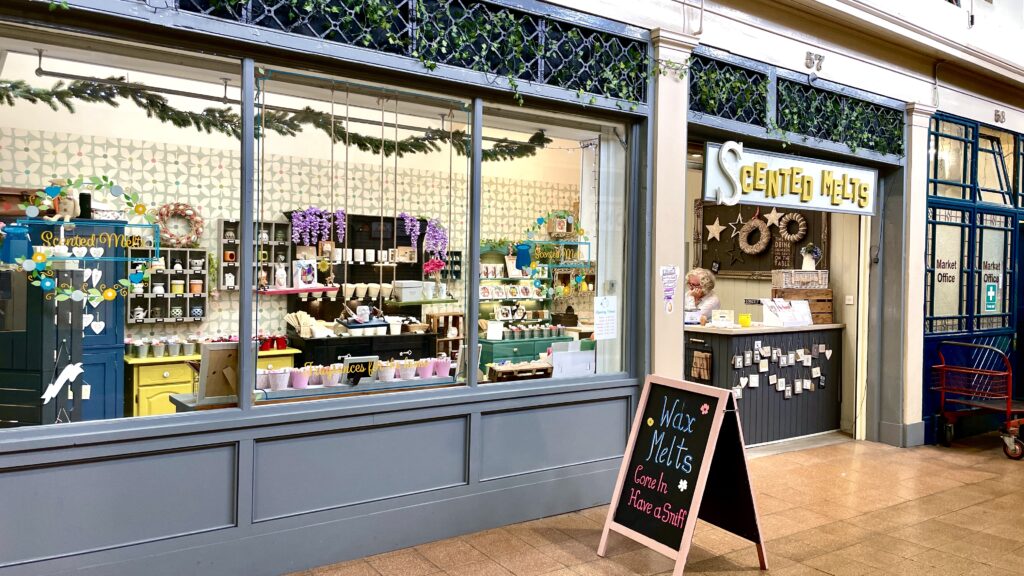
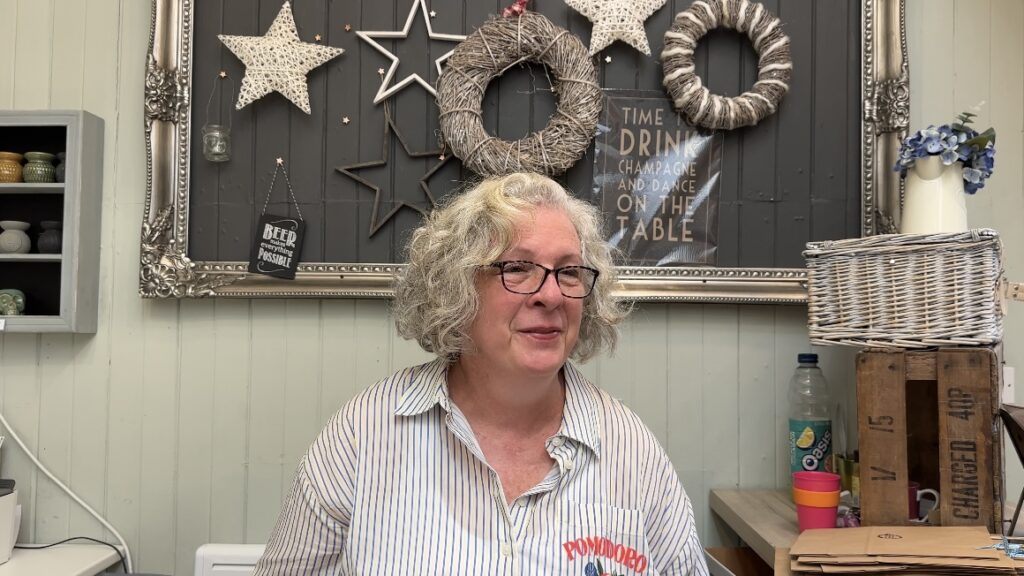
“Just have faith in your own product, in your own ability and just hang in there,” says Leslie Armstrong
Source: Video still by Haowen Lu
Leslie Armstrong runs a handmade candle and gift shop called Scented Melts. She says that although her products are exquisite, they are increasingly seen as a non-essential “luxury” in the current economic climate, especially with the gradual increase in the price of basic living goods.
She admits, “This year, 2025, we’ve seen a fall in business definitely.” To solve this difficulty, Leslie has started updating her social media content more often, such as shooting short videos of her products, posting limited-time offers, and interacting with people in the comment area to strengthen her online presence. Besides, she has also tried to increase turnover by setting up stalls at local markets.
Leslie particularly mentions Christmas as the most crucial selling season. It is the brightest time of the year, and she will do her best to prepare for it. She explains, “We’re very busy at Christmas, so we always have Christmas to pull us back, so it’s always a good thing.”
Government Support Eases Pressure on Small Businesses
In the face of increasing pressure to survive in operating a small business, both authorities and local communities are offering more support to small business owners. The purpose of these measures is to reduce their burden and help them operate more smoothly.
For example, the UK government has recently introduced the Small Business Plan, the main contents of this plan include reducing red tape for startup businesses and providing business rates relief.
The “breathing space” that these policies have brought to many shop owners may be the reason why they have decided to keep their business going.
The pressure of survival faced by small business owners may not end soon. But their choice — not to back down, not to complain, not to give up — is what keeps Newcastle alive and vivid.
This website is produced by journalism students. The views expressed on the site are not that of Newcastle University. They are the personal views of the student editors and contributors to this website. Seek professional advice for any health-related matter. Every effort is made to ensure that information contained on this website is accurate and up-to-date. However, information is subject to change and we can not accept liability for the accuracy of all the information presented at any given time. We do occasionally provide links from our website to information from third parties. We accept no responsibility for information obtained through such links.
Really good idea
Yeah, it’s true. Thank small businesses!