How the gluten free diet fad isn’t healthier – physically, mentally, or financially
Eating gluten free does not belong in diet culture and should not be treated as a fad. I get so frustrated when I see a health junkie saying they are ‘trying out eating gluten free, it’s great for weight loss’.
The common misconceptions of gluten free foods automatically being healthier must be addressed to break down the stigma.
Diet culture in itself is extremely harmful, 1 in 50 people in the UK have been effected by an eating disorder and dieting is a strong catalyst for such mental illnesses. The detrimental impacts, both physically and mentally, of diet culture is reason enough not to pursue a diet.
To those with coeliac, the term gluten free ‘diet’ isn’t a choice of health but a necessity for their livelihoods.
Coeliac disease is an auto-immune disease that causes an allergic reaction and severe damage to the body when consuming gluten – there are immediate and serious long-term consequences to eating gluten that people diagnosed know to avoid gluten at all costs.
There is no such thing as a ‘cheat day’ for coeliacs.
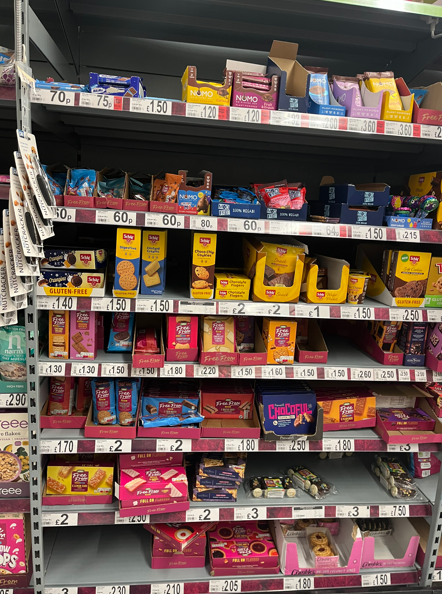
Physically, gluten-free substitutes can contain high amounts of unhealthy ingredients with additives, sugar, fat and sodium all in which try to improve the taste from the lack of gluten.
Having a gluten free label on it does not necessarily make it healthier.
In a study published, 10 out of 10 people without coeliac disease, that followed a gluten free diet, stated they suffered from a pro-inflammatory gastrointestinal environment from a lack of fibre and prebiotics. It is pretty simple, if you can eat gluten, it is healthier for you to do so.
Financially, the gluten free tax is real; 77% of people with coeliac disease disclosed that they struggle to afford gluten free products, according the 2024 Coeliac UK report. Not only are some people eating gluten free in the false hope of being healthier, but they are spending unnecessary money to do so.
It is healthier for one’s bank account and own nutrition to not eat gluten free products – unfortunately those diagnosed with coeliac do not have that choice. Choosing to eat gluten free is a privilege.
In terms of nutrition, the diagnosis of coeliac also comes with the fact that those with the disease fail to absorb essential vitamins such as iron and calcium. Eating rice and potatoes as a substitute to gluten free bread can reduce iron and calcium intake by 93% – another reminder that ‘being gluten free’ is not healthy for coeliacs and multitudes of struggles come with it.
Mentally, this stereotype is harmful. I get so frustrated when people come up to me and say “just have some of this it isn’t going to hurt” when in reality, eating gluten will hurt in the short and long term. Learning to live with a lifelong condition and following a diet as the only cure is a struggle some people fail to understand.
Isolation, anxiety, depression, and fatigue are all mental symptoms coeliacs face due to the decreased quality of life and deficiencies caused by the chronic illness.
So when people assume I’m being picky or just trying to be healthier, it can get exhausting. Not only is the stereotype harmful but it impacts the societal acceptance of coeliac disease, just because there is no anaphylactic reaction, it should not diminish the seriousness of the allergy.
Unless medically advised by the doctor, a gluten free diet should not be your goal for losing weight or being healthier. Gluten free is not a wellness trend and for coeliacs it is their only option of health. For coeliacs, gluten free is filled with obstacles that are physical, mental and financial. Asking a person with coeliac disease whether they would choose to eat gluten would result in a consensus: 100% would say yes.
Completely agree with this! I can’t believe some people think coeliac disease and having to eat gluten free is a choice and that it’s healthier. I also hate when people say “I couldn’t do that I’d just eat gluten anyway” when it’s not a choice