
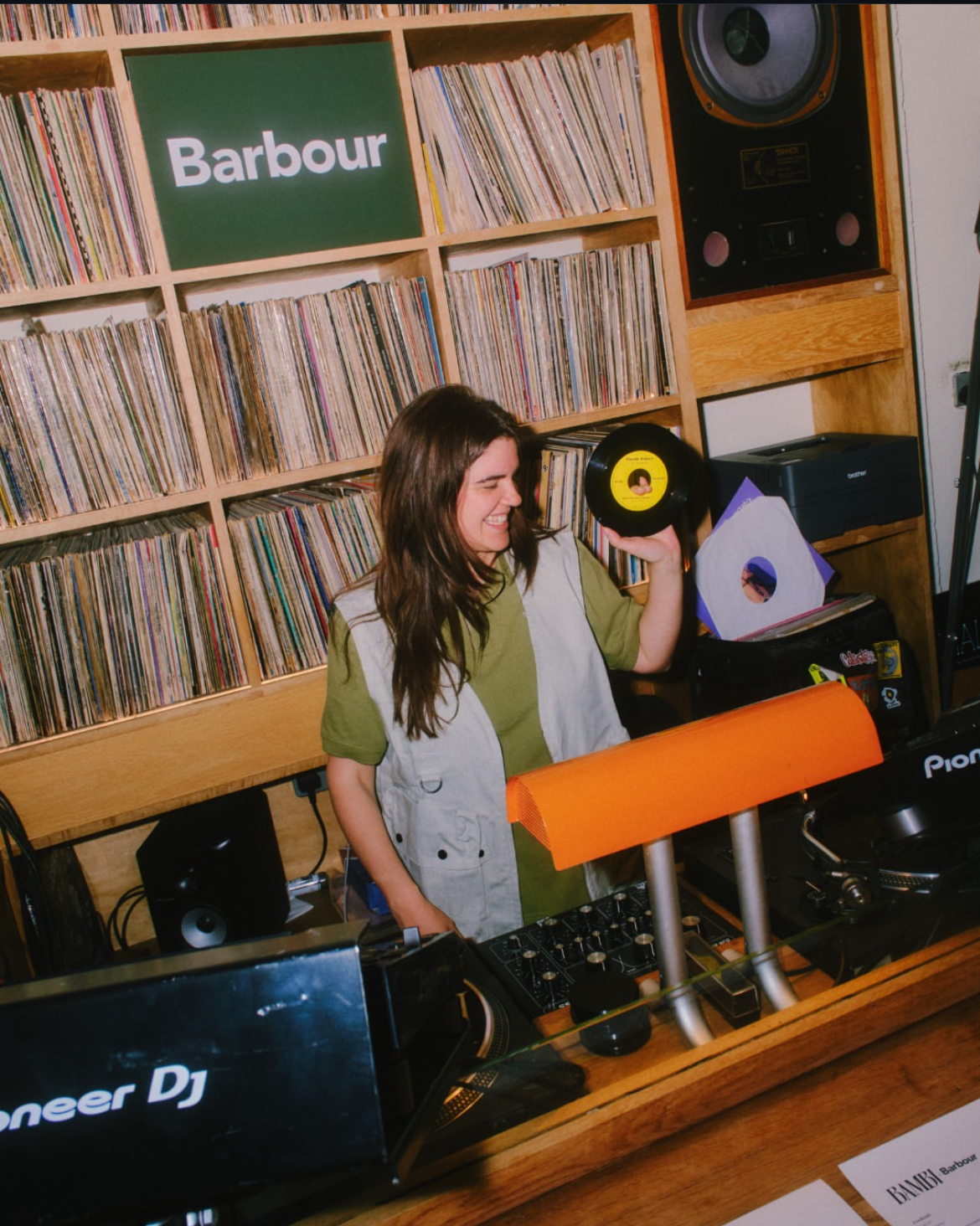
Newcastle Upon Tyne has always been a hub of student nightlife in the UK. A city where packed dance floors, bar crawls and queues for fan-favourite takeaways shape the university experience. But when the clubs and bars closed their doors for Covid-19 a slow shift has occurred, seemingly overnight.
Clubs were once at maximum capacity on a Wednesday night, and you’ll still find busy venues midweek but nightclubs struggle to draw the same crowds throughout the week, the way young people party has changed. Students are still going out, but often choosing alternatives clubbing. And its not just a phenomenon up North, the national nightlife landscape has undergone changes.
The Rising Cost of Going Out
The reasons behind this shift are complex and interconnected; economic pressure, post-pandemic behaviours, and growing safety concerns are transforming how, when and where young people choose to socialise.
A key factor behind this cultural shift is economic. The average cost of a night out in Newcastle, factoring in a ticketed entrance fee, drinks, transport and late-night food now can exceed £50. For students and young people grappling with rising rent, food prices, minimum wage and student loans, that figure has become unsustainable.
According to the Night Time Industries Association, 68% of young people have reduced participation in late night activities, with the economic environment being a primary reason for this. In an era where even supermarket alcohol is rising in cost, the attraction of spending heavily for a night out does not draw in the masses.
And then there’s safety to consider, the same data reveals that over half of young women feel unsafe when participating in nightlife. A statistic that cannot be ignored when assessing the declining club attendance, particularly with the current rise in violence against women and girls in the UK, it’s no surprise women feel unsafe in this male-dominated space.
The financial chokehold is affecting both ends of the hospitality industry. While casual venues like pubs are benefiting from the pivot away from clubbing, multi-purpose venues are witnessing a demographic shift. A worker at Newcastle’s Digital nightclub explained that whilst drinks and entrance prices rise, customers appear to be caring less about spending that money. Suggesting that the clientele has shifted to people that have more disposable income to spend on these higher rates.
Pandemic Hangover, the Shift
The Covid-19 pandemic disrupted every aspect of everyday life, and also reconfigured social habits. It normalised staying home and day drinking, earlier nights and smaller social circles. For many students entering university after 2020, academics came with reduced social pressures less of a focus on nights out. This aligns with a broader decline in alcohol consumption amongst Gen Z who are statistically drinking less than previous generations.
Daytime events, brunches and casual daytime bar crawls have replaced bass boosted dance floors for many. Digital nightclub has responded to this change by hosting more daytime events like Disney themed events and Eurovision watch parties, acknowledging the shift in demand from all-night raves to more subdued socialising.
A Generational Shift in Priorities
There is also a broader cultural change happening. Gen Z is widely regarded as sober curious and more socially and financially conscious than previous generations. The general culture of excessive drinking is fading, and can you blame them? In politically and economically unstable times, drinking is not a resolution to their problems.
The value of socialising is being redefined. For some it means spending £20 on bottomless brunch rather than £50 on a messy club night. An investment in experiences that feel more meaningful seems to be the trend, rather than a repetitive late night which most university students have already done twice over. Today’s students are more mental-health aware and more inclined to spend quality time in smaller social circles, large crowds and loud music no longer represents the default fun event for most.
What’s next for the Nightlife Industry?
The nightlife sector, particularly traditional clubs, is facing unprecedented challenges, but with that comes potential for reinvention. Expect to see more multi-purpose venues that combine art, club culture, local food and much more under one roof.
Many clubs are exploring hybrid functions, offering daytime activities, themed events or non-alcoholic alternatives. Venues like World Headquarters host very cheap or free events for students in an attempt to regain the crowd. Others are introducing collaborations with large brands for example, North East champion Barbour recently paired with Shy Bairns Collective, an alternative club night and record label to showcase DJs and Barbour’s British products.

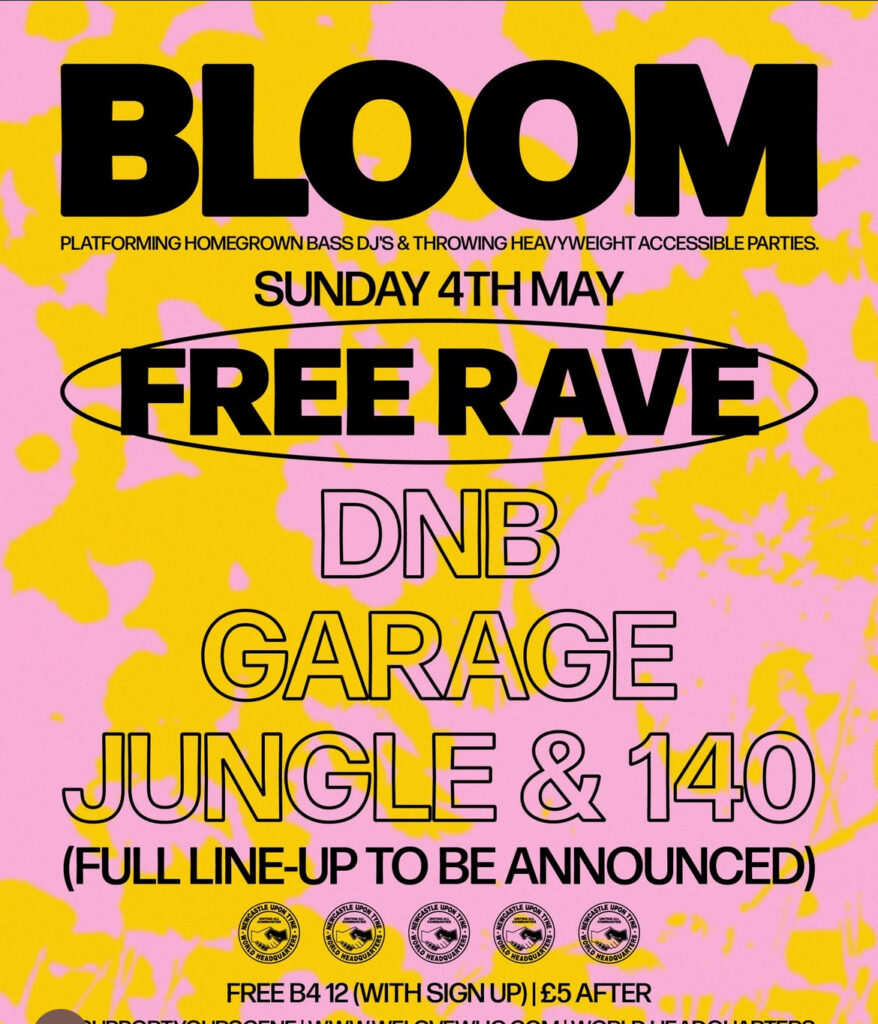
In cities like Newcastle, this could mean less multi storey clubs and more independent pubs, live music venues and creative community led spaces. Spaces like these have already gained a cult following for those in the know. These shifts may redefine the city’s image and party stereotype but could also bring about a diverse and sustainable nightlife that we are beginning to see popularised.