The arrival of the MOBO Awards to Newcastle in February 2025 marked a significant cultural moment, bringing the celebration of black culture to the North East for the first time, a region which local black artists have been historically overlooked.
Despite that, a spokesperson for the MOBO awards described the reaction to the event and its fringe festival as ‘overwhelmingly positive’.
But what exactly was done for the city of Newcastle, and what lasting impact will this cultural milestone have?
What was done in the city
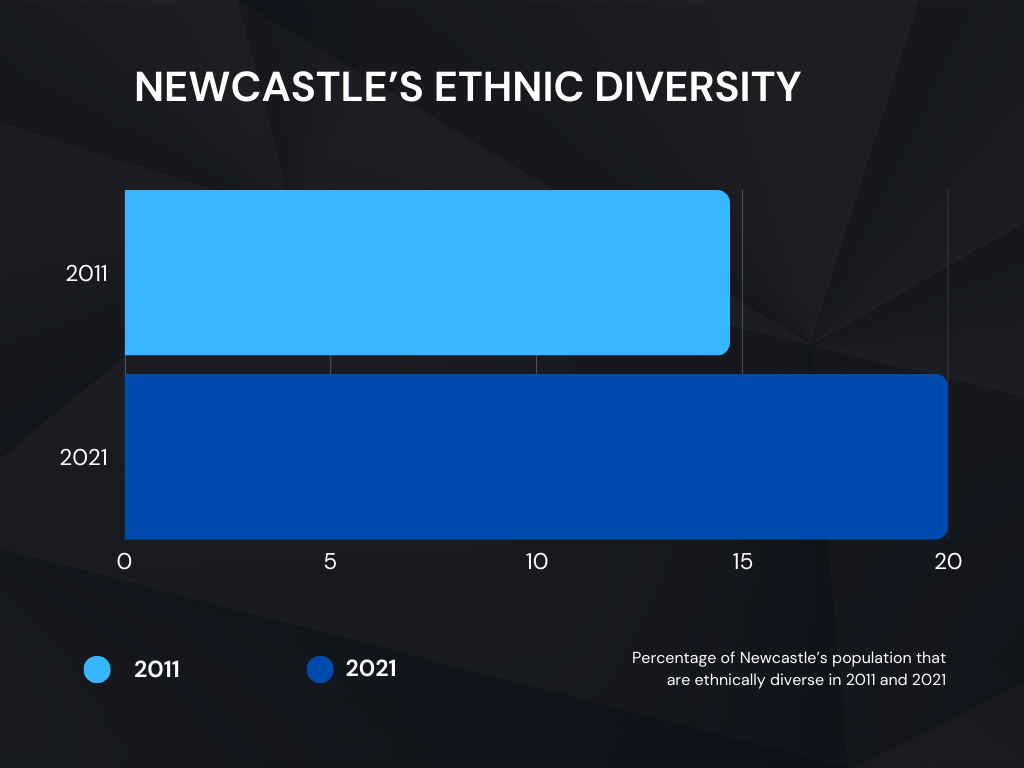
The ethnic population in Newcastle is growing, increasing from 14% to 20% between 2011 and 2021. However that diversity doesn’t always seem to reflect in the mainstream arts landscape, with local rapper Kema Kay, who performed during the MOBO Fringe, explaining that “even though there is a lot of it here, black music and culture is not really highlighted or associated with Newcastle.”
The five-day Fringe festival sought to change that. Held between the 13-17 of February, the festival transformed Newcastle into a hub of cultural celebration. More than 50 community and industry partners were involved to deliver inspiring workshops and performances.
A spokesperson for MOBO explained, “we worked closely with Newcastle City Council and some incredible organisations and our vision was to build something that extended far beyond the awards ceremony itself: encouraging local talent, inspiring the next generation, and giving black art in the North East the platform it deserves”.
Among these organisations were Music Partnership North. Gareth Miller and Georgina Biddle helped to deliver lessons on rap and Black-origin music to children. To them it was pivotal that the children, many of whom were black, were able to see successful musicians that they could look up to.
“We had rappers going into schools where there were a lot of black children, and it was really important for us to bring artists who could act act as role models, people who the kids can look at and think “I can do this”, and be inspired to see that music doesn’t always have to be the common genres.”
What did the MOBO Fringe achieve
The people of Newcastle responded extremely well to the festivals debut appearance in the city, with the MOBO spokesperson explaining that they “heard from many young attendees and participants who felt seen, heard and inspired, which is what MOBO is all about.”
Education was a big aspect of the Fringe, and a major goal was to teach children all about black music. Kema Kay, who hosted workshops during the week, explained the dual goal of educating and embracing. “We explained what music of black origin meant, it was about celebrating and highlighting black culture and music.”
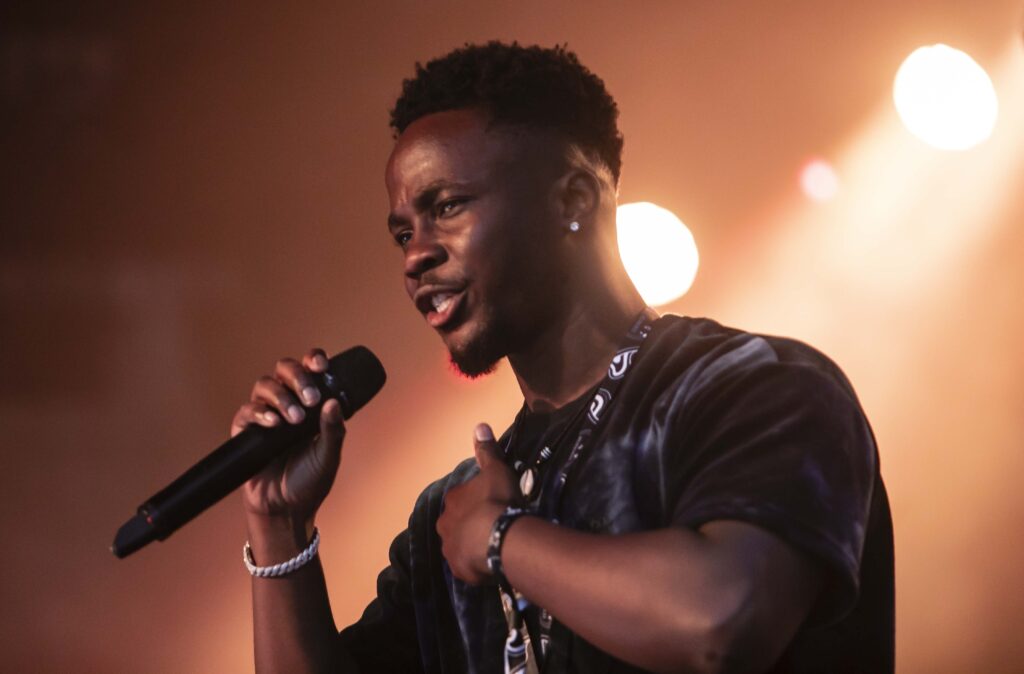
The Fringe was also about providing a platform for black artists based in the region to shine. Lucy Scott, Producer at the Glasshouse said that the exposure of the MOBOs gave local talent the stage that it has deserved.
“It spotlighted the incredible talent that exists right here in Newcastle. It feels like a really exciting time for music in the North East, and the MOBOs has played a huge role in that.”
The MOBOs marked a mixture of celebration and education, a combination that to Rivkala, a local non-black artist, views as crucial.
it’s really important to me to not just to understand, but to really celebrate the history, culture and context of the art and artists that made me want to pursue a creative life. Not just in the historical sense either – but to really shine a spotlight on the music of black origin being made today – and especially in the North East. Our scene might be smaller, but that is no reflection of it’s talent, and it means we’re all quite close.
What is the long-term aim?
The organisers of the MOBOs hope for a legacy in Newcastle as a result of the Fringe’s visit, one that the organisers in the city are keen to retain.
“We want young people growing up in Newcastle to feel that their stories, art and voices belong – and to see themselves reflected in the city’s cultural landscape for years to come”.
For Music Partnership North, it is all about ensuring that lessons in rap and similar music genres that proved so successful, continue. Georgina Miller hopes that they can “continue to broaden what we offer to make it more diverse to reflect the community”, whilst affirming that the council plans to continue the foundations that the MOBO awards have laid down, and are keen for the “legacy to continue”.