
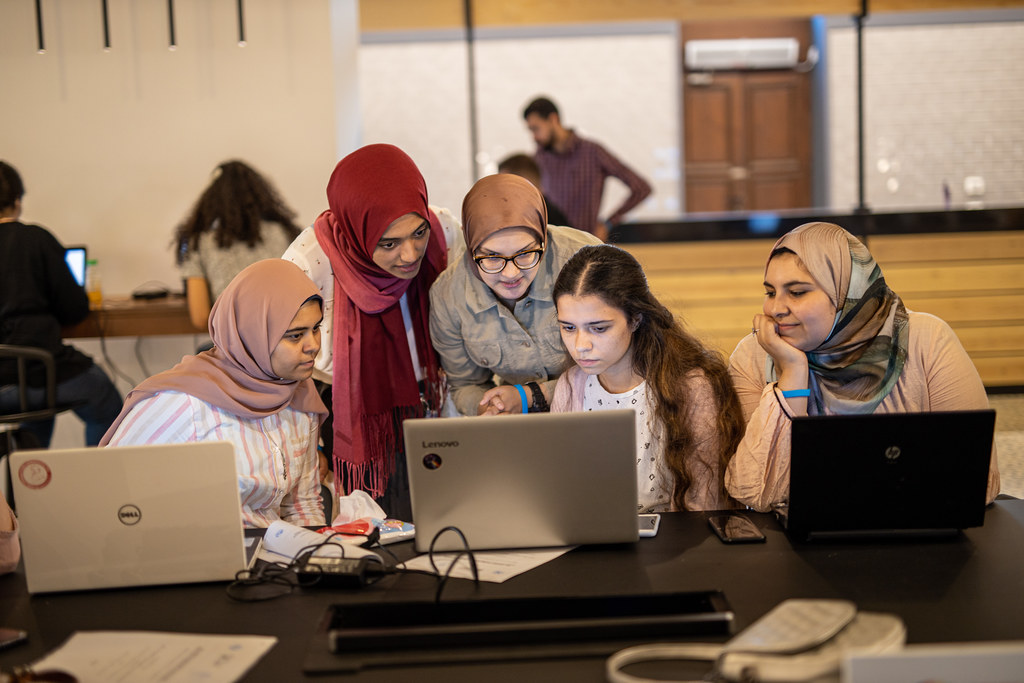
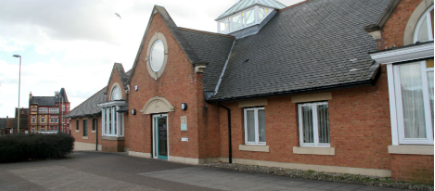
Have you ever heard about women’s help centres? It might be surprising but the number of them existing is rising – and so is the willingness to visit them. The idea behind each one of them can be different but one they all have in common: to help and allowed to be helped. In the Nort East region, many women’s centres are represented in and around Newcastle upon Tyne area. I got the opportunity to visit an organisation called Women’s Health in South Tyneside (WHIST). As small as the building seems, the bigger the impact – and their story.
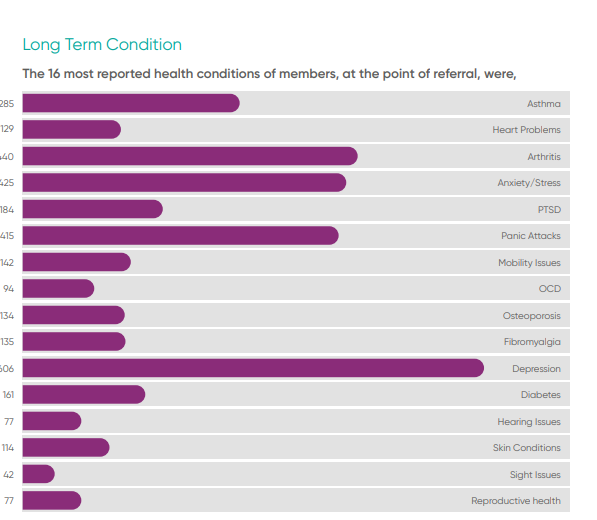
From consultancy and advocacy services to more relaxing classes and activities such as cooking or pilates, WHIST’s capacity to provide support in many aspects is quite remarkable. The focus is on women from all backgrounds, no matter their origin, religion or economic class. This charity aims to cover all the aspects of women’s lives and listen to their feedback to help them improve or renew those activities to effectively support their mental and physical health.
Where does it started
‘The existence of WHIST dates back to 1996 when a group of women had a conference and agreed the women’s health support didn’t meet their need – and started meeting regularly since,‘ says Corainne, the current CEO of South Shields‘ based organisation. The following foundation of a charity led to getting a space – a single office- with a desk and a phone. But since then the story of WHIST rapidly turned on as Corainne explains further.
In 1980 the Black Report was published that claimed the inequalities between the North and South of the UK were significant in terms of help and health matters. It is no coincidence that the period of the 1980s happened to be a funded time for many community-developing works and projects, including the start of today’s WHIST.
‘The women who helped to found this charity were given spaces in many locations around the South Shields but the building we occupy now became their home and centre since 1999‘, adds Corainne.
Women representation in a community sector
“Things are better today and you can’t really deny that. And women have more opportunities than they used to have in the past – but it’s a work in progress“.
And it’s true. Corainne’s words confirm that the rising number of women employed in Great Britain are up to 72.1% by the end of 2023. The rate also shows that the sectors dominated by women are health and social work (77%) and education (70%). The factual percentage represented by women in the job market correlates with the numbers of actual stratification of females among other job sectors. “If you looked at the community sector, you’ll find a lot of those are female, meanwhile men are more in CEOs positions. And that is interesting – higher up you go with any job, there are more men,“ points Corainne at the jon market structure.
Volunteers are the core
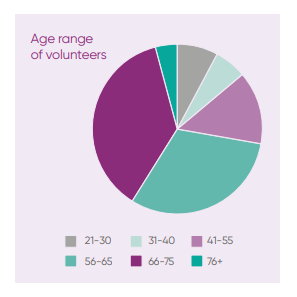
“At the beginning, all of the women founders were volunteers“. And the tradition of WHIST continue until nowadays when the statistics mark about 51 active volunteers involved in more than 6000 hours of work and helping over 700 registered women who sought the help with them.
In other charities, people usually looking for filling certain positions as a staff member and similar. But as Corainne explains, the model in WHIST is a bit different: “When a woman want to volunteer, we looked up to her and say what do you want to do?…“.
The volunteers are not limited by age either, as the only condition remaining is 16+ years old requirement. ‘Working between weekdays, we aspired to have more older volunteers who have it as their regular jobs, as the schedule is not fitting for example to students and those working at universities’.
Safe space is a priority
Help centres for women deal in general with many problems regarding the daily tasks of life and struggles women might face after entering the country as foreigners. But what makes the place located not far from South Shields metro station unique, is the strict policy and primary rule to keep the state of ‚women‘ not just in the name of the charity. ‘We create a safe space for every woman seeking help. That means no men are allowed in the centre. Boys are let in up to the age of 12 if they are a part of a family and the women couldn’t let them alone in the house or similar, but they are not supported in the way we do with women members’, explains Corainne the key rule and way the organisation keep in mind. As she adds later, the reason not to let them be part is also by not interrupting any sessions where the conversation is a core and ‘men or boys presence usually change the energy in the room, similar as in school‘, smiles Corainne.
Location (does not) matters
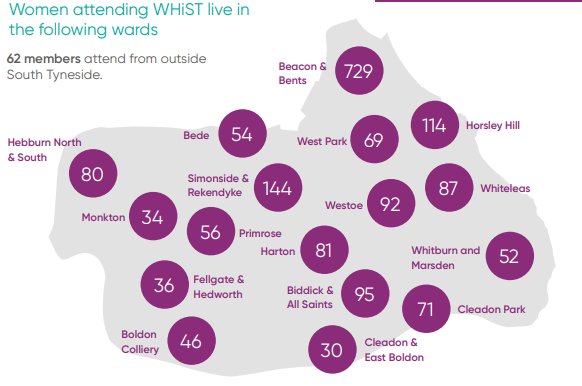
Despite the location of the main building, the area WHIST actively supports is not only the part of town they are in. ‘Supporting women from the whole of South Tyneside became our priority, and some of the members have to make a way to us, buying bus or train tickets, so the journey is not easy. But we try and help as many as we can. And there is always a phone line to call.‘ Moreover, some of the flag projects Whist is involved in are going beyond the standard manners. For example, the cooperation with Apna Ghar and Hospitality and Hope brings the Food Fair project to beat the outcome of poverty and showcase how to prepare easily and cheaply healthy meals for families.
Like the article? Support it with like or comment and stay tuned for the next one!