The digital age has brought significant changes to nearly every aspect of our lives, and if you thought that literature was an exception, you’re wrong. With the rising popularity of the e-readers like the Kindle and the rise of audiobooks as well, many readers are now finding a non-ending library with just one click.
The convenience of carrying thousands of books in a single device has made reading much more accesible for many, but this technological shift has sparkled a debate: Is the rise of e-books helping improve the reading experience, or is it not?
For years, the world of literature has been dominated by physical books, which offer sensory pleasure, something the e-book tries to replicate but always fails to do. While e-books have their benefits, they also come with a set of chanllenges that could potentially change the way we read.
Anyone who has ever read a physicial book knows that the experience is more than just the words on the page: the weight of the book, turning the pages, the scent of newly bought books, etc. They all contribute to making the reading experience unique. For some, the sensation of holding a book offers a personal interaction with the work itself.
I always have the dilemma of whether to read a physical book or my e-book, but I always end up chosing the first option once I see how much I enjoy being able to annotate in the pages of the physical copies.
Books hold sentimental value, whether they’re passed down through generations, displayed on the shelves, or collected as rare editions. The act of reading a physical copy can feel intimate: a physical copy where the reader connect with the author and the character.
Research done by several scientists has shown that physical books could offer cognitive advantages over digital devices. Theses studies suggest that the act of physically turning pages can help with comprehension and retention. The lack of distractions such as no notifications or internet browsing allows the mind to focus only on the text.
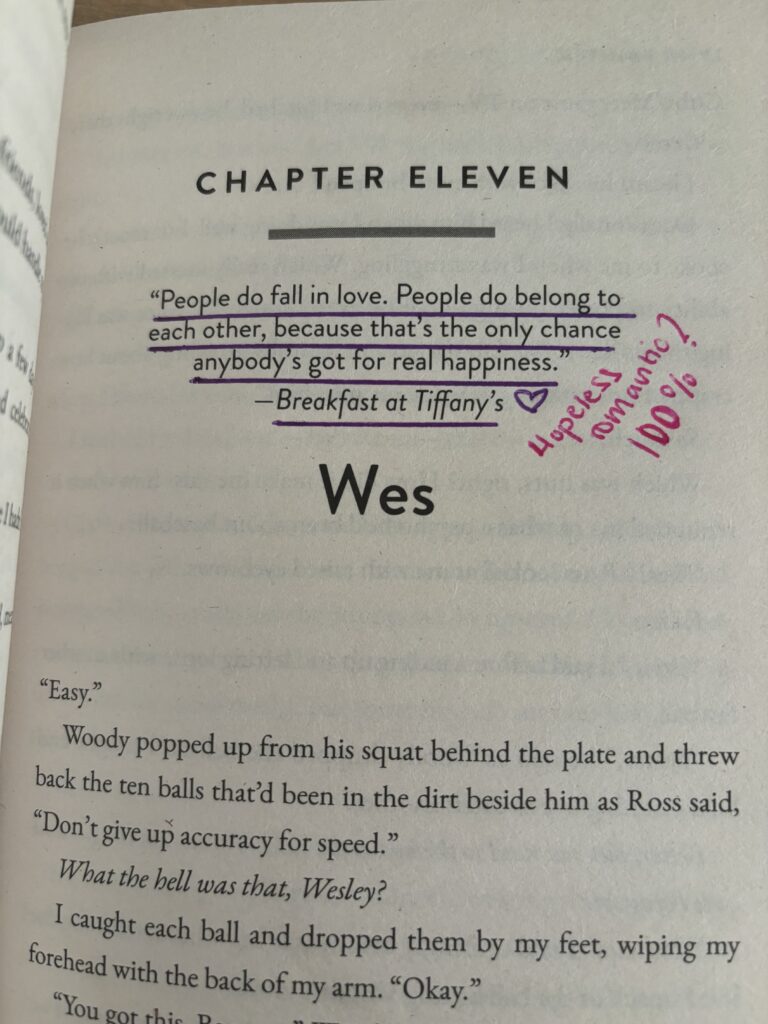
Image Credits: Noelia Fernandez Perez
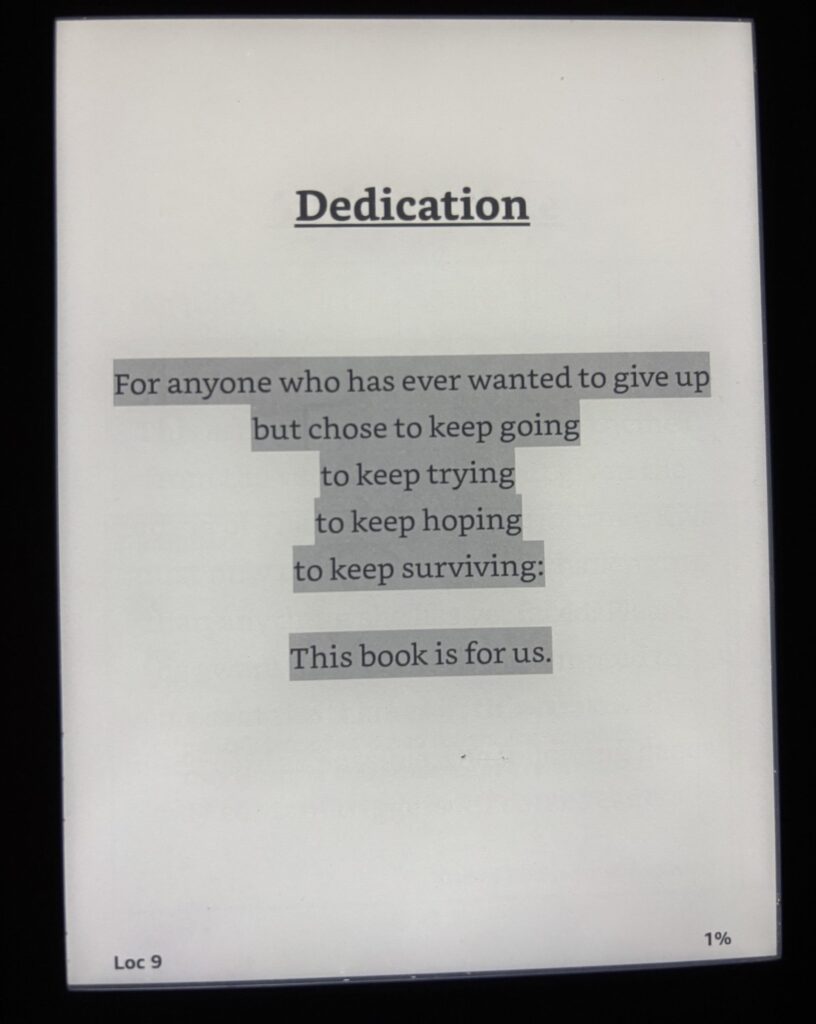
Image Credits: Noelia Fernandez Perez
But while print books have a tactile appeal, e-books offer something entirely different: convenience. The ability to be able to carry thousands of books in a single device has revolutionaised the way we approach reading nowadays. With this devices, we can access a book instantly. The portabilty factor is the most imporant one and it’s what makes them attractive for travelers or anyone who wants to read on the go.
They also offer an unmatched level of accessibility: people with discapacities can adjust it to their neccesities and that’s what makes them popular. Similarly, e-readers can be much lighter and earier to handle than large and bulky books, which can make reading more comfortable for some. In a world were time management is essential, the immediacy of buying a book instantly provides a new level of accesibily for people with tight schedules.
The environmental argument is often cited in favour of e-books. As tres are cut down to produce paper and the energy spent in manufacturing books add to the significant carbon footprint, e-books are considered more eco-friendly.
Nonetheless, the rise of popularity of e-books has created concerns within the community of how this might be changing the way we engage with books and reading. One of the major criticism is that the focus shifts totally from the content to the device. The experience of holding a technological device doesn’t compare to holding a book with your hands and for some it may feel like a barrier to understanding the story as a whole.
Digital books are less personal. They don’t come with histories: you can’t annotate them, you can’t use bookmarks that you made as a child… You can’t make them your own. E-books are isolated experiences, stored in a digital archive with no physical trace.
At the end of the day, it may not be a question of whether print or digital is considered better, but rather on how both can coexist in a modern literature landscape. E-books have made reading more accessible but there is something special about the print experience that will never be recreated by digital books.
Rather than replacing one with the other, we can embrace a hybrid model where both formats coexist and complement each other. E-books are perfect for the on-the-go reading and quick access, while print books remain cherished object for those who love having deeper connections to the text.
The format may change, but the act of engaging with stories remains valuable. The challenge is not about which medium will win and be more popular among readers but how we can ensure that reading is preserved.
I love this! It’s so true that the two can coexist. I personally prefer physical copies of books, but I completely understand the ease of e-books and owning one would definitely save me a lot of money as I buy way too many books that I never end up reading!
One thing that I love about digital books is the price for sure! They’re so much cheaper than physical books but they don’t give the same experience in my opinion.