10 August 2023. BY Xueqi Peng
On 31 March 2023, the Environment Agency (EA), Scottish Environment Protection Agency (SEPA) and Natural Resources Wales (NRW) released annual data revealing the volume of sewage discharges in 2022 across the UK. 301,091 sewage spills were reported in England, 14,008 in Scotland and 74,066 in Wales. Compared to 2021, these numbers are down, but the pollution of our rivers is not to be underestimated.
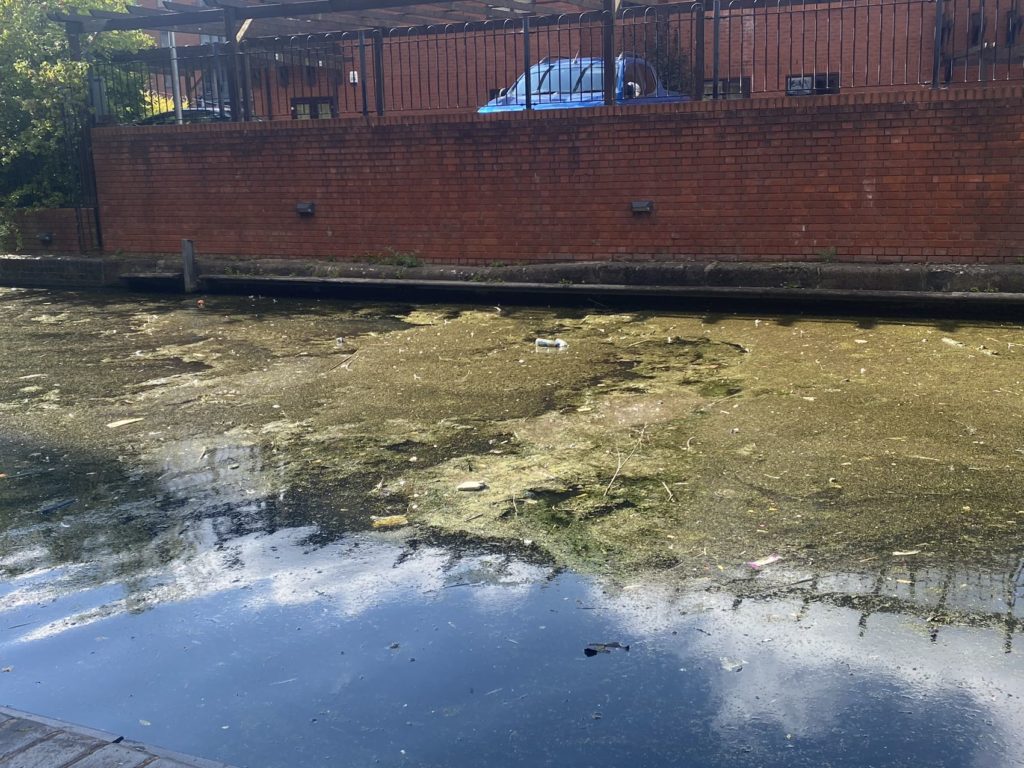
Photo credit: xueqi peng
Amy Slack, Surfers Against Sewage’s Head of Campaigns and Policy said “It’s shocking, but not surprising, that only 14 per cent of our rivers are in good ecological condition and our bathing water now sits at the bottom of the European bathing water quality table. This is simply unacceptable. We must end sewage pollution now.”
The lower Tyne was once heavily polluted. But the decline of heavy industry and regulatory limits on pollutant discharges from the river have led to significant improvements in the quality or ‘health’ of the Tyne. This is particularly evident in the urbanised, tidal reaches of the river. Whilst there has been some improvement, material discharged from former metal mines in the Highlands contains lead, zinc and cadmium, which are highly toxic substances affecting the Tyne and downstream, with the upper reaches currently unaffected.
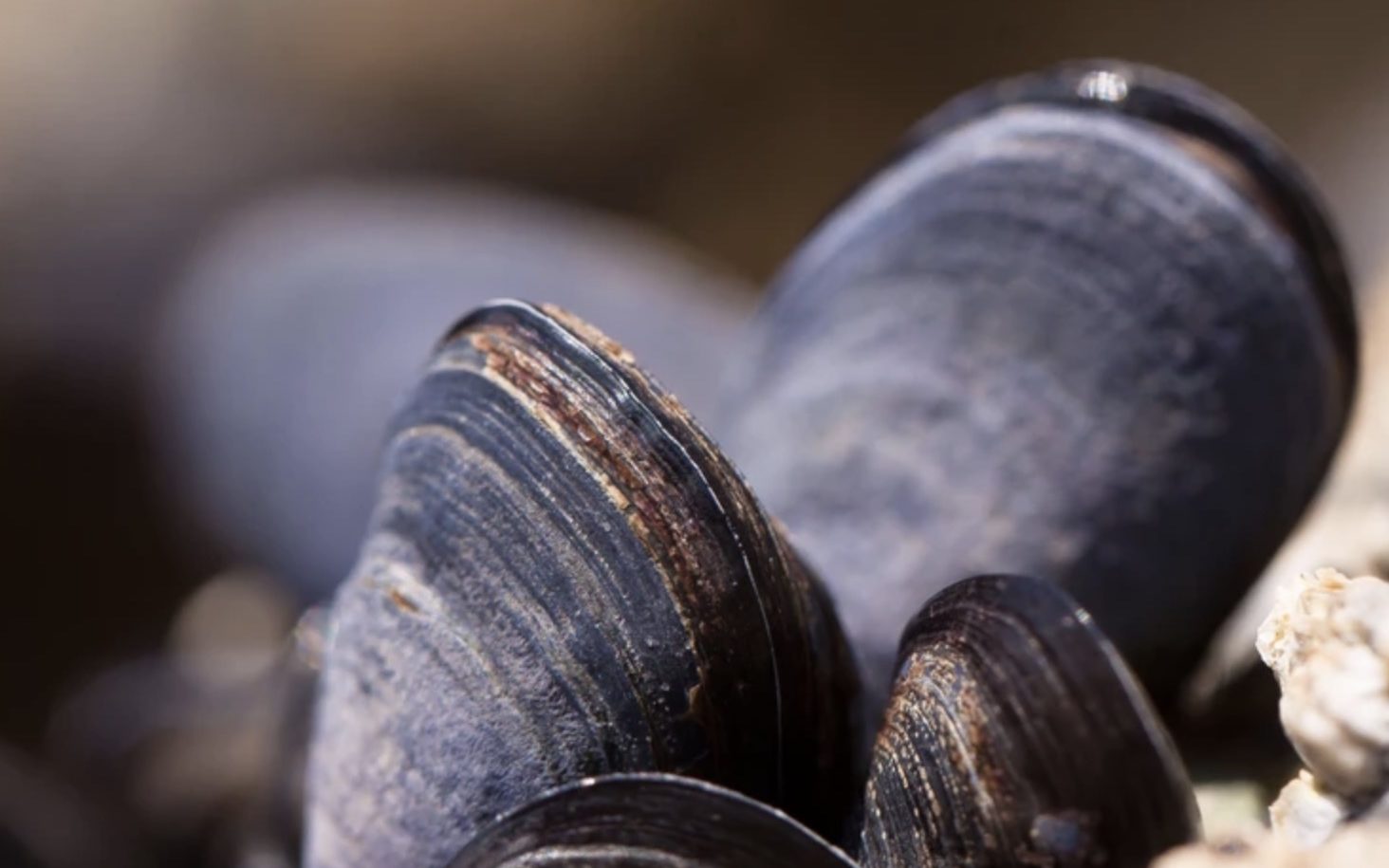
Image source: copyright-free website colourhub me
In addition to the impacts from metal discharges, pollution from agriculture is also significant, with runoff from fields and farm buildings carrying pollutants (soil, fertilisers, slurry) into the river system, and animals entering the river directly causing erosion and bank collapse, which carries fine sediments into the river system. Ms Chloe Hall, Communications Manager at Tyne Trust, said “This situation is already having a detrimental effect on the local ecosystem. Freshwater pearl mussels are a good example. Freshwater pearl mussels occur almost exclusively in Cumbria in the rivers Erne and Tyne and are threatened by a number of factors. They are sensitive to all forms of pollution as they need clean water to survive. They need riverbeds with clean sand and gravel; if there is too much fine sediment in the riverbed they will suffocate and die.”

Photo credit: Chloe Hall
It’s not just freshwater pearl mussels that are affected, it’s particularly a problem for trout and salmon, which need clean gravel to spawn, so pollution from agriculture affects many species and alters the vital balance of natural ecosystems throughout the food chain.
“That’s why we’re working on a variety of erosion siltation projects in key areas to try and support the health of this fragile ecosystem. You will also see areas where fish no longer congregate to spawn because the water has become stagnant or the lack of invertebrates in the water has a knock-on effect on the aquatic life that congregates there.”
“In addition to the Tyne Trust, there is the Clean Tyne Project in the Port of Tyne, the Clean Tyne Group in Hexham, and the local Co-op shop has a “Friends of the Tyne” group. Community groups like Hexham Wombles or Hebburn Litter Pickers have all organised in one way or another to help tackle pollution on the Tyne.”
“This pollution that the Tyne is experiencing does affect water quality issues, but does not affect the safety of drinking water for residents” Chloe added.
This website is part of a student project. While the information on this website has been verified to the best of our abilities, we cannot guarantee that there are no mistakes or errors.
The material on this site is given for general information only and does not constitute professional advice.
The views expressed through this site are those of the individual contributors and not those of the website owner. We are not responsible for the content of external sites.