By Xinyu Wang
Image credit: Screenshot from NHS website
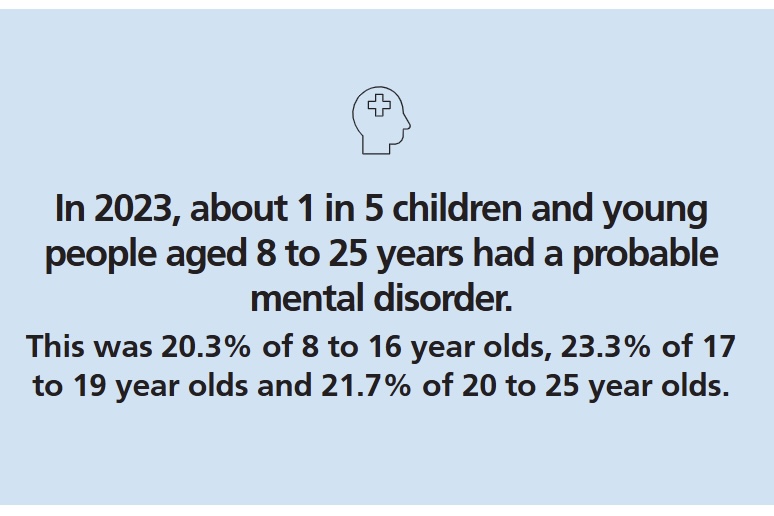
In recent years, there has been a significant rise in the incidence of mental health problems among young people in the UK. This has caused widespread concern and worry in the community. According to official figures from NHS Digital in 2023, around one in five young people aged 8 to 25 face a possible mental disorder. That proportion has risen sharply in the past few years.
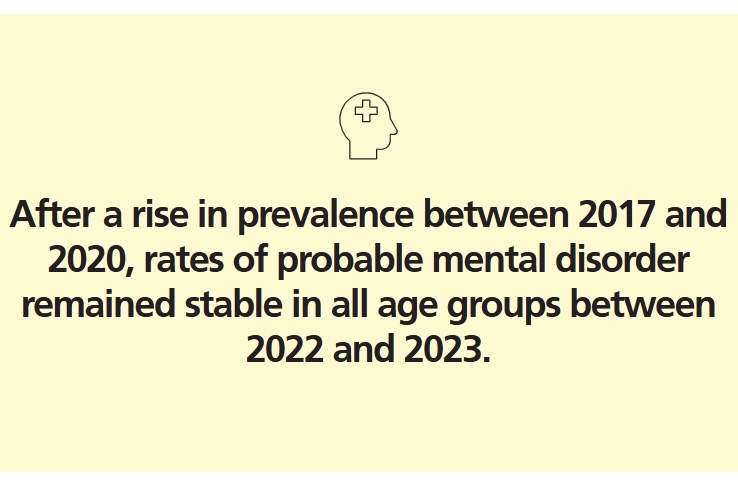
Image credit: Screenshot from NHS website
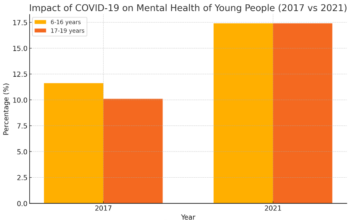
According to NHS Digital, around 20.3 per cent of children aged 8 to 16, 23.3 per cent of 17 to 19 year olds and 21.7 per cent of 20 to 25 year olds are considered to have a possible mental disorder in 2023. This figure represents a significant increase from the findings of the 2017 survey, which showed that 16.9 per cent of 17 to 19 year olds had a possible mental disorder and 11.2 per cent of 5 to 15 year olds had a mental disorder. This rising trend demonstrates the deterioration in the mental health of children and young people in the UK in recent years. Mental health issues need more attention.
According to the Office for National Statistics, 31 per cent of young women aged 16 to 24 reported symptoms of depression or anxiety in 2020. This percentage was 26 per cent in the previous year. This data suggests that mental health problems are on the rise significantly among young women in this age group.
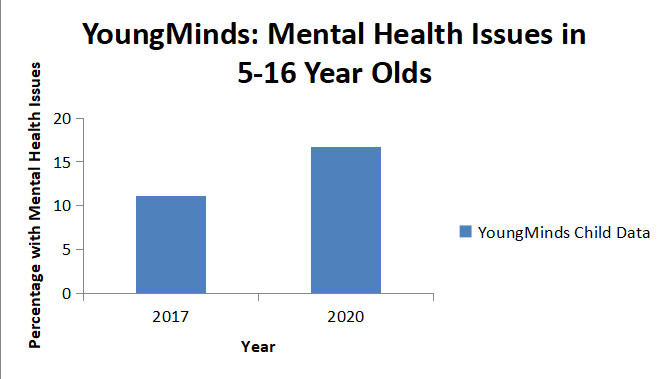
Chart source: Xinyu Wang
The YoungMinds report also states that between 2017 and 2020, the proportion of children aged 5 to 16 who have a mental health problem increases from 1 in 9 to 1 in 6 . This further suggests that mental health problems are not only prevalent amongst young people, but are also increasing amongst younger children.
The figures show that mental health issues among UK children and young people are rising and widespread across all ages and socioeconomic backgrounds. These problems affect individual quality of life and have a significant societal impact, making timely detection and intervention crucial for both individual and societal well-being.
Next, we spoke to a Newcastle University psychology professor. To further explore the importance of young people’s mental health issues and how young people should seek help.
Next, we talk to Barbara Henderson, a tutor at Newcastle University. Discuss with her the responsibility of schools and teachers to support students’ mental health.
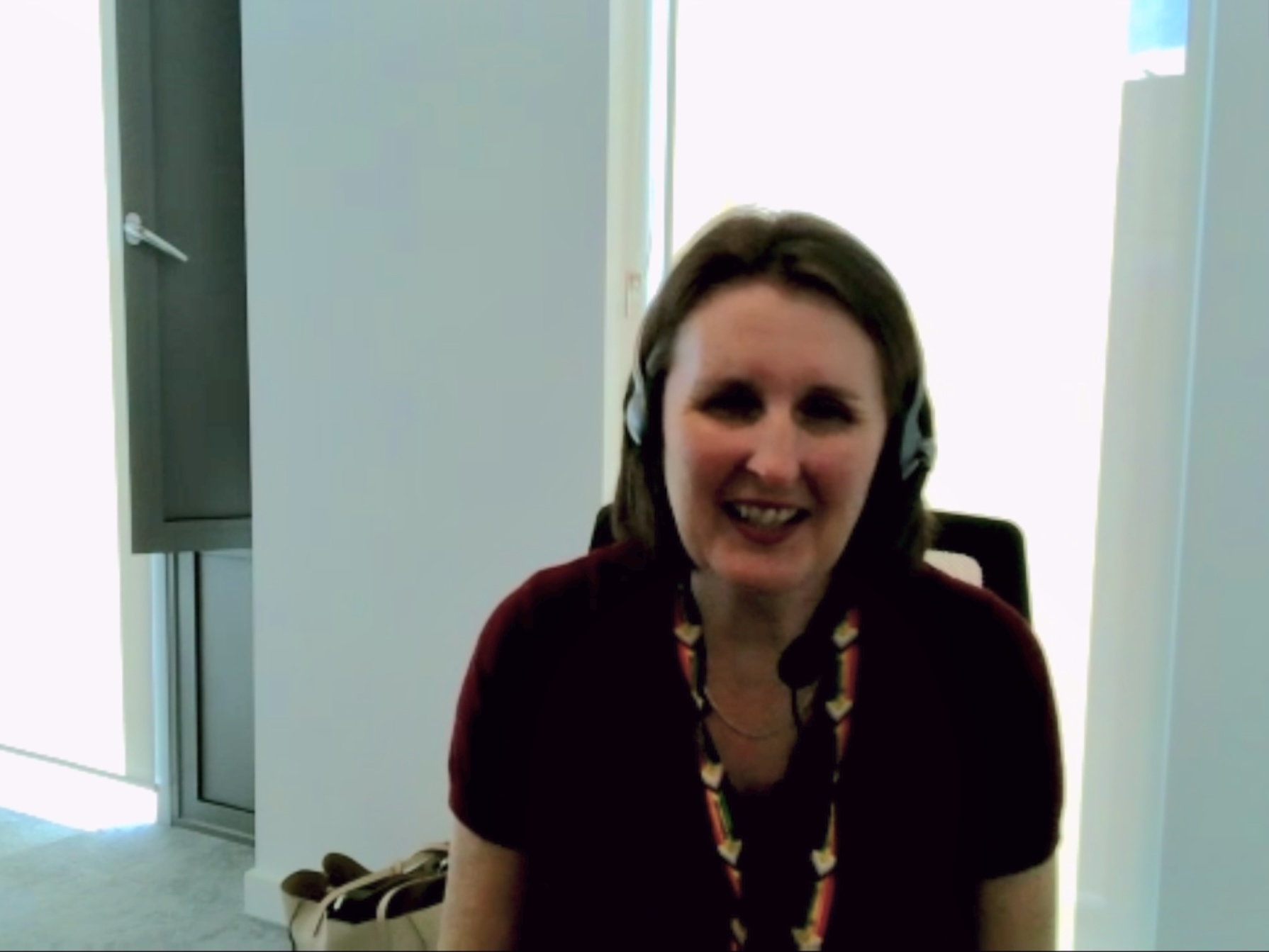
As a tutor, Barbara has frequent contact with students and a deep understanding of their mental health. In the interview, she noted that schools and teachers have a growing responsibility to support students’ mental health. She stressed that schools should provide more mental health resources for students that are easily accessible and do not need to be identified when they need them.

“Don’t be afraid to approach students. Be attentive to them and ask if everything is going well and if they need help.” she said.
In addition, Barbara also mentioned that communication between teachers and students is crucial. She suggested that teachers pay more attention to students’ emotional changes in daily teaching. Take the initiative to build a trusting relationship with students so that students can feel safe and willing to seek help when they encounter psychological problems.
With mental health problems among young people in the UK on the rise, the role of schools and teachers is becoming even more important. By providing adequate resources and establishing effective communication channels, schools and teachers can play a key role in supporting students’ mental health and helping them better cope with psychological challenges.