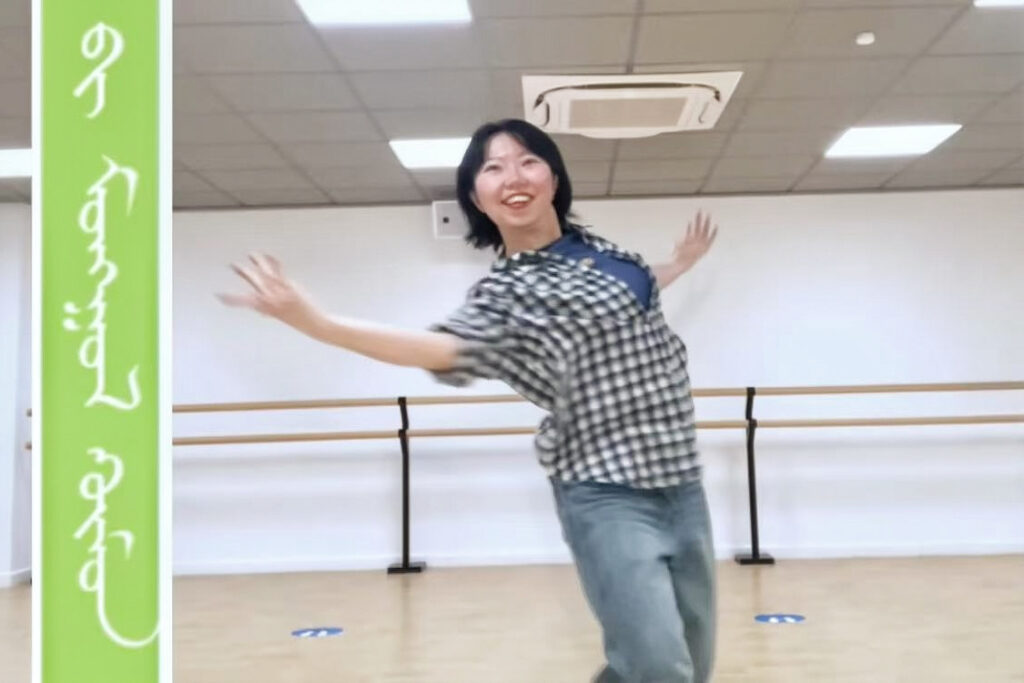
The pounding of drums echoed across the stage. Rina Su, president of Newcastle University’s Chinese Dance Society, swept her wide sleeves through the air, her steps sharp and forceful. These moves, often seen as the domain of male dancers in Mongolian dance, looked just as free and powerful in her performance. In the audience, some whispered:“Is that a woman?”
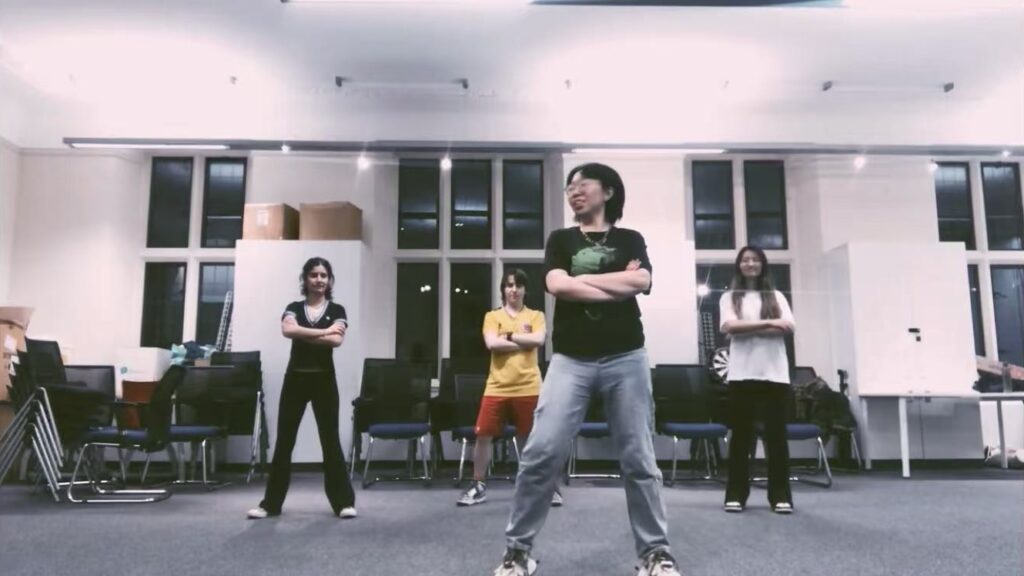
In the dance world, gender stereotypes remain deeply rooted. According to a report from Voice Magazine, gender roles in dance remain deeply ingrained: male dancers are often assigned high jumps and lifts, while female dancers are expected to perform graceful spins and maintain elegant lines.
The ‘Graceful’ and the ‘Powerful’: Gender Labels on Stage
Rina Su’s dance moves are sharp and powerful, a style often classified as “male” had become her signature. “I always try to do male styles. People love it,” she said with a smile.
However, this choice is not always accepted. “I prefer the men’s movements. But I was expected to do the female movements sometimes.”
In the eyes of many, Chinese dance is often labeled as “gentle” and “feminine.” Rina responded, “I know these labels exist, but honestly they just put limits on how we can express ourselves in dance.”
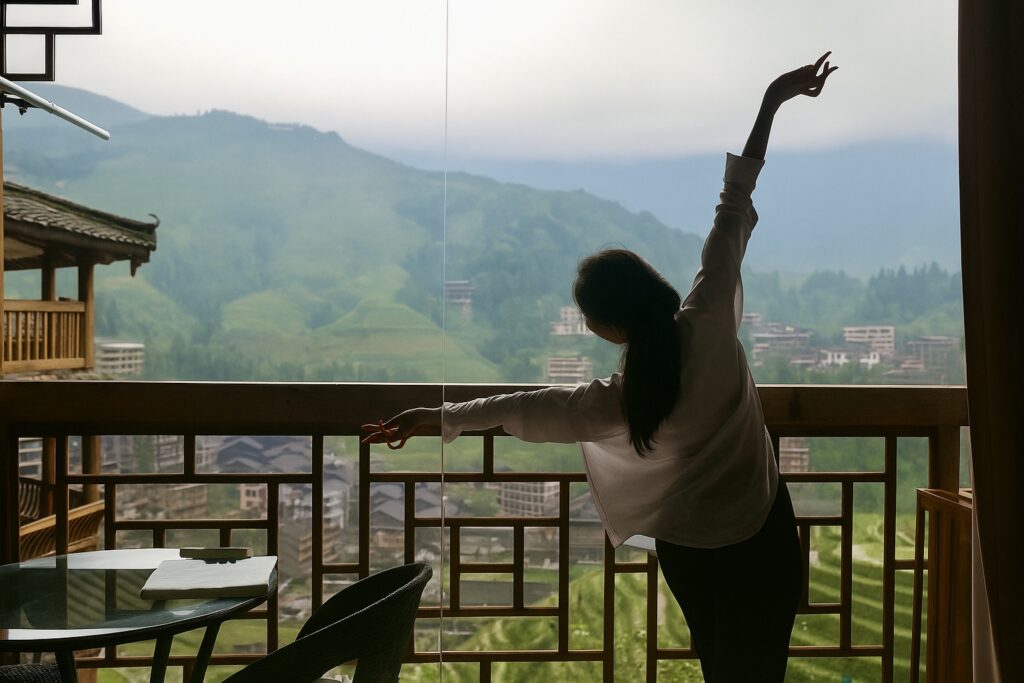
This gendered division of labour in dance extends beyond the stage and into the backstage. According to a study published on Medium, men dominate ballet choreography, highlighting the reality that directorial and creative roles are still predominantly held by men.
Ballet dancer Qianli Hua has noticed the same issue: “There are more female dancers in ballet, so competition is fiercer,” she said.
“This puts stricter demands on female leads, not just in terms of skill but also appearance. A very capable female dancer once missed her chance to perform simply because her calves were slightly larger than others.”
Qianli believes breaking gender bias requires giving female choreographers more opportunities behind the scenes.
“On stage, dancers should just do what they’re good at and what they can create, not be limited by whether they’re male or female.”
–Qianli Hua
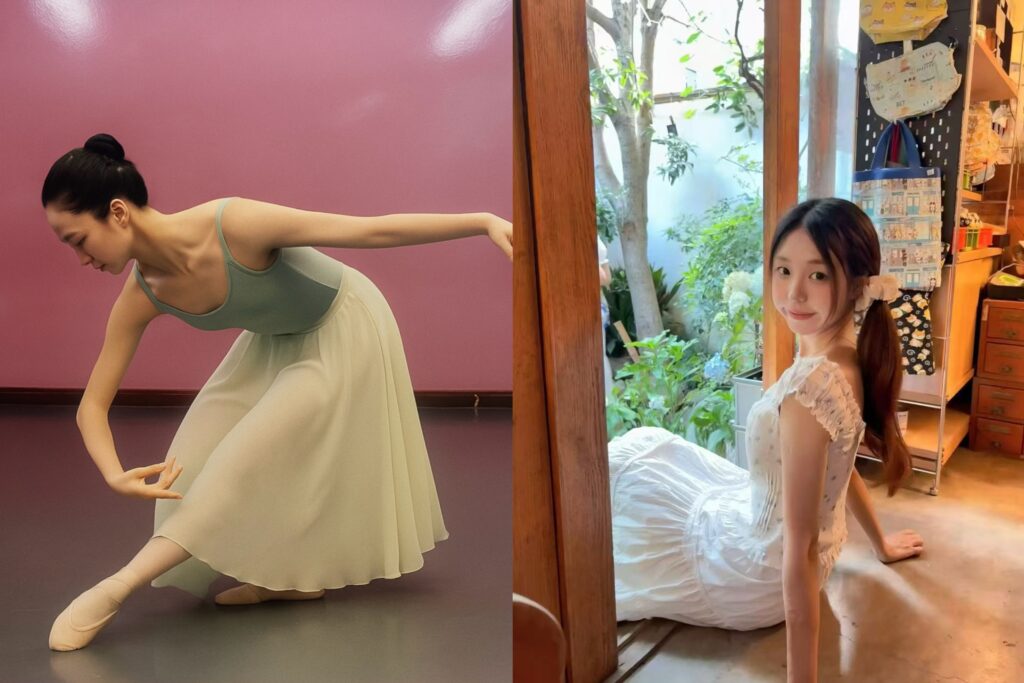
Photo courtesy of Qianli Hua.
When Dancers Switch Roles
In dance, male dancers face pressure from gender stereotypes, with soft and delicate movements often seen as “unmasculine,” limiting their choices and creativity.
In the view of Hip-hop dancer Zidong Chen, soft or delicate movements do not necessarily indicate a lack of strength. However, he admits that men who try these styles are subject to some prejudice.
He said, “In some dance circles, male dancers performing jazz or K-pop girl group choreography are easily labeled as gay, even though this association itself is a stereotype.”
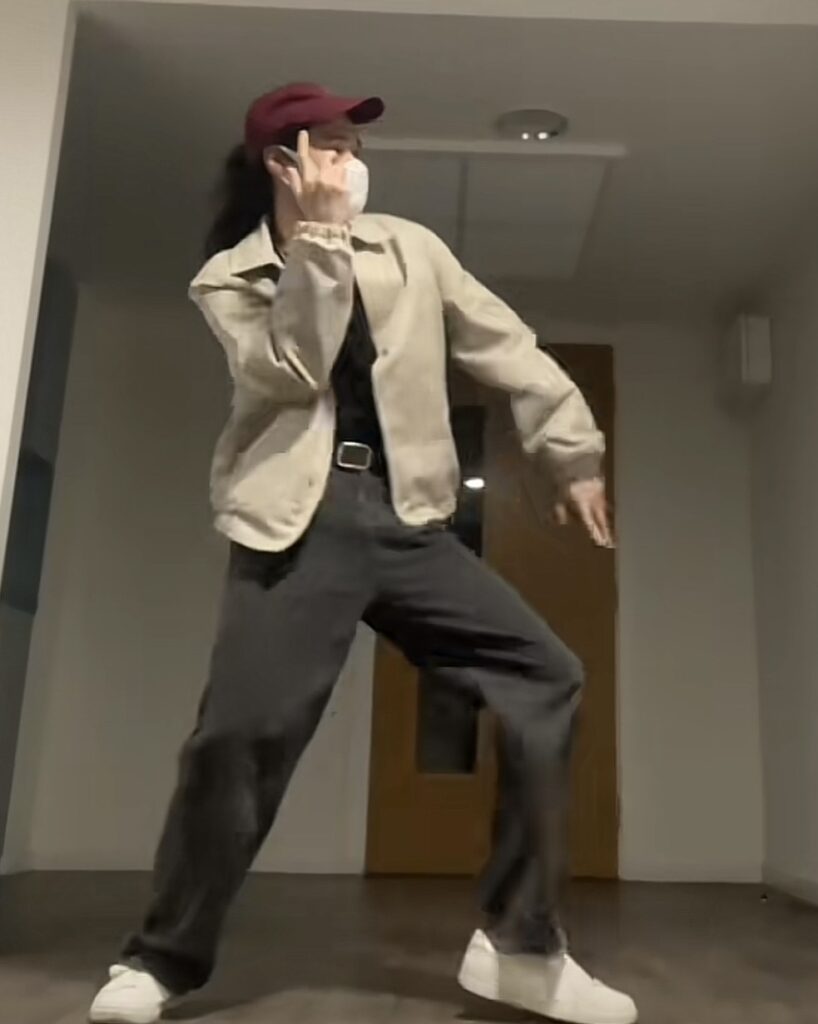
(Photo courtesy of Zidong Chen)
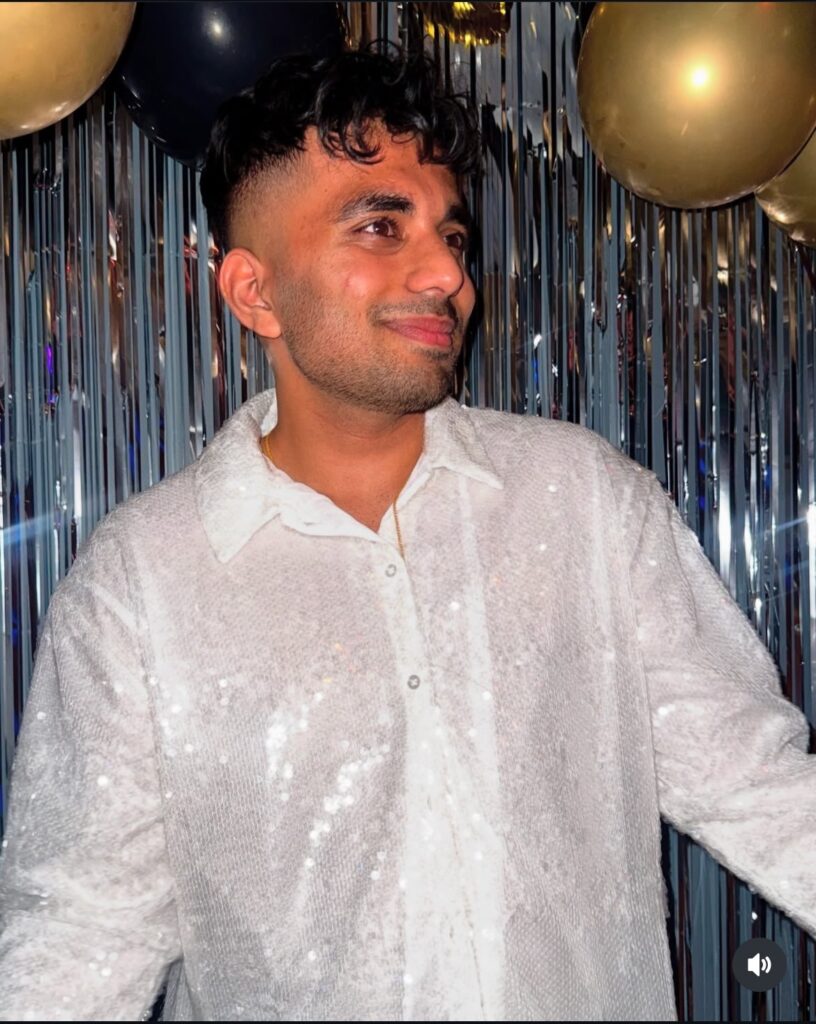
Sourabh Belgal, a dancer of Bachata, which is a style of Latin dance, has had similar experiences. During a Greek dance event, he invited a male lead dancer to dance with him, but was rudely rejected.
Sourabh said, “The stereotypes are that if men follow, they are not showing masculinity. It’s such a big problem in Bachata right now.”
However, Sourabh challenged these biases by taking a “Lady Styling” class three months after teaching himself to dance, saying, “Many people say I’m one of the top three followers in Newcastle. Switching roles helps me grow and fosters more creativity on the dance floor.”
Breaking Boundaries: The Future of Gender in Dance
In recent years, as dance has continued to evolve, dance trends have become increasingly inclusive.
Sourabh Belgal pointed out, “The modern Bachata dance style has evolved from Dominican traditional to modern to sensual, though the styles vary widely, this inclusivity is subjective, at least in my view, it has improved.”
He also emphasized that such issues require a change in mindset, “Maybe instructors can stress in class that it’s perfectly fine to lead or follow, and over time, it will become accepted.”
Young dancers are increasingly calling for everyone to try the styles they enjoy, without being confined by traditional role assignments.
Qianli emphasises that casting and recruitment should prioritise ability and creativity, “Dancers should do what they’re good at and what they can create, without being limited by whether they are male or female.”
Sourabh and Qianli’s perspectives both highlight that, whether in stage performances or teaching roles, professional skills should be prioritised, allowing everyone to maximise their potential in dance.
When dance breaks free from gender boundaries, every dancer can explore greater creative and expressive possibilities, making the stage more diverse and inclusive. These efforts make dance more diverse and free, allowing every dancer to explore their own potential on stage.
“Dance belongs to anyone who dares to try.”
– Sourabh Belgal
In today’s world, where gender biases are gradually being broken down, the future of dance is being reshaped, one that is both creative and more inclusive.
This website is part of a student project. While the information on this website has been verified to the best of our abilities, we cannot guarantee that there are no mistakes or errors.
The material on this site is given for general information only and does not constitute professional advice.
The views expressed through this site are those of the individual contributors and not those of the website owner. We are not responsible for the content of external sites.





1 Comment
Wynda
(18 August 2025 - 01:14)Respect to those challenging old norms and creating space for all dancers.