From skyrocketing vet bills to the rise of smart feeders, pet owners in the UK are navigating a rapidly changing landscape. Rising costs are reshaping decisions about animal care, while technology promises convenience and even companionship — but can digital solutions really replace the bond with a real pet?

Pet owner with her dog at a UK vet clinic, illustrating rising veterinary costs.
Credit:Image by prostock-studio on Freepik (Free-to-use)
The Rising Costs of Pet Care
For many UK pet owners, vet bills are one of the most significant and fastest-rising expenses. Clare Gebhard, who has owned boxer dogs for over a decade, has seen consultation fees at her local vet surge from around £34 to £50 in just a few years. While her current dog is generally healthy, recent experiences — including the removal of a potentially malignant tumour — have made her more aware of the cost implications behind each decision.
“I’d like to see a shift away from prescribing unnecessary treatments,” she says, referring to chemical flea and worming medications often recommended as routine. “If the pet doesn’t have fleas, it doesn’t need a flea treatment. It’s not in the best interest of pets, the environment, or owners’ wallets.”

Credit: Clare Gebhard
Her concerns are echoed by other owners. According to the British Veterinary Association, vet fees in the UK have risen by an average of 12% in the past two years, partly due to higher costs of medical supplies and staffing shortages. Pet insurance, while providing some protection against sudden expenses, has also increased in price — with the Association of British Insurers reporting an average annual premium of £327 in 2024.
Some owners are adjusting by seeking alternative care providers, spacing out non-essential treatments, or relying on preventative health checks. Others are exploring technology to help manage care more efficiently.
From Cost Pressures to Digital Solutions
One such pet owner is Lois Lu, who has experimented with smart pet care devices. “I’ve used an automatic feeder before, mainly because I’m not always at home. It’s convenient, but sometimes it malfunctions, so I only use it when I’m away for longer periods,” she explains.

Close-up of an automatic feeder, symbolizing technological solutions in pet care.
Credit:Generic pet feeder image (royalty-free source)
While Lois appreciates the time-saving benefits, she also recognises that devices can’t replace the emotional bond of a real animal. “I used to play with Tamagotchi as a kid — it felt a bit like companionship, but you can’t actually cuddle a digital pet.”
The UK’s pet technology market is growing rapidly. According to research by Mintel, sales of smart pet products — from feeders and GPS collars to health-monitoring wearables — grew by 22% in 2023, fuelled by younger, tech-savvy owners.
Still, not all tech is without controversy. Animal welfare advocates have raised concerns about whether automation might reduce human–animal interaction. For some owners, however, tech serves as a valuable complement rather than a replacement. “If the technology becomes advanced enough to replicate realistic companionship, maybe it could replace real pets for some people,” Lois says. “But for me, nothing can truly replace a real pet — they’re kind of like your own children.”
A Changing Relationship with Our Pets
Whether through managing rising costs or integrating smart devices into daily routines, pet ownership in the UK is evolving. Economic pressures are forcing owners to be more selective about treatments and purchases, while technology offers new ways to care for animals — and new ethical questions about the future of companionship.
For Clare, the focus remains on responsible, cost-conscious care. For Lois, technology provides support but never substitutes the real thing. Together, their experiences reflect a wider truth: the future of pet ownership will likely require balancing financial realities with the enduring emotional value pets bring to our lives.
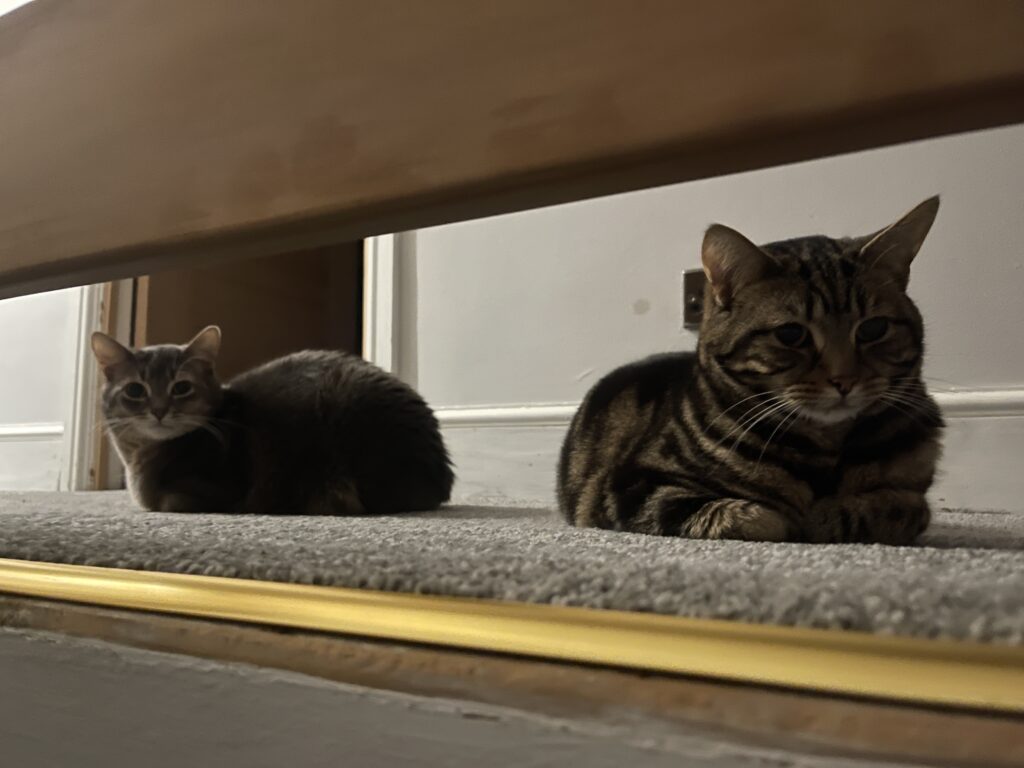

Credit: Lois Lu
DISCLAIMER:https://journalists.org.uk/disclaimer/