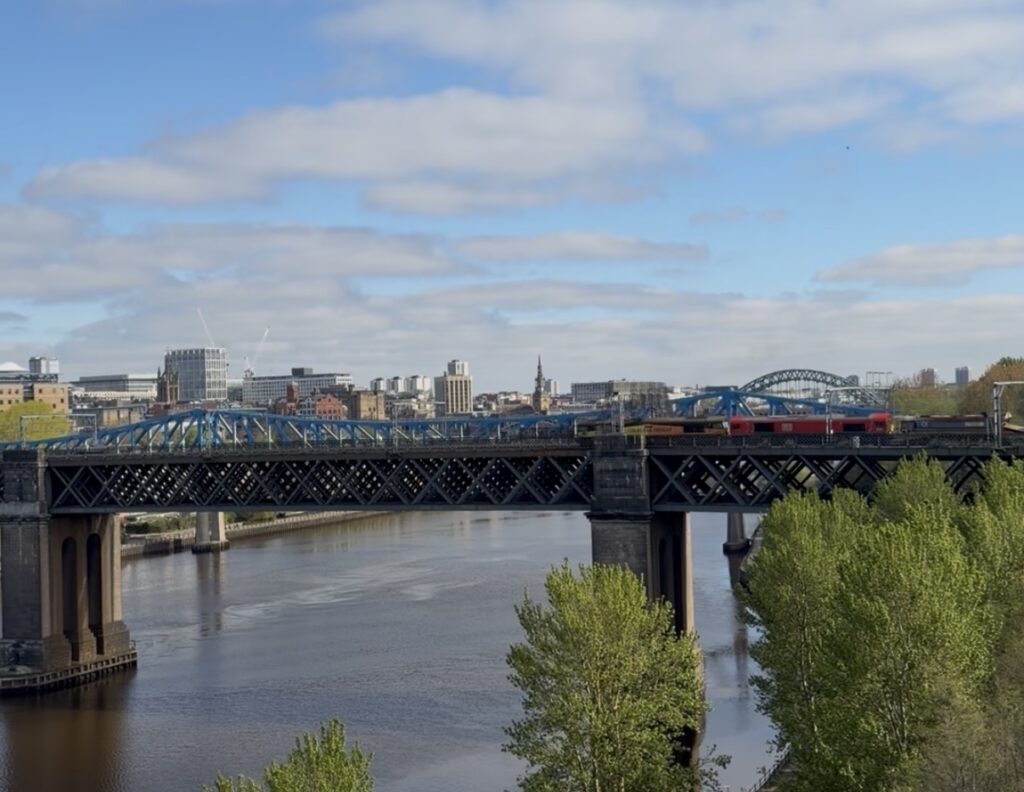
The River Tyne. Photo Credit - Layla Rees
Inside the Gateshead Quays regeneration: delays, rising costs and and questions around a new arena
A long-promised transformation of Gateshead Quays has yet to materialise, years after plans for a major regeneration project were first announced. Construction on the site has still not begun, leaving a largely undeveloped stretch of land adjacent to Gateshead College, between the The Glasshouse International Centre for Music and the Baltic Centre for Contemporary Art.
Initially framed as a flagship development for the region – centred around a new arena, conference centre and hospitality venues – the project has since been shaped by delays, rising costs, and ongoing uncertainty over private investment.
Plans for Gateshead Quays were announced by the borough’s council eight years ago. The regeneration project was to include a 12,500- capacity arena, hotels, restaurants, a conference centre and public spaces. Designed for major concerts, touring acts and large-scale events, if delivered, the proposed arena would be the first large-scale indoor venue of its kind in Gateshead. The only similar venue of this size can be found across the river in Newcastle, at the Utilita arena.
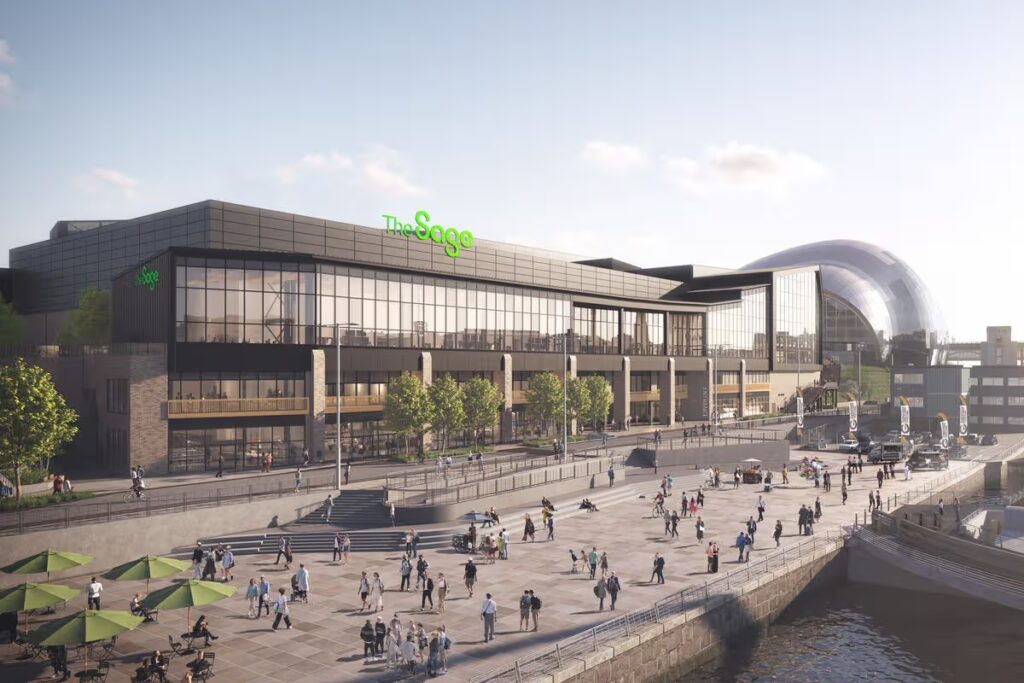
While Gateshead is already home to major cultural venues such as the The Glasshouse – an architecturally distinctive concert hall on the banks of the River Tyne, and the Baltic, a former flour mill converted into an art gallery, neither operate as a large-scale, multi-purpose arena.
This project forms part of a wider regeneration of the Quayside that began in the 1990s. Transforming former industrial land into a cultural and leisure destination, through developments on Gateshead Quays. The new arena is supposedly the next phase of this long-term revamp, which has been on-going for nearly four decades.
One of the earliest developments was The Millennium Bridge. Opening in 2001, the pedestrian bridge that resembles a ‘blinking eye’, symbolically links Newcastle and Gateshead.
While in the early 2000’s the regeneration was moving at a fast pace, with completion of projects only being a few years apart, the most recent plans are taking a lot longer to materialise. The timeline below outlines the key stages of its progression.
2018 – Plans announced
The Gateshead Quays regeneration was first unveiled, with proposals including a new arena, hotels and public space along the riverside.
2021–2023 – Expected start period missed
Construction was originally expected to begin during this period, but delays and rising costs pushed the project back.
2023 – Costs increase significantly
Estimated costs rose to more than £350m, raising questions about affordability and delivery timelines.
2025 – Project review launched
The scheme underwent further review as discussions continued over funding and viability.
2026 – £24 million funding confirmed
A £24m package was approved for enabling works, however full construction still depends on private investment decisions.
Although the additional £24m is a positive step, the funding will be spent on site preparation, including making the contaminated ground ready for development. Speaking on the rising costs and concerns regarding the project, Councillor Densie Robson said,
“The UK economy has been affected by a series of shocks: Covid and its aftermath; the Liz Truss mini budget; the war in Ukraine and now the war in the Middle East.”
She added, “Where widespread uncertainty is triggered, affecting business confidence in the future, private sector investment tends to be cautious, rather than bold. The cost of raw materials has soared, and we have a shortage of construction workers in the UK,”.
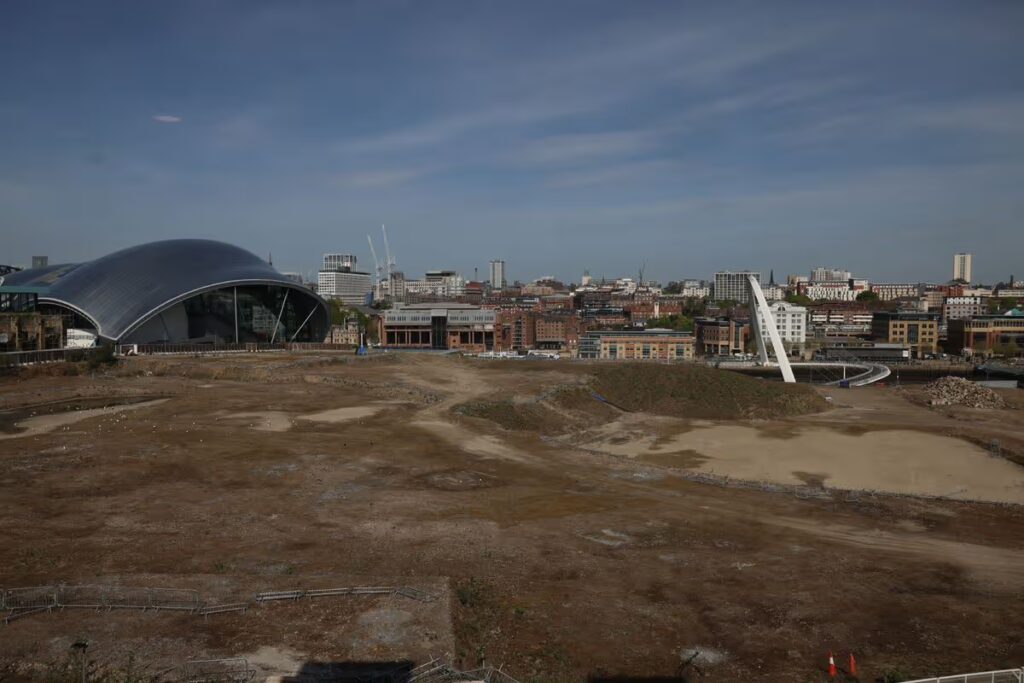
The original cost was an estimated £260m, which has now risen to more than £350m. With no confirmed start date to build, it remains unclear if these financial pressures will impact the construction of a new arena in Gateshead.
The region already has a major indoor arena, the Utilita Arena Newcastle, which opened in 1995. The venue has undergone several rebrands, operating as the Telewest Arena (1997), the Metro Radio Arena (2004), and since 2019, the Utilita Arena.
Widely regarded as the North East’s primary venue for large-scale live events, it has a capacity of around 11,000 people. The proposed new Gateshead Quays arena – originally intended to replace the Utilita – would exceed this, with a planned capacity of 12,500.
However, it is now unclear whether the two venues could coexist on opposite sides of the River Tyne. In December last year, Legends Global, which operates the Utilita Arena, announced a £65 million investment to refurbish the ageing venue – an indication that it is not preparing for closure.
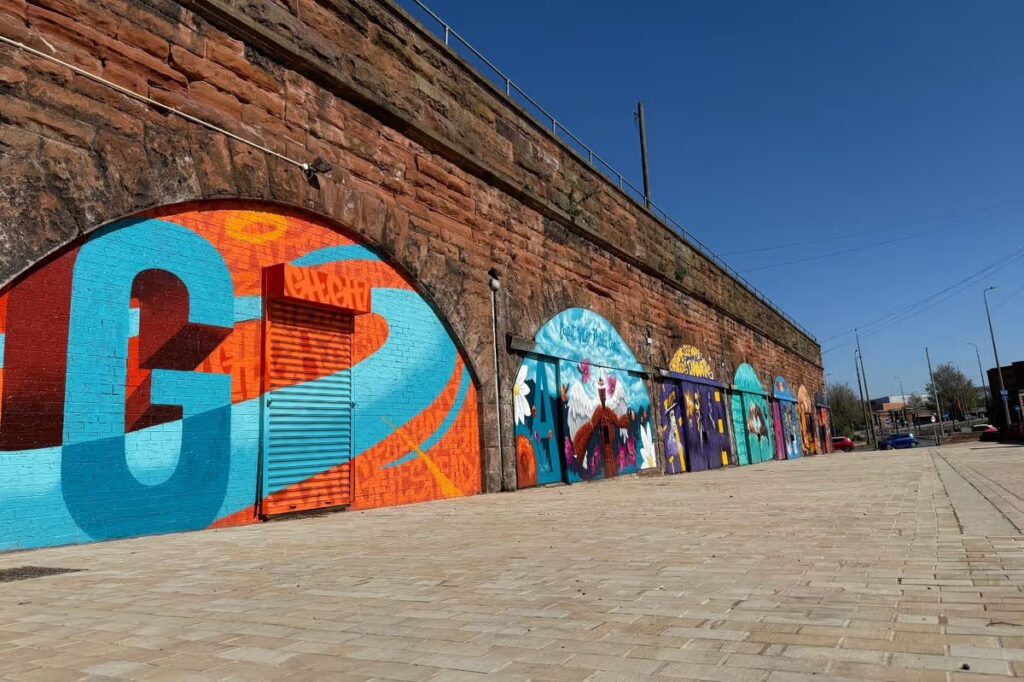
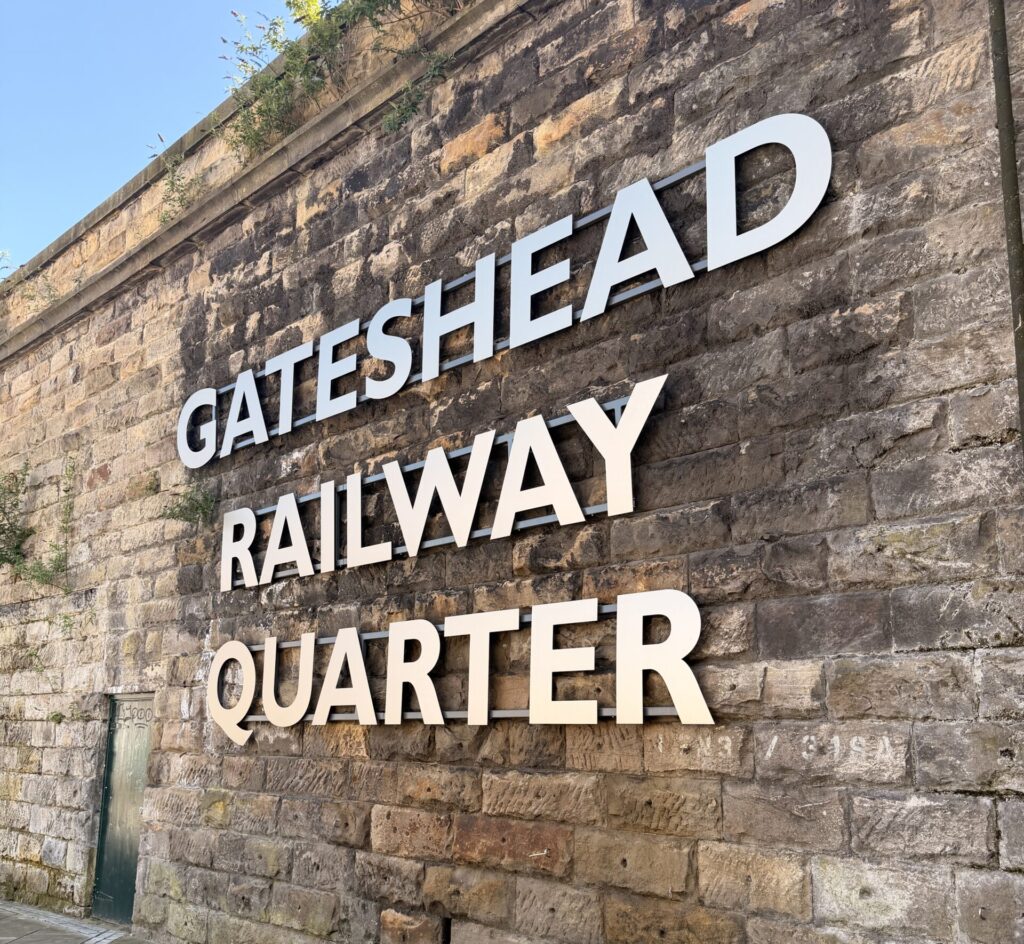
While progress on the main site remains limited, other smaller schemes are moving ahead. Gateshead’s Railway Quarter has been recently developed and includes pubs, shops and a brewery. May 2026 marks the launch of a new pop-up events space in the quarter, featuring artwork from local mural and graffiti artist MarkOne87.
As the future of the Gateshead Quays arena remains undecided, the Railway Quarter offers a more immediate example of regeneration in practice – suggesting that transformation is already happening, just not at the scale originally promised.