
By Mengmeng Zhang
Newcastle has long been regarded as a welcoming city, home to several universities, bustling communities and a growing number of people arriving from all over the world. However, adjusting to life in the UK is seldom easy for newcomers. As well as the excitement of new opportunities, many face language barriers, housing problems, employment restrictions and the challenge of establishing a sense of belonging in a foreign culture.
In this situation, the role of local organizations and educational institutions is crucial. Groups such as the Action Foundation and INTO Newcastle University have become important support systems to help people overcome barriers and build confidence as they adapt to city life.
The Challenges of Starting Again
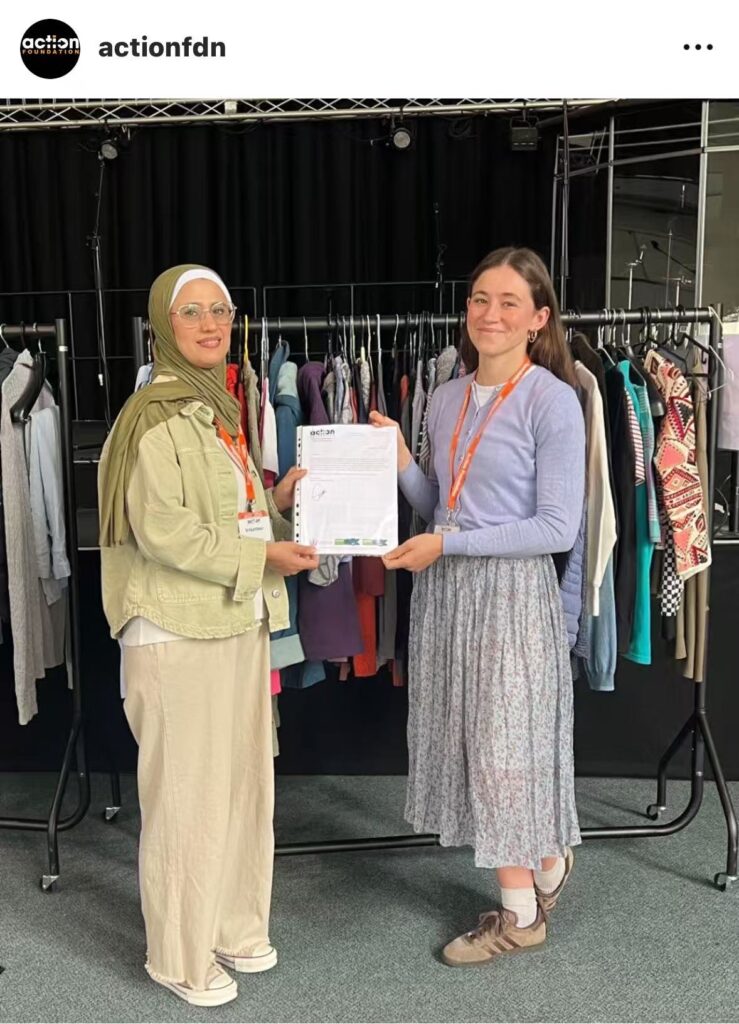
For many newcomers, the first and most immediate barrier is language. “The language barrier comes first, followed by cultural barriers,” explained Celia Bouch the manager of the Action Foundation. She describes how many people have experienced a difficult journey before arriving in the UK, and as a result find themselves with new challenges in getting access to housing, healthcare or education. The restrictions on employment in the asylum process also create additional barriers, often preventing people from utilizing their skills and qualifications, which has an impact on their mental health and well-being.
(credit: Action Foundation)
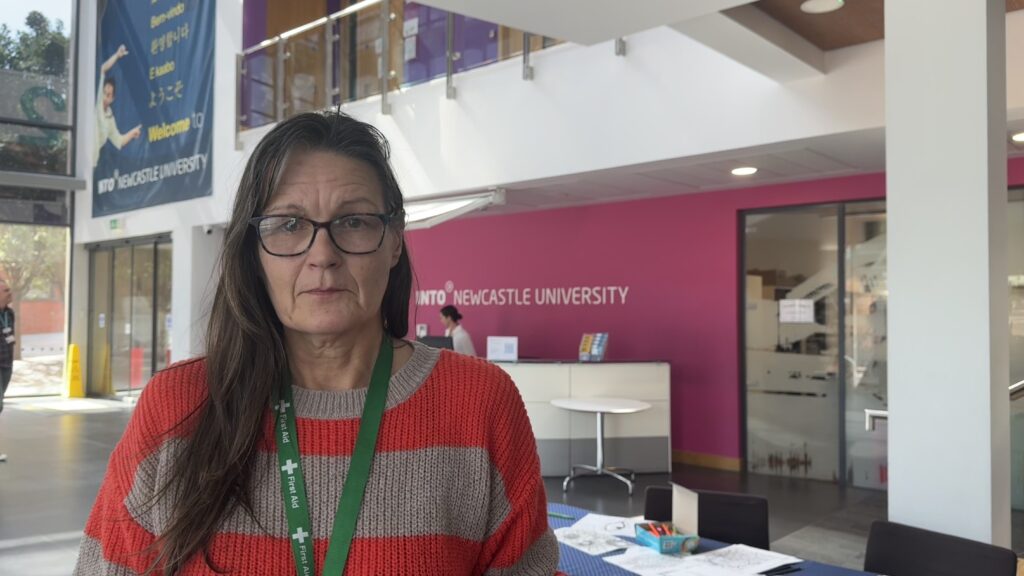
These challenges are echoed in the experiences of international students. Helen Cattan, a teacher at INTO Newcastle University: “You have to find doctors and dentists, which can be different from the country they come from. Even buying things like new glasses or paper can be confusing. She emphasizes that this adaptation is as much about understanding everyday systems as it is about learning to live.
Spaces for Connection
If barriers are the starting point, the next step is the occasion to make connections. At the Action Foundation, four main projects provide pathways to this end: residential services, language and learning, interactive spaces, and support for young people. Each project aims not only to meet practical needs, but also to strengthen community ties.
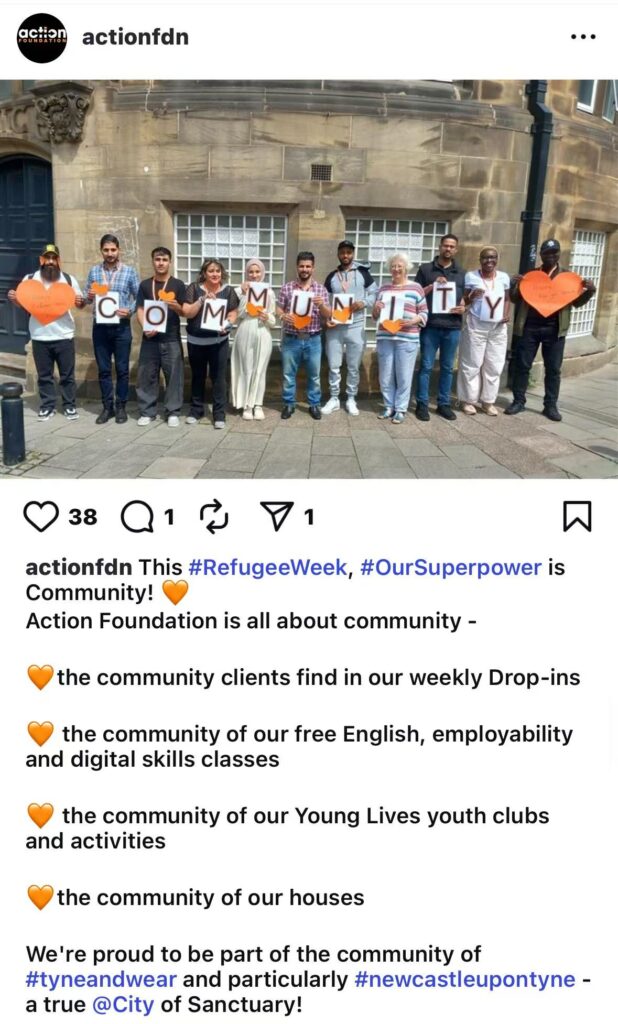
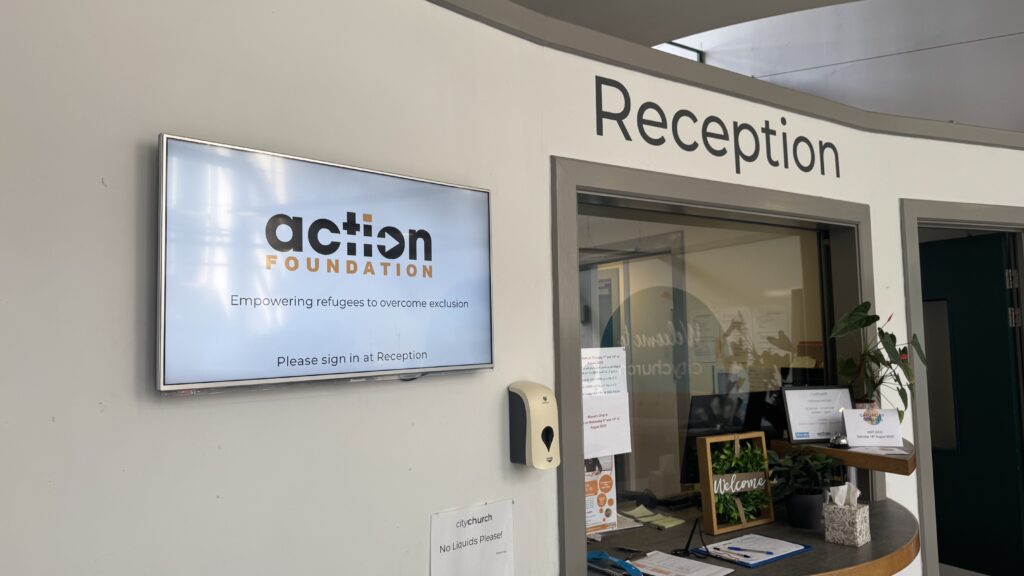
Celia describes Action Foundation as a drop-in service, a safe environment where people can access the internet, practice their English, and connect with peers and services. ‘First-timers can be nervous. But over time, their confidence grows, they bring friends, and they know how to use the space. The space becomes theirs.” At INTO, the structure of the classroom also consciously encourages cross-cultural interaction. Teachers mix students from different countries to ensure that they work together rather than staying in familiar groups. ‘We run activities where all students work in groups,’ explains Helen, ‘This way they mix well, get to know each other and talk about their experiences.’
Building Confidence and Belonging
The results of these efforts are reflected in the transformation of the participants. Celia from Action Foundation recall that some arrived with limited English and little knowledge of available support, but they gradually built their independence through guidance and contacts. In one case, a woman initially did not know how to access the childcare service, but was helped through the application process and is now more fully integrated into her community. Her children attend childcare with children from British and international families, a small but powerful example of cultural integration in action.
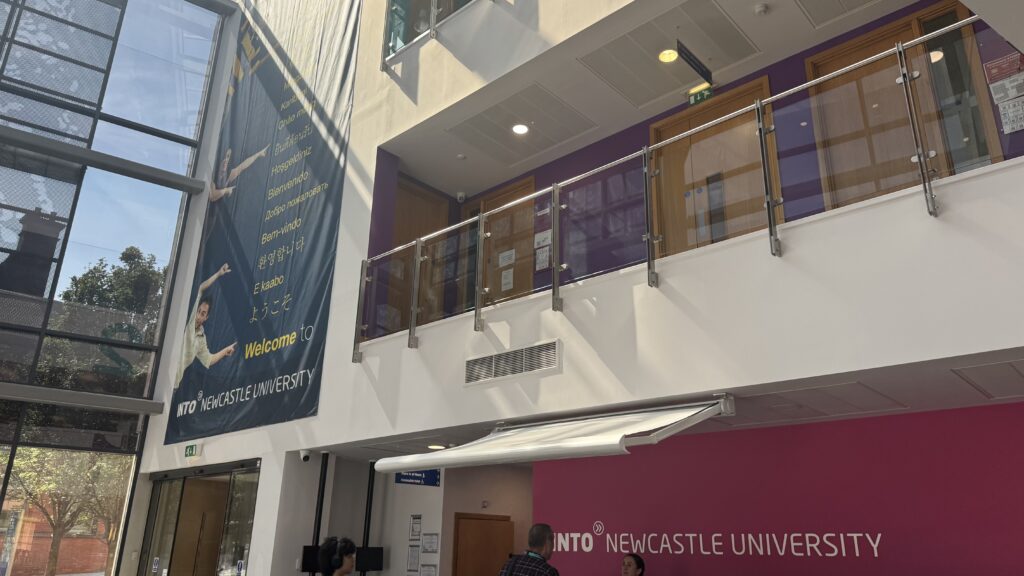
Helen from INTO have observed similar shifts among their students. ‘Sometimes they come in anxious because they don’t know how the system works,’ Helen reflects. ‘Once they’ve been here for a while, they become more comfortable …… become more comfortable and relaxed.’
A Culture of Welcome
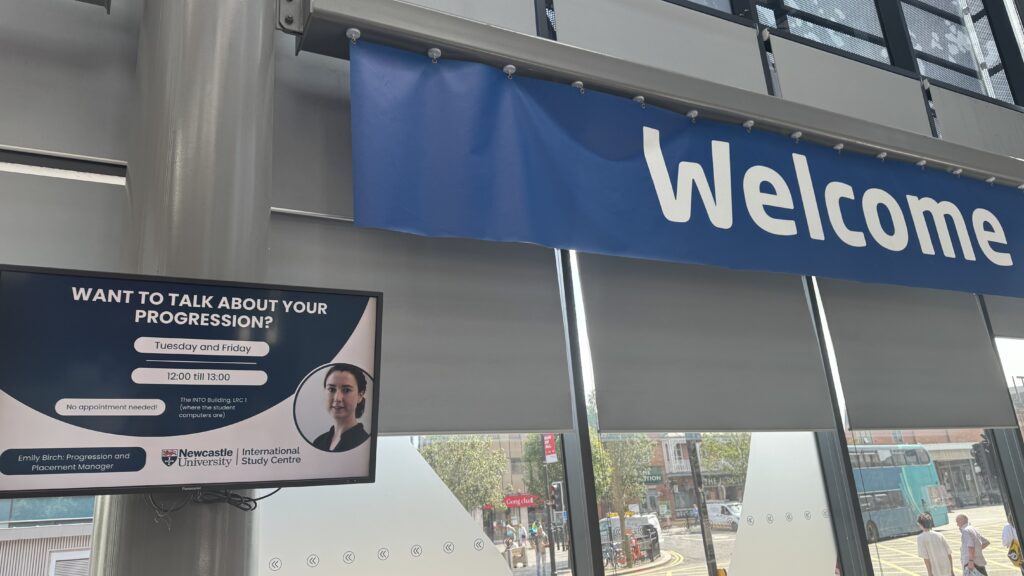
Underlying these personal experiences is the wider culture of Newcastle itself. As part of the ‘City of Sanctuary’ campaign, Newcastle promotes information about inclusive and creates spaces for newcomers to feel safe to engage. According to the Action Foundation, this positive messaging reduces tensions and encourages participation. For INTO, the friendliness of Newcastle residents is equally important.” Newcastle is really friendly …… People talk, say hello on the metro and walk down the street. You don’t feel like you don’t belong. Everyone has a sense of belonging.”
Integration as an Ongoing Journey
Cultural integration in Newcastle is not without its difficulties – employment barriers, different teaching styles and limited resources remain constant challenges. However, with the combined efforts of support agencies, educators and a welcoming local culture, the gap is narrowing.
After all, integration is not so much a breakthrough as a steady accumulation of contacts, experience and supportive action. Confidence is often the most important change, as Celia put it: ‘from uncertainty at the beginning to independence and involvement in the community’.
In Newcastle, cultural engagement is not just a policy objective but a lived reality, played out daily in classrooms, drop-in centers and community spaces across the city.