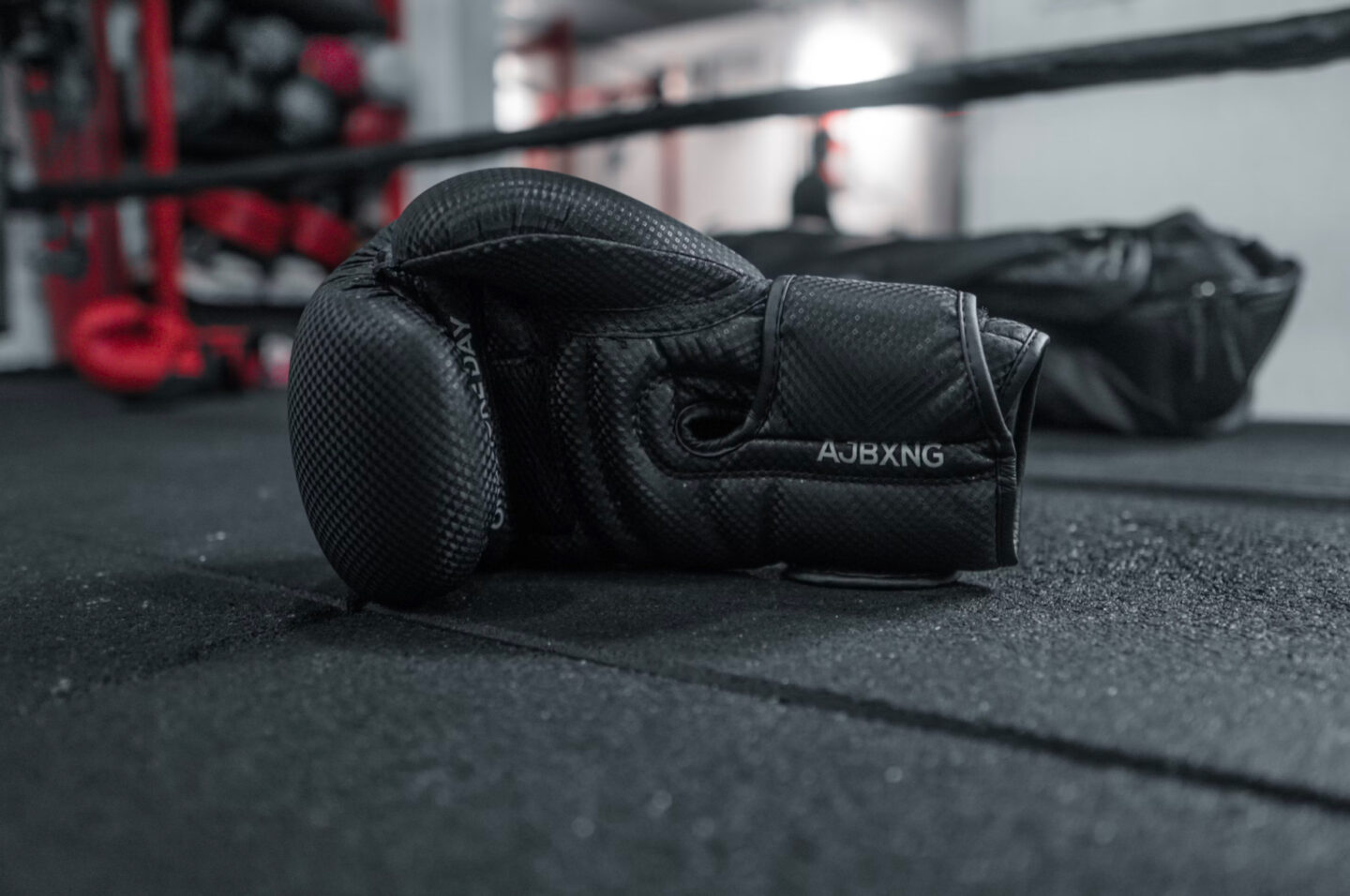
As a follow up piece on our Fight Night report, we will today be exploring the safety of boxing as a recreational sport
In a sport where your opponents main goal is to punch you in the head, really hard, every second someone spends in the ring carries the potential for immediate and long-term physical consequences, transforming what might seem like a controlled athletic activity into a genuinely risky endeavour.
The debate surrounding boxing’s safety has been a persistent and nuanced discourse within sporting circles, with both sides having a multitude of compelling points that both strengthen their own position and weaken the others.
Findings by the Association of Ringside Physicians in 2020 showed that from 1950 to 2007 there had been 339 professional boxing mortalities, 79% of these related to either technical or outright knock outs.
An article published by the WBC (World Boxing Association) states that when looking at fatalities per thousand per year, boxing falls at a rate of 0.12%, which is preceded by 9 other sports.

With this being said, Professional boxing represents a poor benchmark for evaluating the sport’s overall safety. Drawing conclusions about boxing’s inherent risks solely by examining elite-level professional matches would be a fundamentally flawed and reductive approach. These high-stakes, meticulously regulated contests, featuring athletes at the pinnacle of physical conditioning and technical skill, bear little resemblance to the average recreational boxer’s experience. Professional boxers undergo rigorous training, have access to comprehensive medical support, and compete under extremely controlled conditions – a context dramatically different from amateur or recreational participation.
The focus of today’s article will rather be on what has now been dubbed “White collar boxing”. This is where a person will take up amateur boxing for a short period of time for one off event. These events are usually under regulated by official bodies such as England Boxing and the British Boxing Board of Control and therefore can have a ‘pick and mix’ of safety and health protocols.
Events such as Fight Night Newcastle which were covered on this blog would fall under this bracket of “White collar boxing”. Students are given 8 weeks of professional training and then fight in an amateur bout lasting a total of 6 minutes.
Fight Night Newcastle was an example of how a white collar event should be ran. All fights were refereed with caution and 14oz gloves and headgear were used.

I also noticed that three paramedics were on site for all 21 fights that night, with the one knockout of the night receiving lengthy treatment after the fight had ended.
This isn’t to say that every amateur event around the country is ran like this.
The debate surrounding boxing’s safety is complex and multifaceted. While legitimate concerns exist about potential long-term health risks, responsible practice, proper training, and individual risk assessment can mitigate many of these dangers.
Properly supervised and regulated recreational boxing provides a structured environment for physical fitness, stress relief, and personal development. Modern boxing training emphasises technique, discipline, and controlled sparring, which significantly mitigate potential injury risks.
In addition to a whole host of obvious physical benefits, boxing can also have a multitude of mental and cognitive positives. Studies published by the National Library of Medicine have demonstrated that boxing-based fitness programs can reduce stress, anxiety, and depressive symptoms. The research noted that the combination of physical exertion and technical skill development provides substantial psychological benefits. Boxing training can also enhance cognitive processing speed, hand-eye coordination, and neuroplasticity, particularly in middle-aged and older adults.
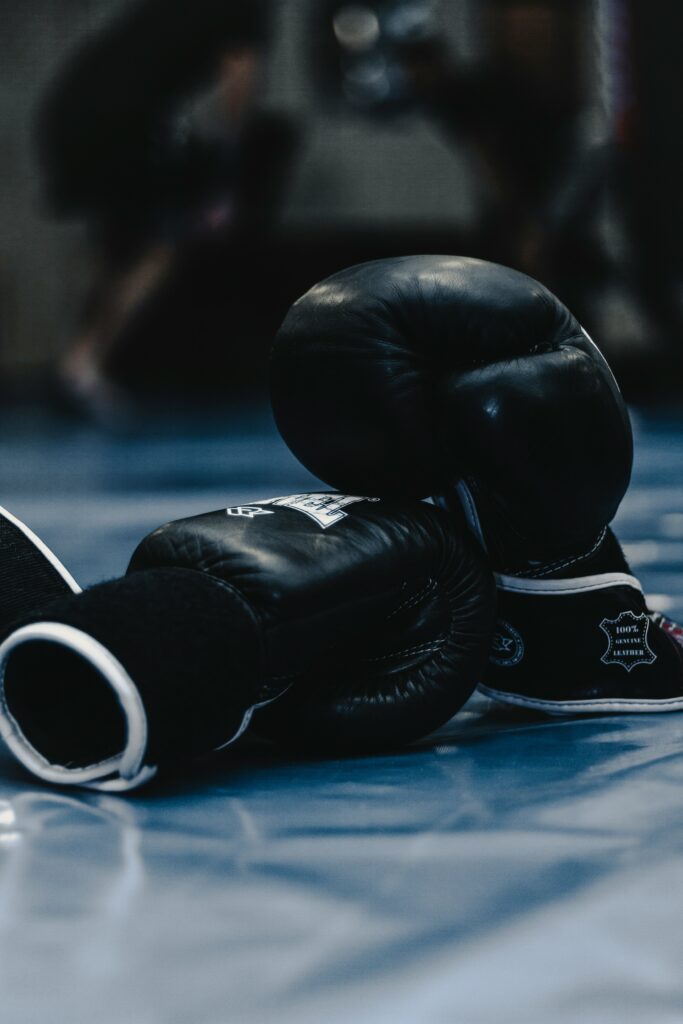
Not everyone that boxes will take part in amateur fights, or even has the goal to compete in a fight at all. Boxing comes in many forms, whether alone doing bag work or with a partner on the pads it can prove to be a great way to channel inner frustrations and increase your physical activity.
My stance is that in a controlled environment, with correct technique and practice boxing is an amazing way to be active and provide a sporting outlet different to typical gyms or activities.
When malpractice occurs, and proper health and safety measures aren’t taken into consideration, boxing can become dangerous. However, if done properly boxing is and can be a safe recreational activity.
There are a million and one risks associated with every action of our daily lives. Every time we cross a road the risk of being hit by a car increases exponentially. This risk doesn’t stop us from trying to reach our destination, so why should the risks associated with boxing stop us from participating. Especially when these risks are minimised by proper conduct.
What are your thoughts on boxing as a recreational activity? Be sure to leave them in the comments below or let us know by messaging our socials also linked.

Leave a Reply