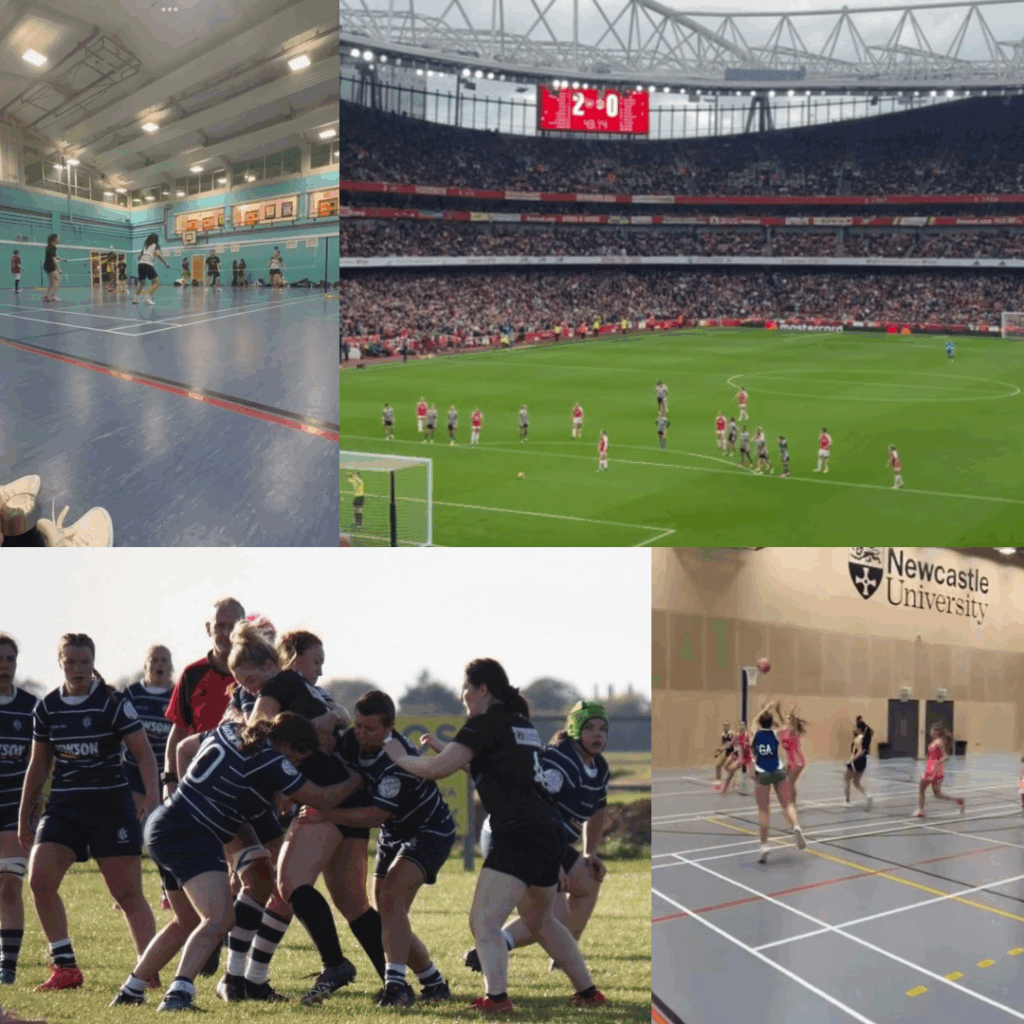
According to Women in Sport, more than 40% of girls drop out of sports by the age of 14- twice the rate of boys. The reasons range from lack of access and funding or even body image pressures. Even as woman’s sport breaks viewership records globally, too many young girls are still being left before they ever get a chance to compete.
Whilst girls today have opportunities across all sectors of sports, there are still significant barriers that remain. Sport for both men and women can be empowering; however, it is only successful if the system allows it to be.
So why is this gender inequality still present in our communities?
The core challenges faced by young women in sport are deeply rooted in the lack of adequate facilities and the lower priority often given to their needs. In many media outlets, sports clubs, and schools, boys’ teams frequently receive more support in terms of resources, time, and access to facilities.
This disparity was highlighted recently at a sports club in Lincolnshire, where the under-21 women’s rugby team was displaced from the main pitch to make way for the boys’ team. Team captain, Amy Ingram age 20, said that it felt as though their match was deemed less important, illustrating the ongoing imbalance in how women’s sports are prioritised.

In light of these challenges, the question arises: What more can be done for women in sport? For young women, sport serves as an invaluable tool for personal development, fostering not only physical health but also mental well-being and social connections. Recognising this, Newcastle University has launched its Women’s Sport Ambassador Program, which aims to support female athletes, promote women’s health, and encourage leadership within both the university and the broader Newcastle community.
One participant in this initiative, Shrav Sivakumar age 21, a member of Newcastle University’s badminton team, shared how the program has positively impacted her experience. She said: “It’s been great to play badminton alongside my studies. It’s allowed me to socialise and engage more with university life. I was initially quite apprehensive and lonely when I first joined, but after becoming part of the team, it really helped me.”
Shrav added: “Badminton gave me a sense of purpose at university. I would hate to think that girls like me might be unable to pursue a sport they love because of a lack of facilities or support.”
However, there still seems to be a decline in participation compared to boys, but why is this happening?
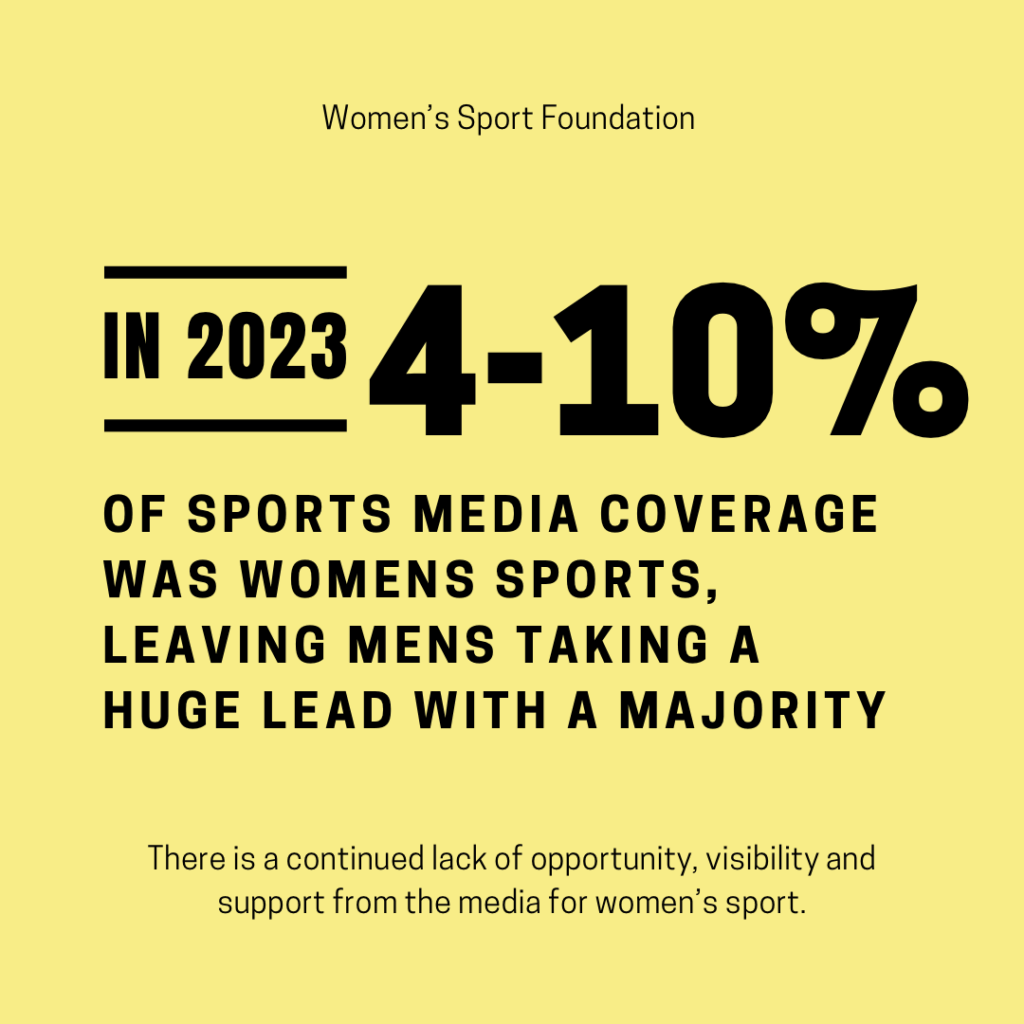
Well, research often suggest this could be down to the lack of visibility in elite womens sports and therefore young girls don’t see the success of female athletes in the media. According to Women’s Sport Foundation, womens sports receive around 4-10% of total sports media coverage. Similarly, even with a growing audience for womens sport, highlight in 2023, when the fifa woman’s World Cup broke viewership records, drawing over two billion viewers globally, the total prize money was 110 million compared to 440 million for men.
To gain a deeper understanding of the disparity in womens sport, conversations were held outside of the Newcastle United stadium before the Newcastle Birmingham City match on the 27th of April.
One fan said: “it’s great watching the team play but it’s frustrating how little media coverage they get, I can’t always afford to come down in person”.
Similarly, another supporter said her “daughter loves football, and I love bringing her along to the games, but it’s just never promoted like it is for mens teams. She then added, “it would be great to have more opportunities for girls in schools who are interested”.

On a global scale, schools need to empower young girls and invest in their sporting futures for the opportunity to receive the same support that boys do. Girls on the Run International Executive Assistant, Dariana Samalot, spoke on this. She stated, “I believe sports provide an incredible platform for girls to build self-esteem and learn that their bodies are capable and strong”. Dariana also said that their sessions ‘teach young girls to cheer each other on, not just focusing on winning”
With collective efforts, the next generation of women and young girls in sport will not just participate, but they will shape the game. Schools need to emphasise the importance of encouraging young girls early, but also the media in more visibility of female athletes to elevate young females. The underdevelopment of womens sports in all areas are on a path for a brighter future.