A rugby captain from Deeping Rugby Union, a local under 21’s team in Lincolnshire, is speaking out against what she describes as ongoing gender inequality within her sports club.
Team captain Amy Ingram, age 20, was left frustrated during the Easter league semi-finals when her team was unexpectedly displaced from their pitch.
“The girls and I were preparing for our semi-final match when the manager came in and told us our pitch had been given to the boys’ rugby team,” said Ingram. “It was outrageous — it felt like their match was considered more important than ours.”
Ingram said this isn’t an isolated incident. She recalled another time when the team’s changing rooms were taken to accommodate a visiting boys’ football squad.
“We were left cramped in a small, shed-like room while the away team had our facilities,” she said. “It’s disappointing, and sadly not surprising anymore.”
Despite national efforts to address inequality, such issues persist at the local level. The UK Department for Education has urged schools and sports clubs to ensure equal support and resources for both girls’ and boys’ teams, warning that imbalanced treatment sends the wrong message about gender equality in sport.
Yet, a recent report by Women in Sport, in partnership with the Youth Sport Trust, revealed that only 56% of girls enjoy taking part in sport, compared to 71% of boys — a gap many attributes to ongoing disparities in resources, attention, and encouragement.
The Instagram account She Scores, which highlights stories of women in football, also commented on the issue. The anonymous account manager said: “We love celebrating how far women’s football has come, but there’s still a long way to go. People say no one cares about women’s football — so who are all those fans cheering from the sidelines every week?”
As visibility and support for women’s sports grow, many feel the structural issues still haven’t caught up.
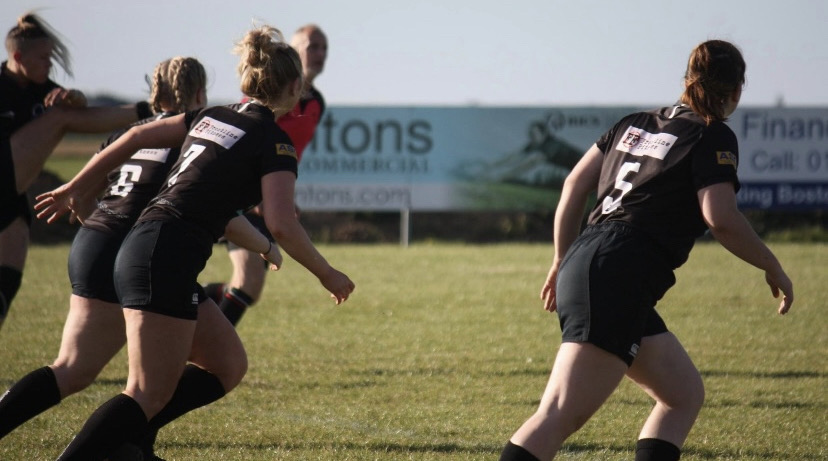
When asked how these experiences impact her and her teammates, Ingram said: “Honestly, it’s demoralising. We train just as hard as the boys, we commit just as much time, yet it constantly feels like we’re second-best. It’s not just about fairness — it’s about respect.”
Ingram is now calling for her club to provide equal access to pitches and facilities, hoping her voice will prompt real change. “It’s not just for our team; it’s for all the teams that are still to come after us”.
Despite progress made in the women’s game, Amy’s story is a powerful reminder that the road to true equality in sport is far from over.
People are finally starting to move away from the outdated concepts regarding women and sport, which is great to see. But even though things are improving, there’s still a lot of work to do to challenge the stereotypes and make sports truly equal for everyone.