Every international student pays for the NHS before they land in the UK. Two Newcastle students told me what happened when they finally needed it, and a city practice manager explained how to make the system move faster.
You pay for the NHS before you get here.
The Immigration Health Surcharge costs £776 for every year of a student visa, paid in full and upfront when the application goes in. On the Graduate Route, the post-study work visa, it is £1,035 a year.
It has climbed steadily. Students paid £150 a year when it started in 2015, then £300 in 2019, £470 in 2020, and £776 in February 2024.
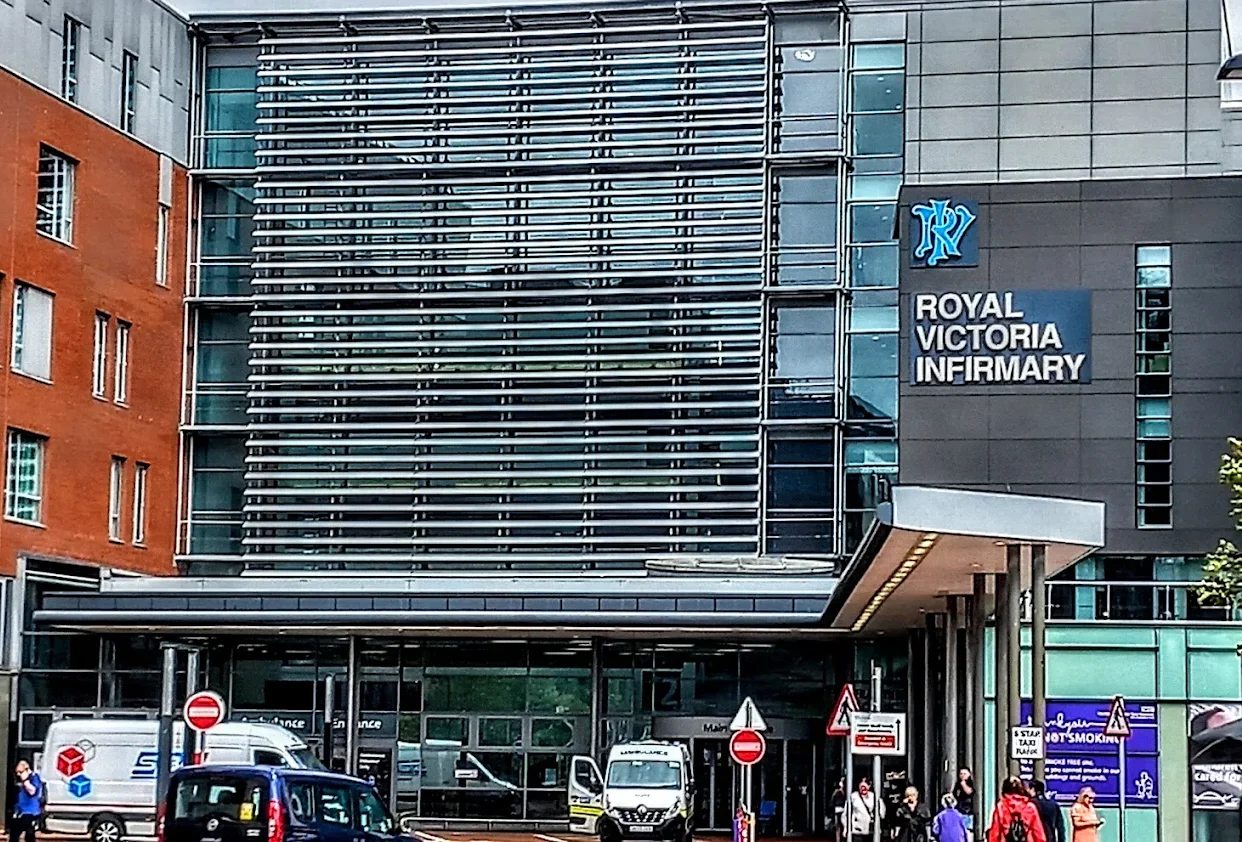
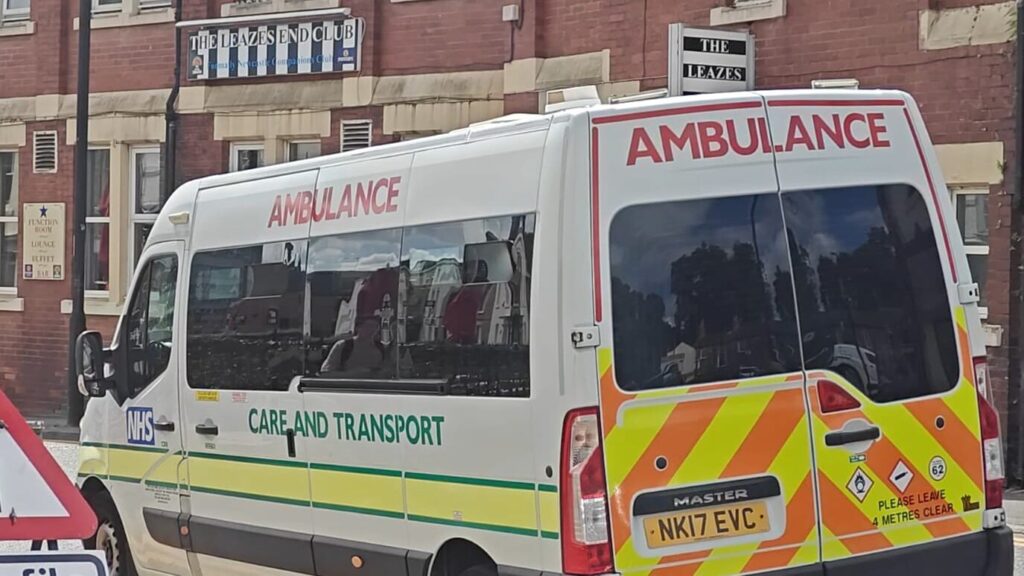
That buys NHS access on the same basis as a UK resident. It does not buy a shortcut, and it comes with no instructions.
“It’s obvious that they’re understaffed”
Marina Hristova came from Bulgaria in 2022 for her degree. In an exclusive interview, she said friends already studying here had warned her before she arrived.
“They would tell me that the healthcare wasn’t one of its best and everything would be treated with either paracetamol or ibuprofen.”
Marina Hristova, Newcastle University graduate

She packed accordingly. “I loaded my suitcase with a certain amount of meds,” she said.
Her turning point came in January 2023, when a teammate broke his arm at night tennis. The minor injuries unit had shut, so they reached the emergency department at around ten. He was called in at seven the next morning.
“That’s 10 hours. We had to stay there overnight till he got called in.”
Marina Hristova, on her teammate’s injury
The buildings, she is clear, were not the problem.
“As much as the hospitals are nice and clean, very modern, very organized, it’s obvious that they’re understaffed.”
Marina Hristova, on staffing levels

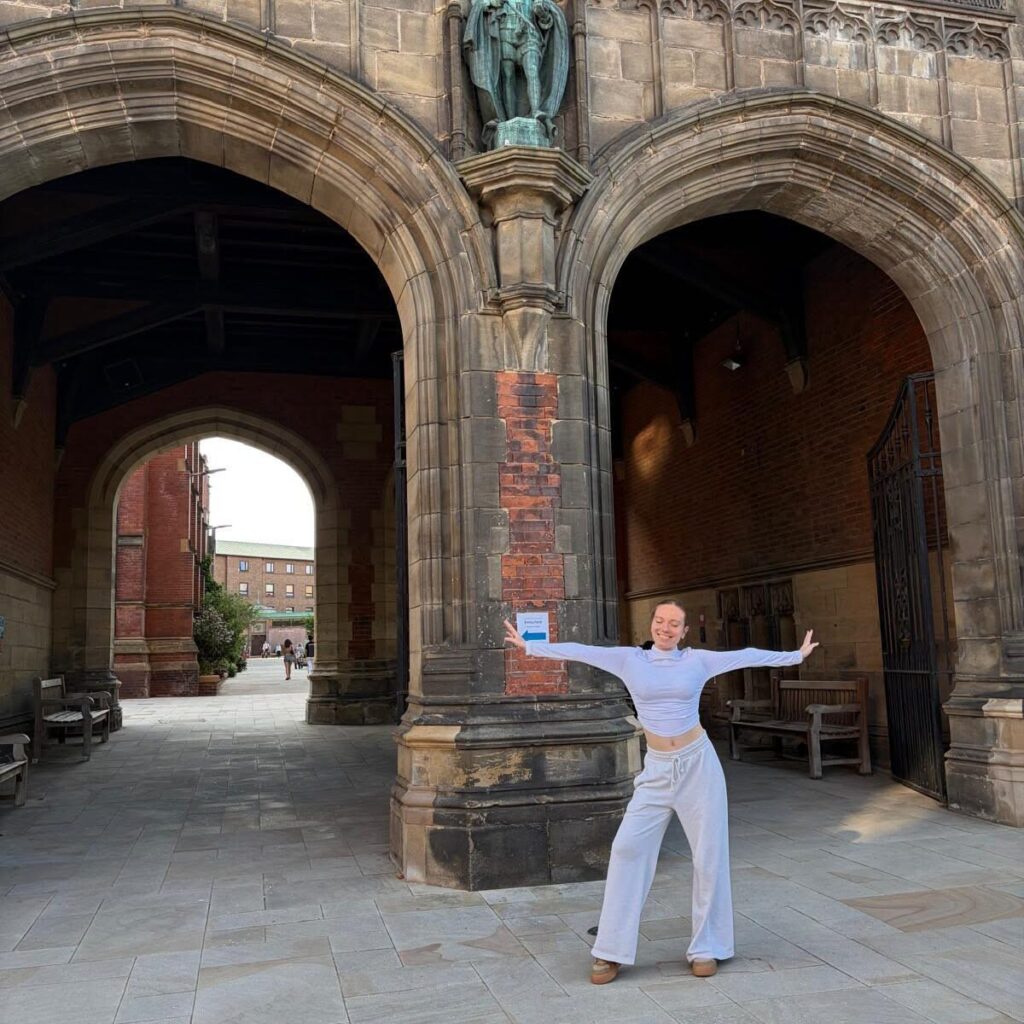
Her comparison is Varna, Bulgaria’s third city, with a population she says is comparable to Newcastle and its districts. “It has at least four emergency hospitals,” she said.
Three weeks to register, three months to be turned away
Breeya moved here from Taiwan three years ago and did exactly what students are told to do. She also spoke exclusively.
“I registered the first day I’ve been here.”
Breeya, student from Taiwan
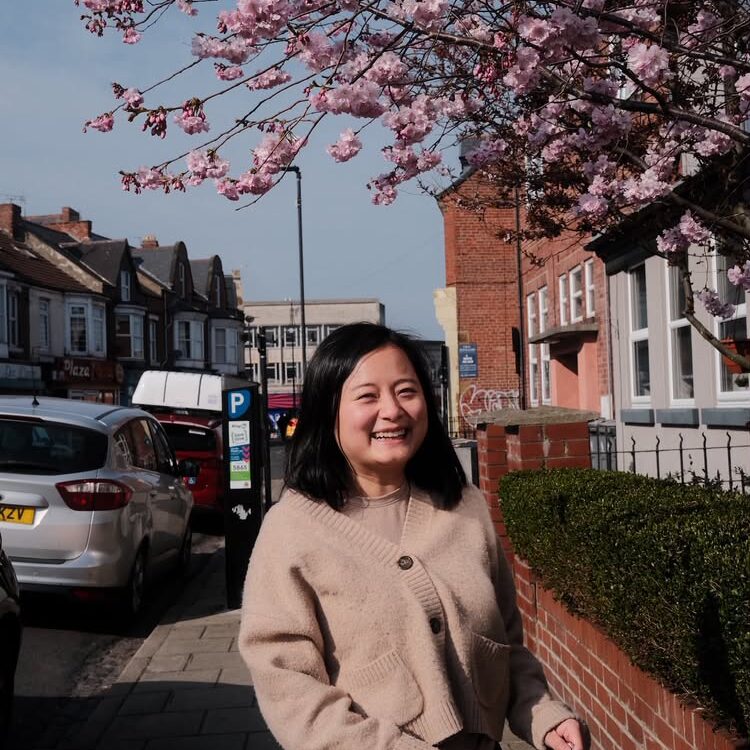
Registration still took three weeks. She was the last of her classmates confirmed, and said she panicked with nothing she could do.
The longer wait came later. She booked an HPV vaccine appointment after seeing it offered on the NHS. She was over the age limit. The booking still went through.
“I was waiting for the phone call and waiting for the appointment, like three months, and then I’ve been there, they said, oh, you’re not allowed to do that.”
Breeya, on an appointment she could not have
Her sharpest experience came on a Sunday, when a friend fell ill. They used NHS 111 online, which sent them to a pharmacist, who judged the pain serious enough for A&E. They waited over four hours.

“My friend was crying and crying again. While she’s crying, no one can help. We even saw people just left. They say they’d rather die here.”
Breeya, on waiting in A&E
Her friend had started a GP registration but never finished it, so had no practice to fall back on. They were seen eventually, and Breeya says the doctor was really nice. By then it was past five and no pharmacy was open to dispense what she was given.
The pressure behind the wait
What they describe is not unusual right now.
Figures published this week by the Royal College of Emergency Medicine, covering July 2026, show emergency departments in England under record summer pressure. More than 150,000 patients spent over 12 hours in major A&E departments, the worst July on record, and over 47,000 waited on a trolley. Four-hour performance fell 1.4 points on last July.
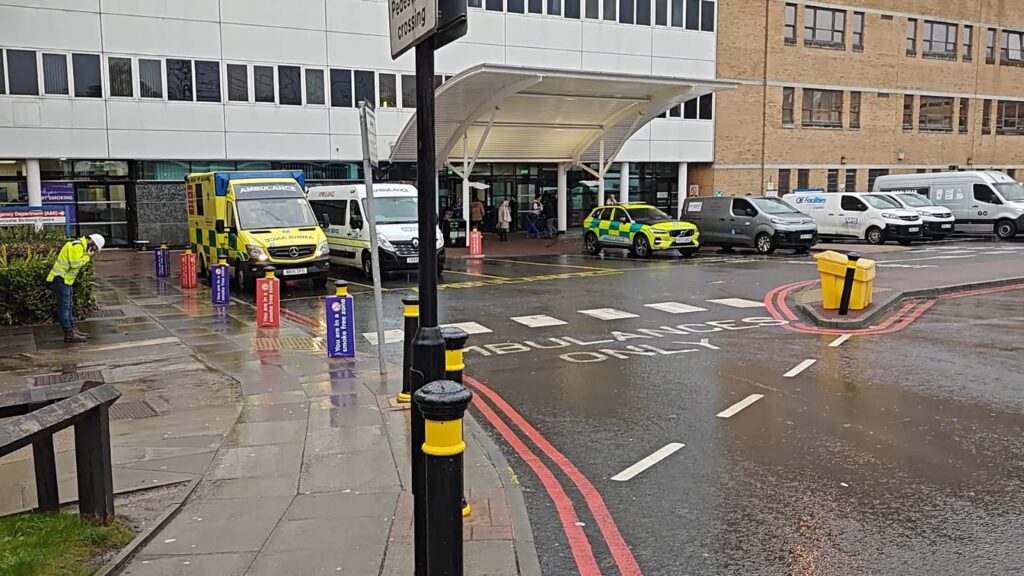
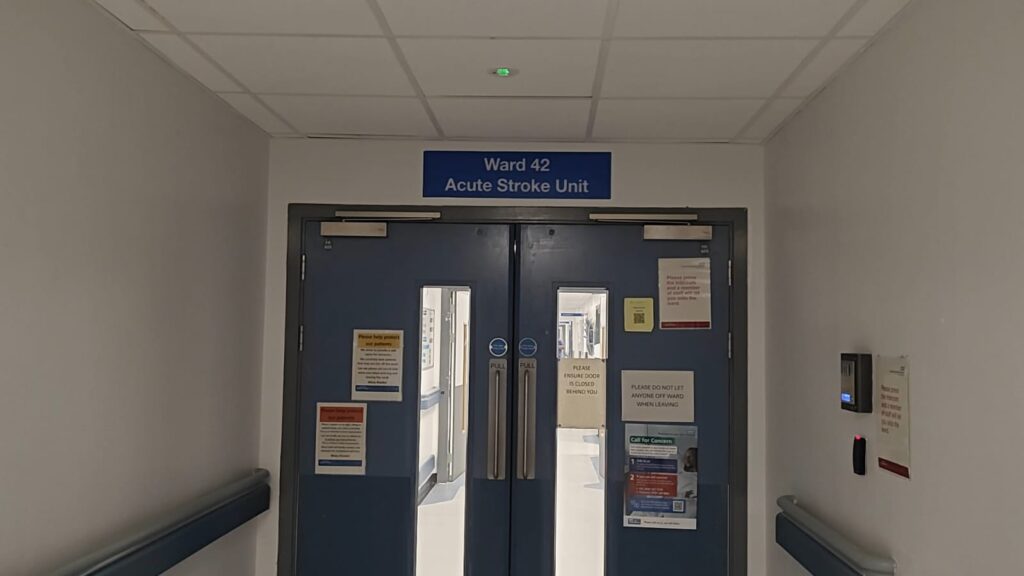
The NHS standard is 95% of patients admitted, transferred or discharged within four hours. The King’s Fund says it has not been met nationally since July 2015.
What the practice said
I reached out by email to Newcastle Medical Centre, the GP practice inside Boots at Eldon Square where many students are registered. Practice manager Cheryl Mooney responded with written answers.
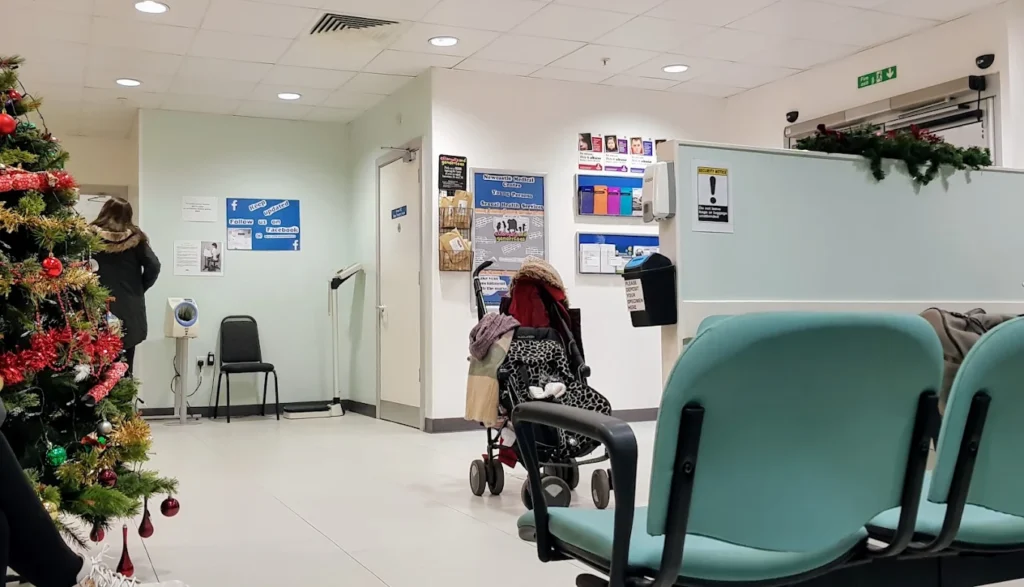
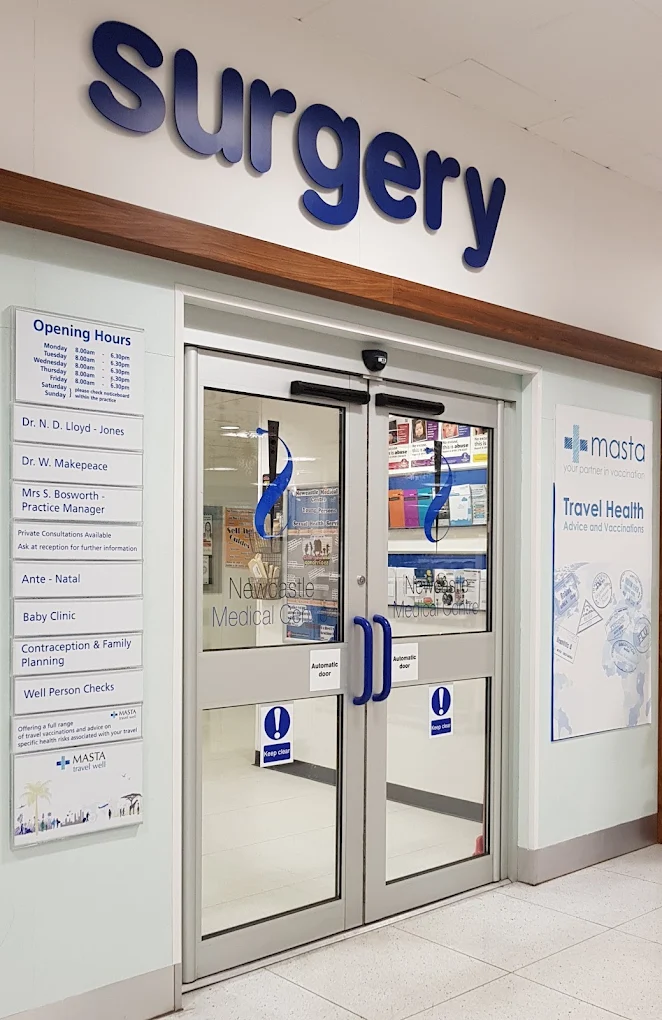
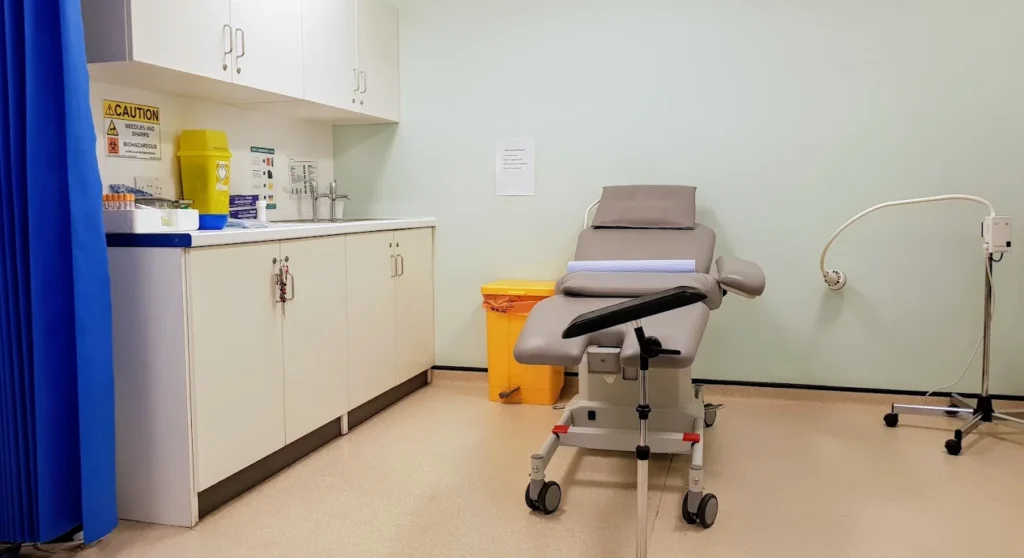
She said registering early matters more than students realise.
“It is best for a student to register ASAP as it can take up to 7 working days to be registered although this could be longer at busier registration times.”
Cheryl Mooney, Practice Manager, Newcastle Medical Centre
For anyone unregistered, she said walk-in centres and Pharmacy First may still help.
On eligibility, the question that cost Breeya three months, she was blunt.
“In the UK the practices are the main point of contact before secondary care, so you need to be seen by the GP before a referral to a specialist can be done.”
Cheryl Mooney, Practice Manager, Newcastle Medical Centre
Vaccines, blood tests and referrals can all be checked with the practice first. On waiting, she said it uses a GP-led triage tool to decide appointments and signposting.
“The only thing that can determine the wait is the problem.”
Cheryl Mooney, on what decides the wait
Her main advice was to check usetherightservice.com, which sets out which service to use and when, plus the practice website and leaflet. If anyone is unsure, she said, ask the practice how it works, as practices differ.
What you can actually do

- Register with a GP on arrival, not when you fall ill. It is free, needs no ID, and can take seven working days or longer.
- Check eligibility with the practice before booking, especially for vaccinations with age limits.
- Use 111 for anything urgent but not life-threatening. Call 999 in an emergency.
- Not registered yet? A walk-in centre or Pharmacy First can still see you.
The wider picture
Students are not the only ones weighing up the wait. Deccan Herald reported this week on a British patient facing a three-year wait for a knee replacement who flew to India instead, cutting the cost from about £40,000 to £14,000.
Breeya would take the same route again. Her advice to new arrivals is simpler than the system itself.
“They should register GP as soon as possible. And even if you don’t have the GP, it’s alright. You still can go to the hospital once you need it.”
Breeya, on her advice to new arrivals
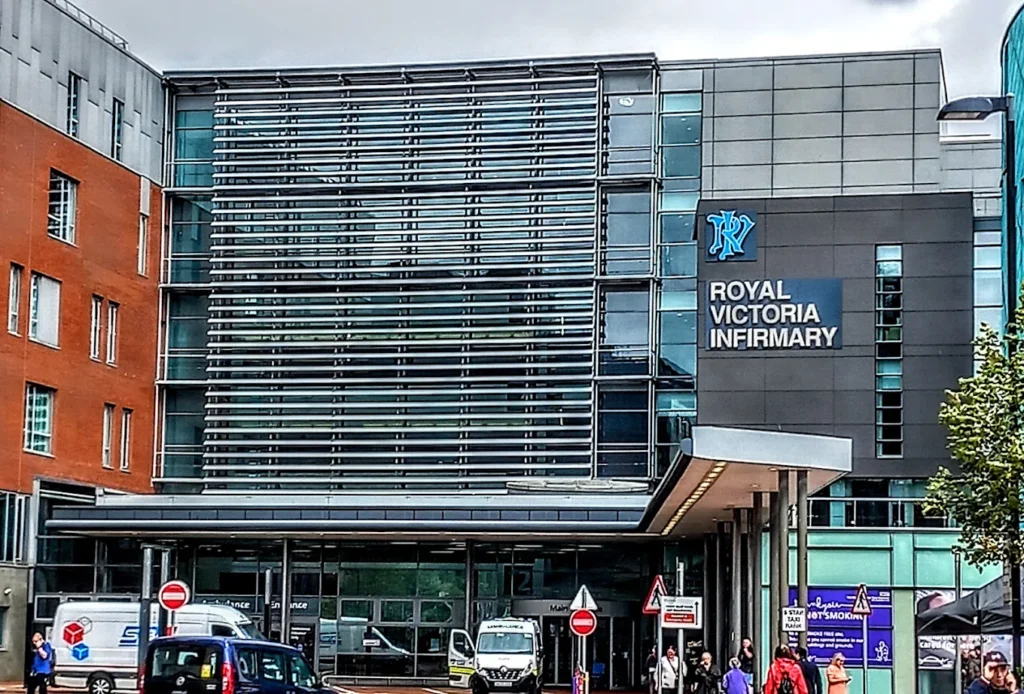
The surcharge is paid before anyone lands. Learning how to use what it buys, takes far longer.
About the author
Ameya Edvankar is a multimedia journalism student at Newcastle University, reporting on the city and the people. Read more about him here.
Follow more of his work on Instagram at @ameyaedvankar and @ameya_frontrow.