From January, international graduates get eighteen months instead of two years. The experts say it is manageable. The students living it are not so sure.
VIDEO: The six-month question, heard from Newcastle and Mumbai.
From 1 January 2027, the graduate route visa will be cut from two years to eighteen months for anyone finishing a bachelor’s or a master’s degree. PhD graduates keep three years.
Apply on or before 31 December 2026 and you still receive the full two years. The deadline is the application date, not the day your course ends.
The change was proposed in the government’s May 2025 Immigration White Paper and became law through a Statement of Changes laid before Parliament on 14 October 2025. It is settled, not a proposal.
What the two visas actually do
The student visa lets you study. It needs a place at a licensed university, an English test, and proof you can support yourself. Most taught master’s students have not been able to bring dependants since January 2024.
The graduate route, still widely called the PSW, is what comes next. It lets you stay and work, or look for work, with no job offer, no sponsor and no salary floor. You can only hold it once and you cannot extend it. To stay beyond it you must switch to a Skilled Worker visa, which does require an employer to sponsor you.
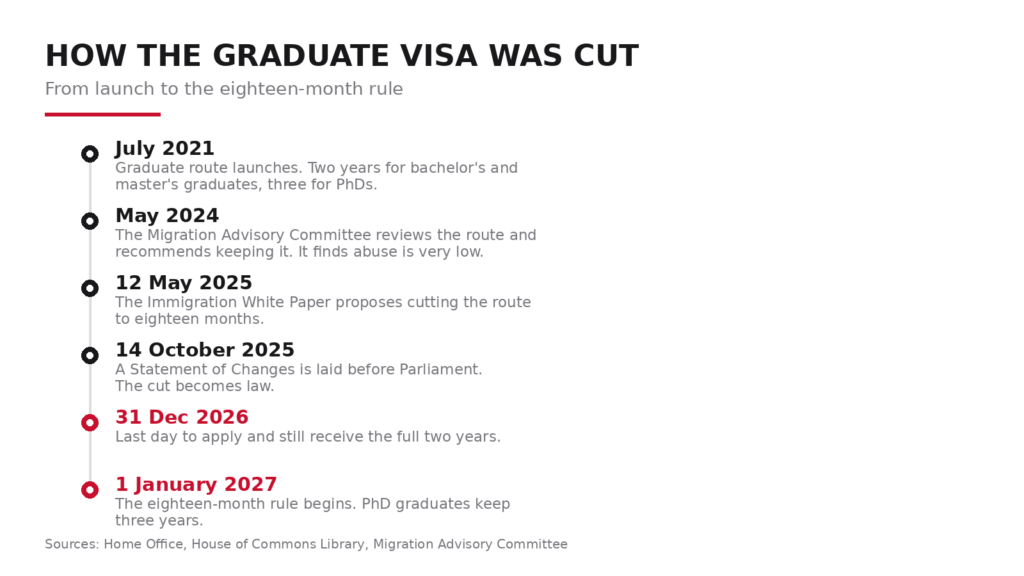
How the graduate visa was cut, from launch to the eighteen-month rule. (Original Graphic: Ameya Edvankar)
“They gave everyone time”
Dhruv Krishnaraj founded Student Circus, which helps international students find work in Britain. He defends how the change was handled.
“I would say it’s a very positively holistic decision taken by the government in a very thoughtful way.”
Dhruv Krishnaraj, Director and Co-Founder, Student Circus
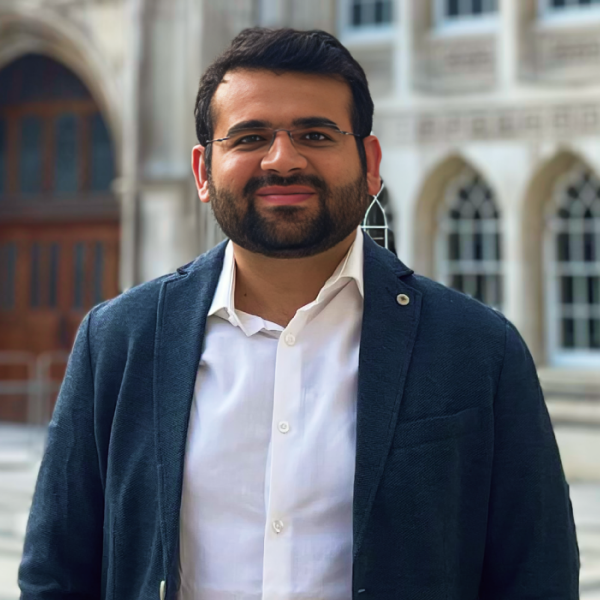
His argument is that nobody was caught out. Students already on a one-year master’s keep their two years, and those on longer courses were told years in advance. His advice is blunt: start applying for jobs twelve months before you graduate, because British hiring moves slowly.
But he does not defend all of it.
“It locks a lot of students out from that eligibility.”
Dhruv Krishnaraj, Director and Co-Founder, Student Circus
He is talking about graduate schemes. Many run for two years. Employers use them to test international graduates before deciding whether to sponsor them. An eighteen-month visa does not cover a two-year scheme, so the student cannot apply at all.
The maths students are doing
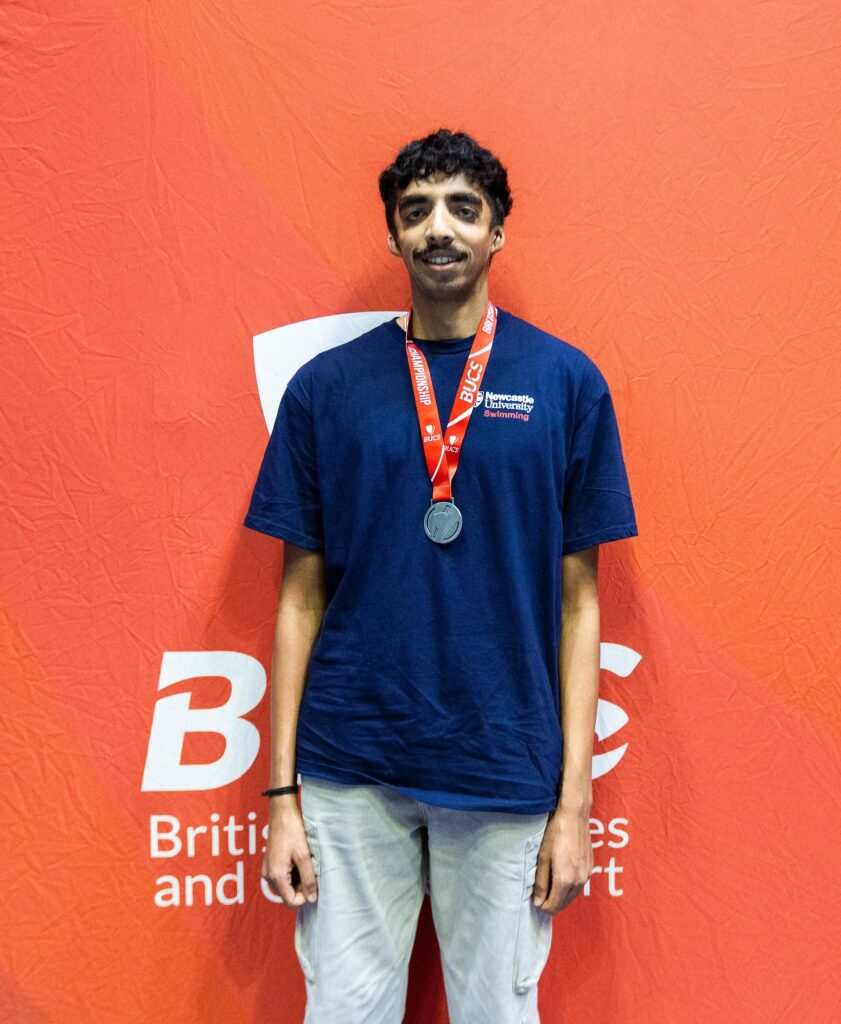
Ananya Rajesh Sonawane is applying in October, before the deadline, so she keeps two years. She still sees the problem.
“You’ll be investing the same as the previous years and you’ll be getting less for that.”
Ananya Rajesh Sonawane, Newcastle University

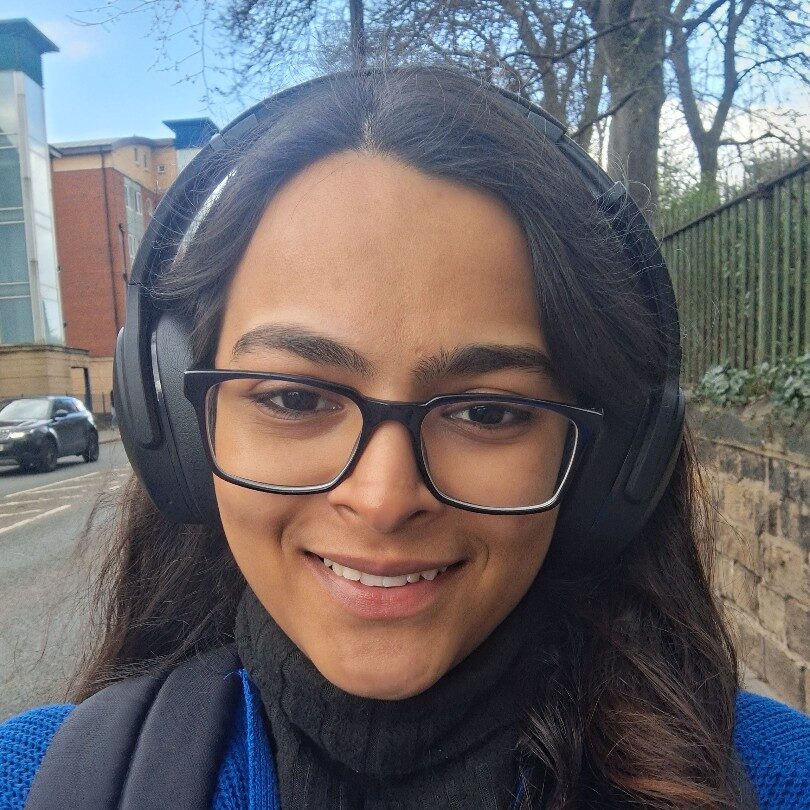
She points at hiring timelines. Large employers can take three to six months from application to offer, and often do not reply quickly. Start that process late on an eighteen-month visa and the clock runs out mid-interview.
Indian nationals received 90,153 graduate route extensions in the year to December 2025, about 42 per cent of the total, ahead of Nigeria and Pakistan. Overall grants fell 6 per cent.
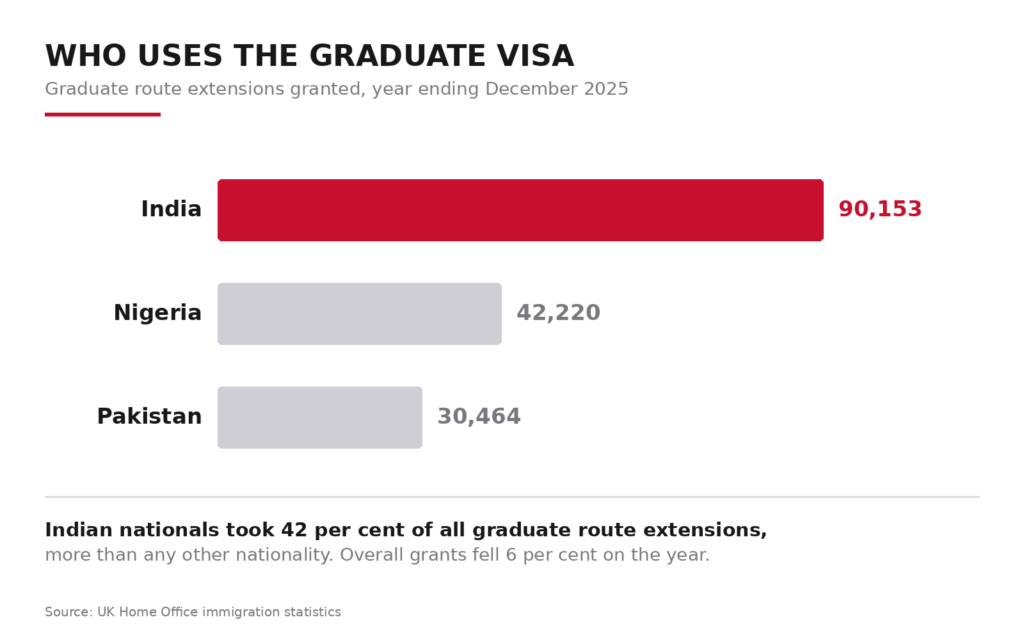
Indian nationals took the largest share of graduate route extensions in 2025. (Original Graphic: Ameya Edvankar)
The view from Mumbai
Akanksha Rogay has spent six years advising Indian students on studying in the UK. She thinks the alarm is overstated.
“The impact is very minimal because clarity is there. They’re not diving into uncertain waters.”
Akanksha Rogay, Former Education Counsellor, Edwise International

Her point is that Britain does not change the rules underneath people. Students who arrived in 2025 were promised two years and got two years. On the falling numbers, she is equally calm.
“It is not because this is not a choice, it’s just because there are other options.”
Akanksha Rogay, Former Education Counsellor, Edwise International
What eighteen months feels like
Arpita Roy Choudhury arrived on a full scholarship. She has given herself three months to find a job. If nothing lands by December, she will not apply for the visa at all.
“Eighteen months is actually a crunch. It’s a very high pressure, high stakes debt you’re taking.”
Arpita Roy Choudhury, Newcastle University

The government’s own impact assessment expects the change to reduce student visa applications by around 12,000 a year. It made that trade knowingly. In 2024 the Migration Advisory Committee reviewed the route, found abuse very low and recommended keeping it as it was.
Dame Chi Onwurah MP was approached for comment and was not available.
Two cities, one question
This is the last of five stories reported between Newcastle and Mumbai. They began with food and ended with a deadline.
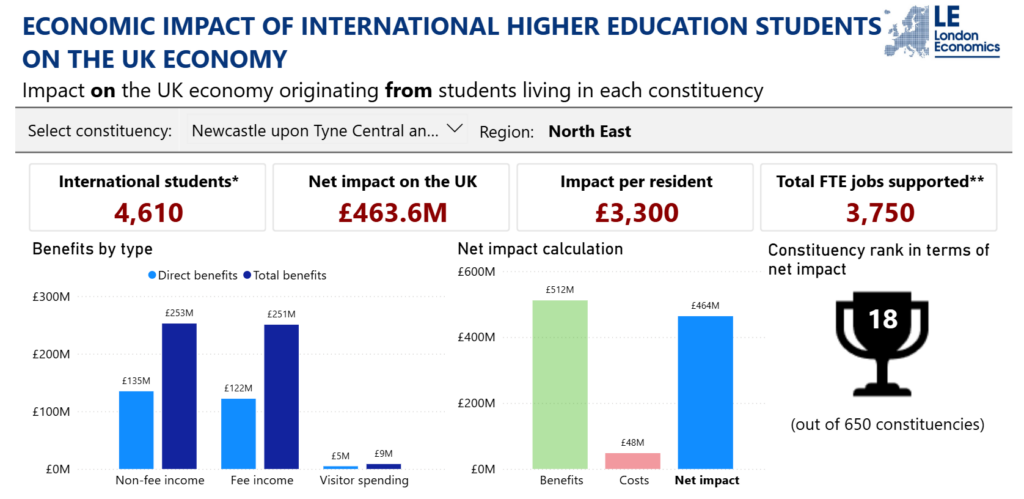
Between them sits a £35 million shortfall at Newcastle University, around 300 jobs, and 44 days of strike action, all traced back to international students who did not arrive.
The people who advise students say eighteen months is enough. The students counting the months have already started planning their exit. Britain is about to find out which of them was right.
Six months, and a decision that follows you home.


About the author
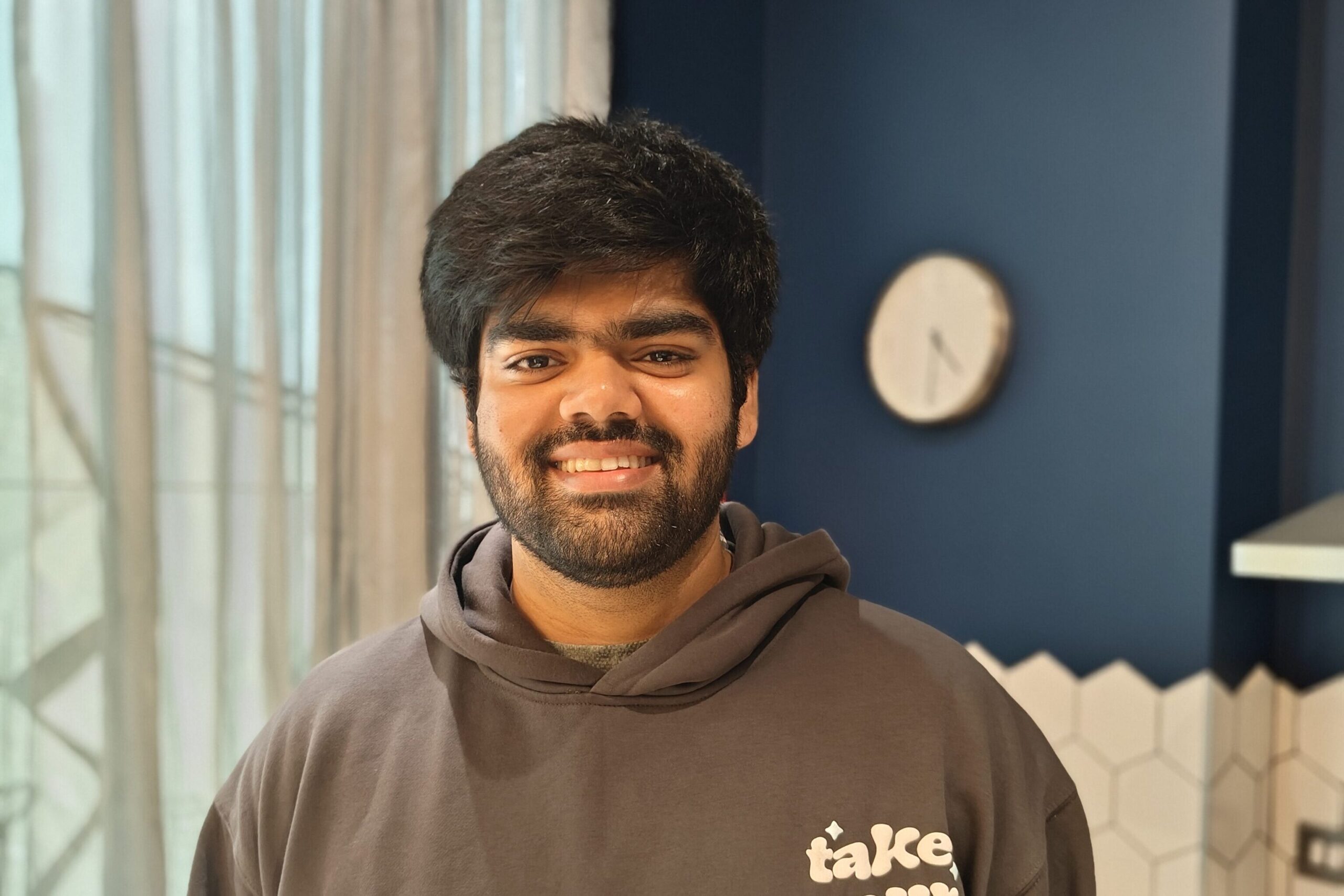
Ameya Edvankar is a multimedia journalism student at Newcastle University, reporting on the city and the people. Read more about him here.
Follow more of his work on Instagram at @ameyaedvankar and @ameya_frontrow.