

This spring, the UK government introduced the Universal Credit and Personal Independence Payment Bill, sparking fierce debate in Westminster.
The first draft tightened eligibility for disability benefits and cut the health top-up in Universal Credit—measures aimed at saving billions but warned to leave disabled people worse off. After a backlash, Prime minister Keir Starmer reversed some changes, protecting existing claimants, raising benefits with inflation, and adding a £1 billion support package.
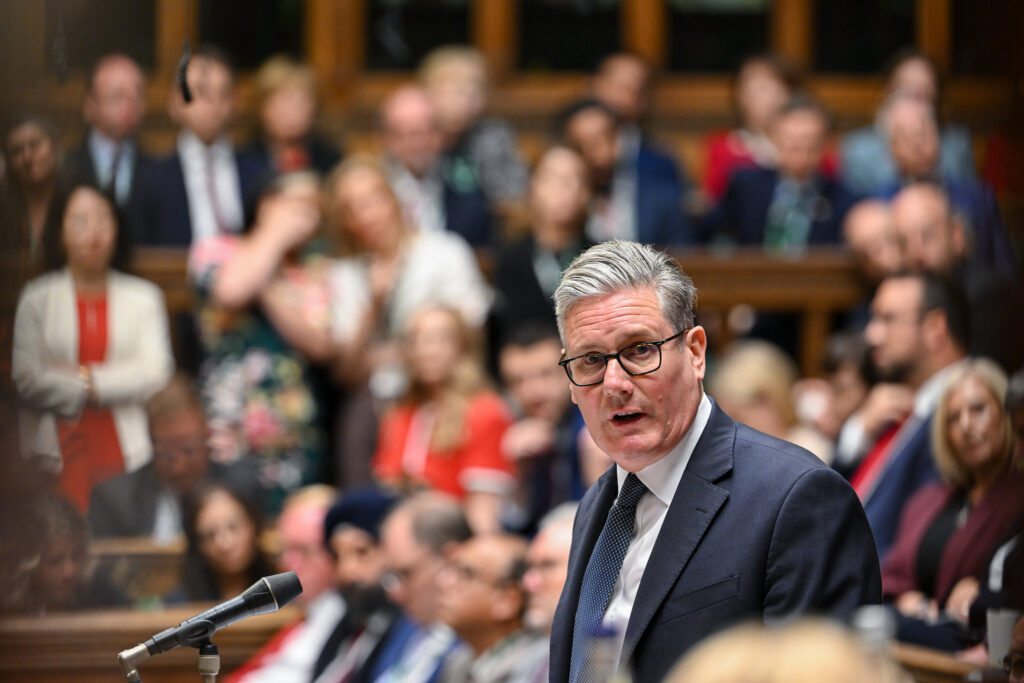
Prime Minister Starmer defended the adjustments as “common sense” and “the right balance,” but admitted “we didn’t get the process right” in handling the reforms.
In Newcastle, the impact feels personal. Quinn Elson, who has autism and functional neurological disorder, worries about losing the support that helps him live independently. Leo Prajogo, a wheelchair user for the past three years and disabled long before that, fears life will get even harder.

“Support must come before cuts.” – Hannah Cooper, Citizens Advice
Hannah Cooper, Research and Campaigns Manager at Citizens Advice Newcastle, says “support must come before cuts.”
I contacted government representatives for a comment, but received no response.