
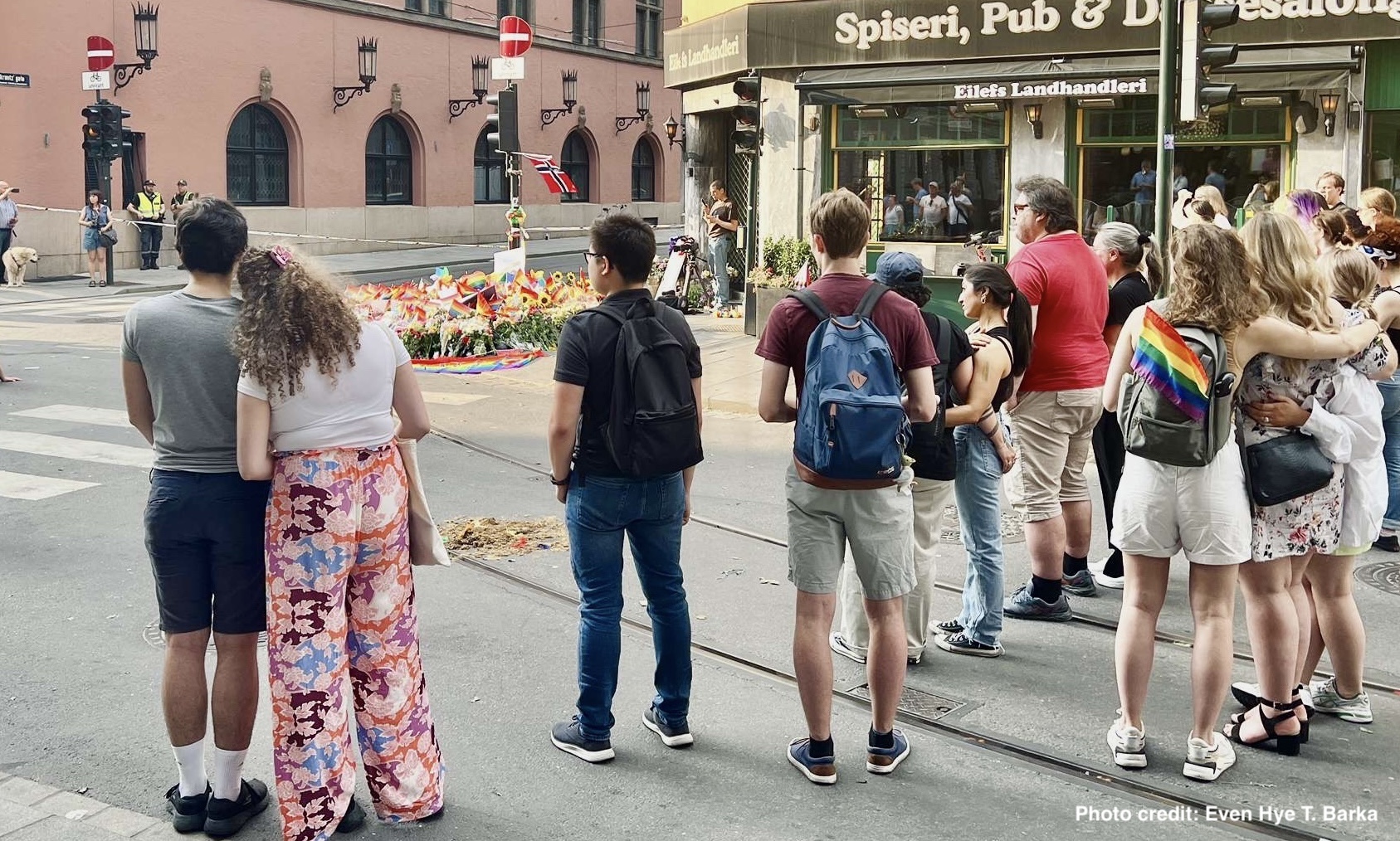
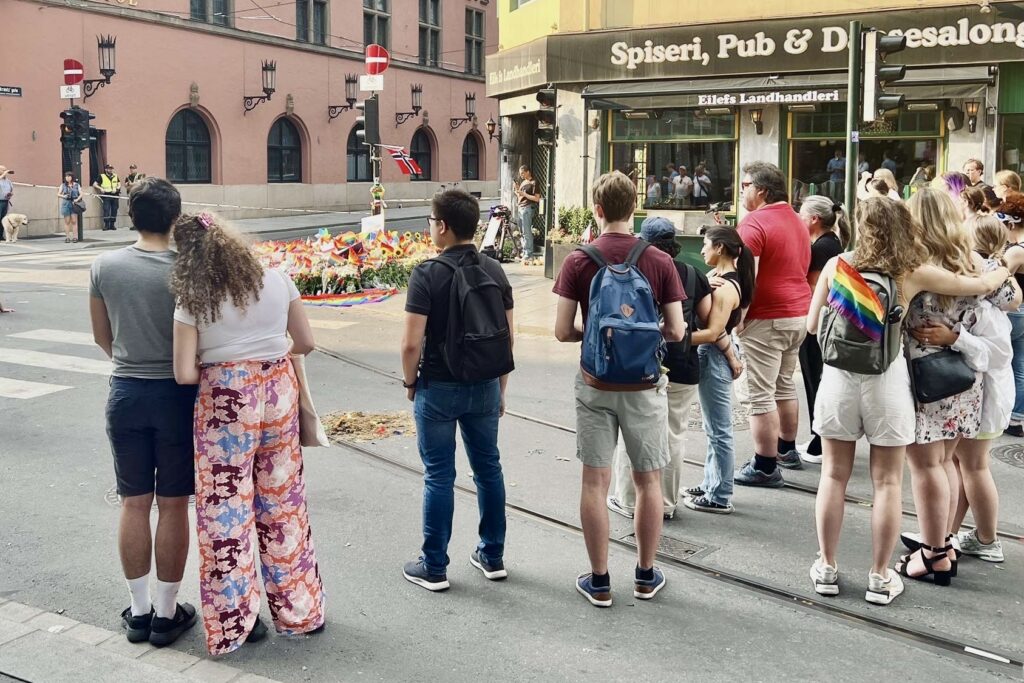
The vibrant pulse of Oslo’s Pride celebration was shattered on a summer night in 2022 when a gunman opened fire outside the popular gay bar London Pub, claiming two lives and injuring many more.
The attack, deemed an act of terror, sent shockwaves through Norway’s LGBTQ+ community, leaving a sense of vulnerability and a profound need for safe spaces.
Zaniar Matapour, a 42-year-old Norwegian of Iranian descent, carried out the attack. The prosecution characterized Matapour as a “radicalised Islamist,” emphasizing that the attack was ideologically driven and intended to spread fear.
Attacked on the dance floor
Espen Aleksander Evjenth and his partner were about to step onto the dance floor inside London Pub when the shots were fired. In the instant that followed, he felt a devastating impact. “What was this—did I get hit with a hammer?” he thought, moments before collapsing on the floor.
“It was ironic—feeling safe in a situation where everyone else felt the opposite. They chose to take care of a complete stranger.” – Espen Aleksander Evjenth
His partner’s frantic calls for him echoed through the chaos. Yet, in the midst of violence, complete strangers chose to stay and help him rather than flee. “It was ironic—feeling safe in a situation where everyone else felt the opposite. They chose to take care of a complete stranger.”
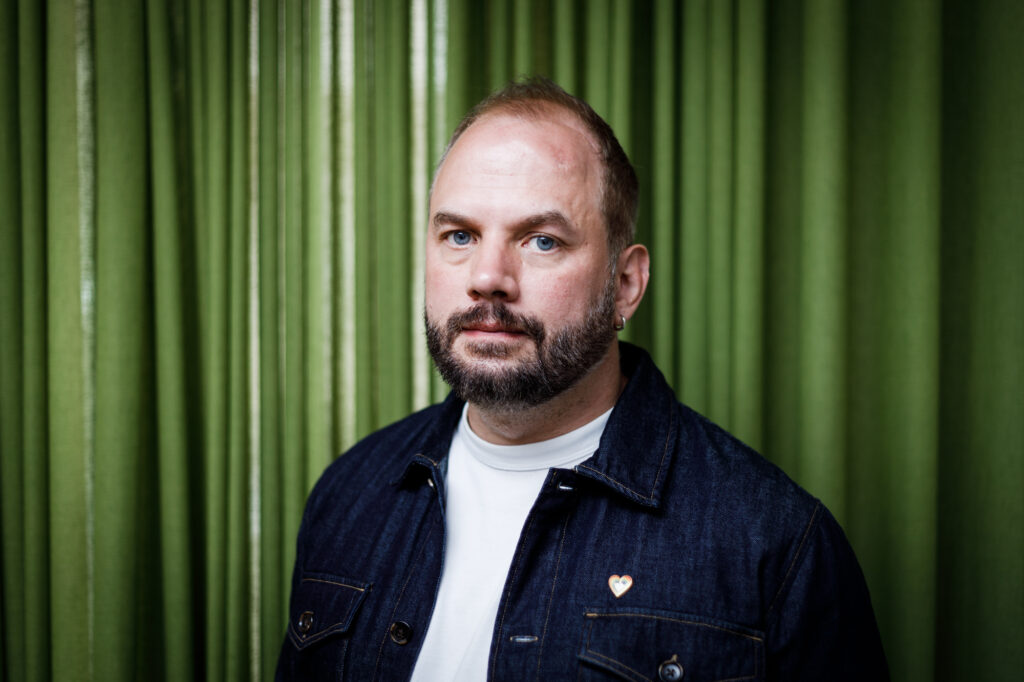
Photo credit: Sindre Deschington / Støttegruppa 25. juni
That moment of solidarity became the seed of his mission. In the months after, frustrated by the lack of coordinated follow-up for survivors, Evjenth helped establish Støttegruppa 25. juni — a support group dedicated to creating safe spaces for those affected.
“There were 600 people present that night who didn’t get much understanding for the danger we’d been in. So that room — that safe space — we had to create ourselves.”, he says.
The lingering fear
And the need for a “safe haven” is urgent. A 2025 study by the National Knowledge Centre for Violence and Traumatic Stress (NKVTS) found that 40% of participants now avoid queer events, while 70% feel less safe, reporting heightened fear and hate in the wake of the attack.
For Evjenth, the Oslo attack sits within a wider trend of polarisation and global culture wars. “Trans people are the biggest scapegoats now,” he warns, drawing parallels with the treatment of gay men in the 1980s.
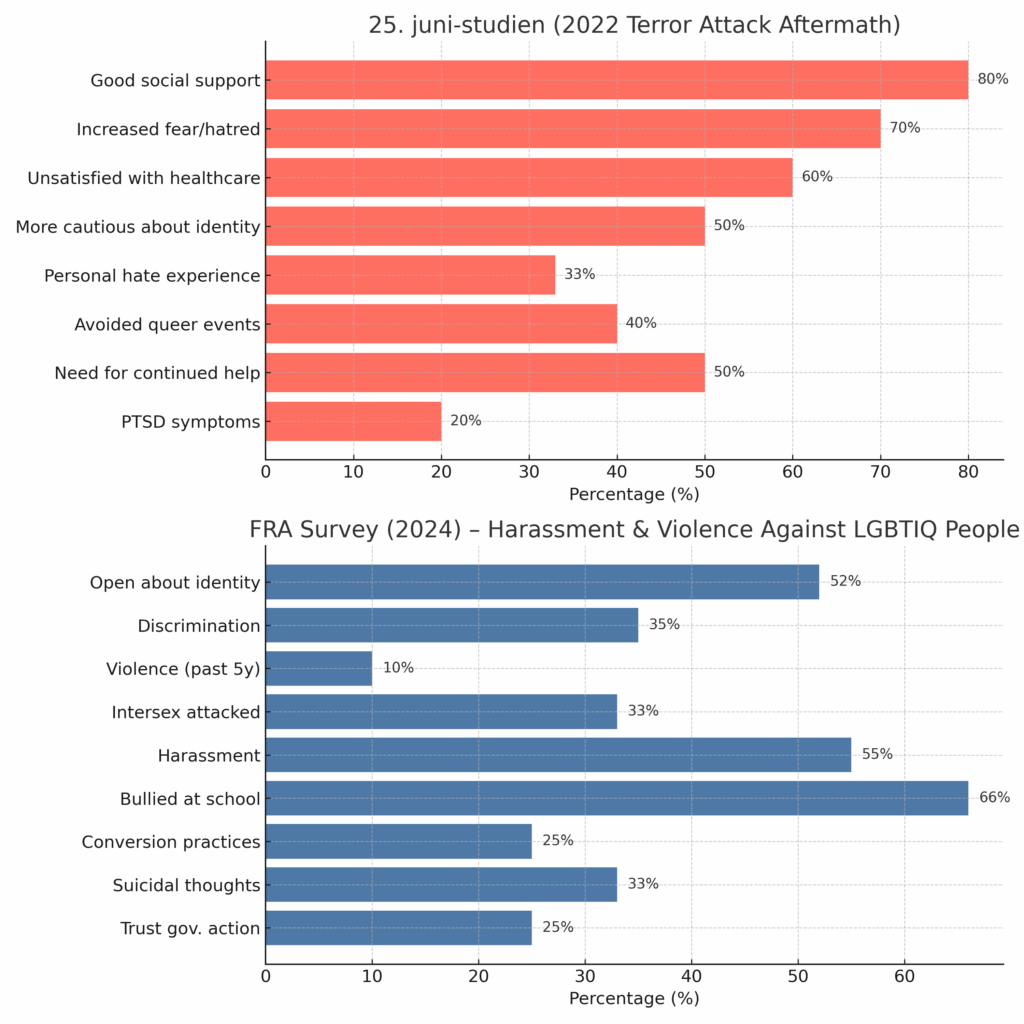
Sources: EU Agency for Fundamental Rights & NKVTS.
Safe havens in the UK: personal networks over public spaces
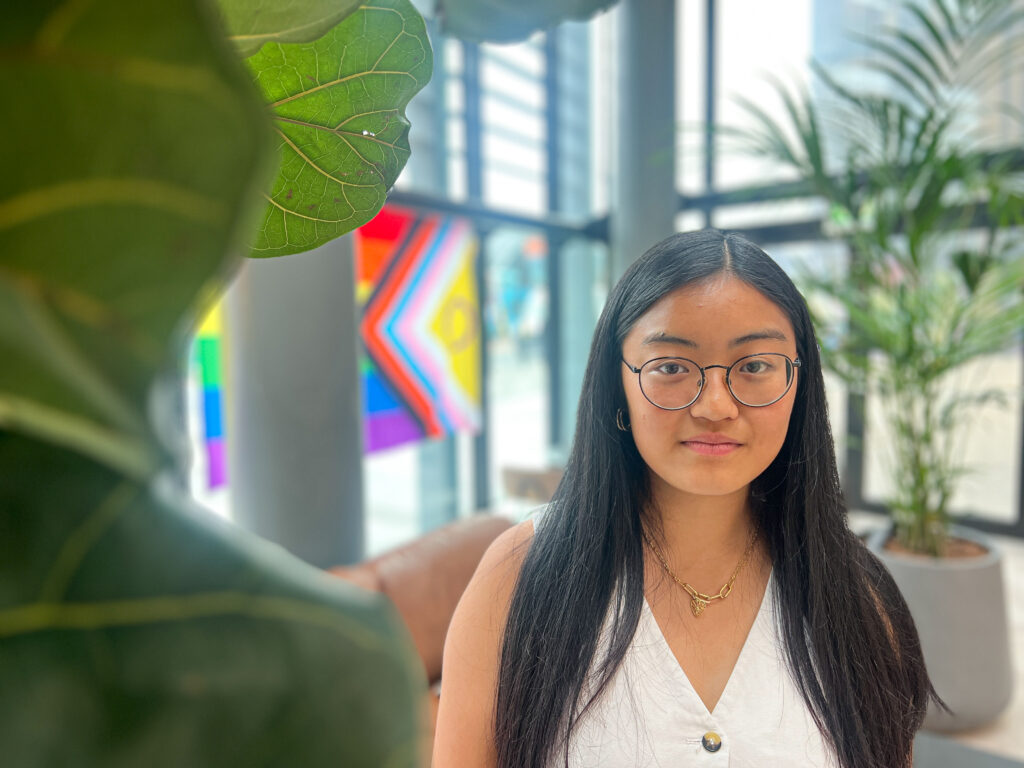
Across the North Sea, the question of safe havens is equally pressing. Ashley Kwan, a bisexual former LGBTQ+ Officer at Newcastle University Students’ Union, says her sense of safety relies less on physical venues and more on trusted people. “It’s just having people around me that I trust to have my back,” she explains.
Kwan, originally from Hong Kong, notes that visibility can be a double-edged sword. “I’m a lot more cautious in public spaces. I don’t want to put myself or my family in danger.” She often weighs whether being publicly out is worth the potential risk, especially in an era of rising far-right politics.
“I’m a lot more cautious in public spaces. I don’t want to put myself or my family in danger.” – Ashley Kwan
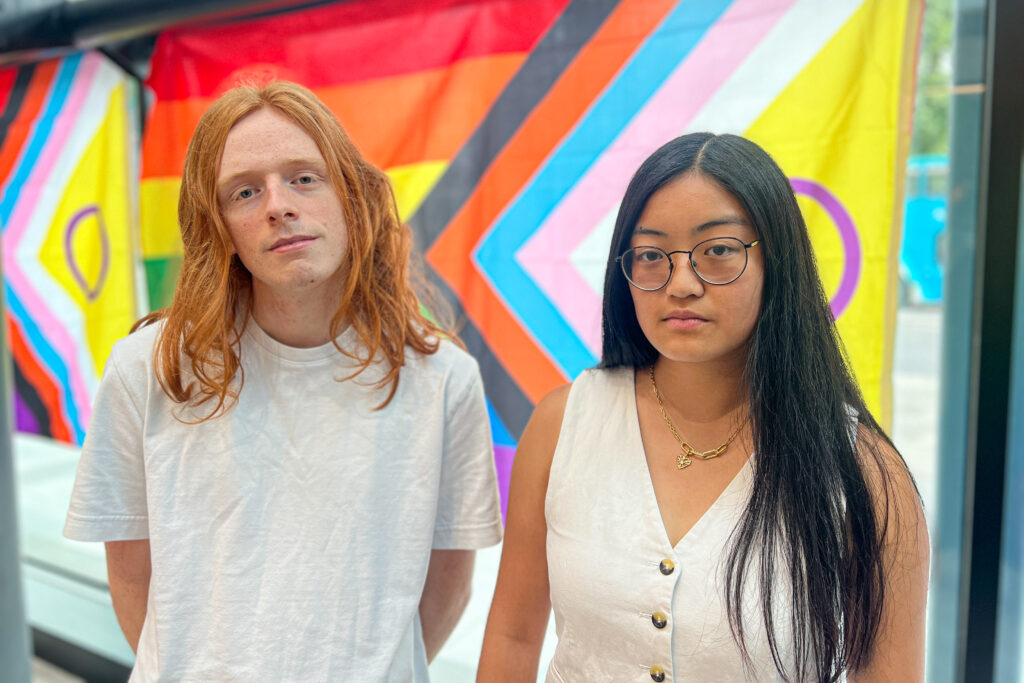
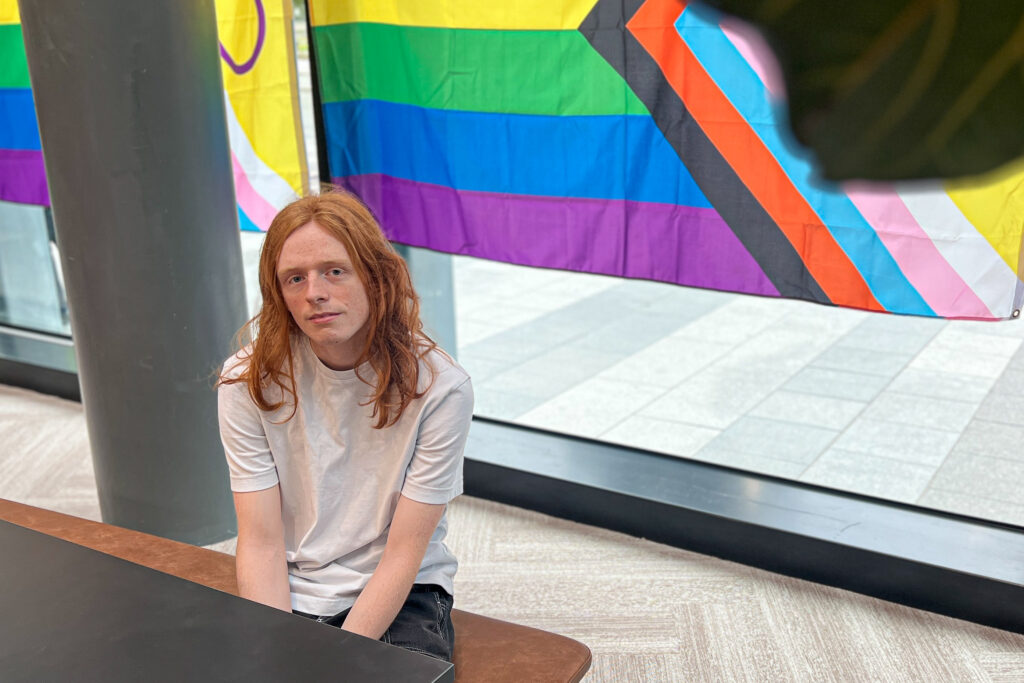
Lily Smart, her successor at NUSU and a trans woman, echoes that feeling. She appreciates queer venues but says even these can feel unsafe. For her, safety comes from community bonds: “When you’ve got good people around, it feels like almost anywhere can be pretty safe for you.”
Both have noticed a harder political climate. Smart points to the UK’s Reform Party and anti-trans rhetoric: “It feels like we’re moving backwards… splitting a community that now more than ever needs to be sticking together.”
The political and cultural climate: visibility, backlash, and commercialisation
Professor Gareth Longstaff, Senior Lecturer and Faculty Director of Equality, Diversity and Inclusion at Newcastle University, sees these tensions as part of a broader cultural paradox. “The more visible we become, the more the right wing gets pissed off,” he says.
Visibility — from Pride parades to rainbow flags in banks — can create solidarity, but also new targets.
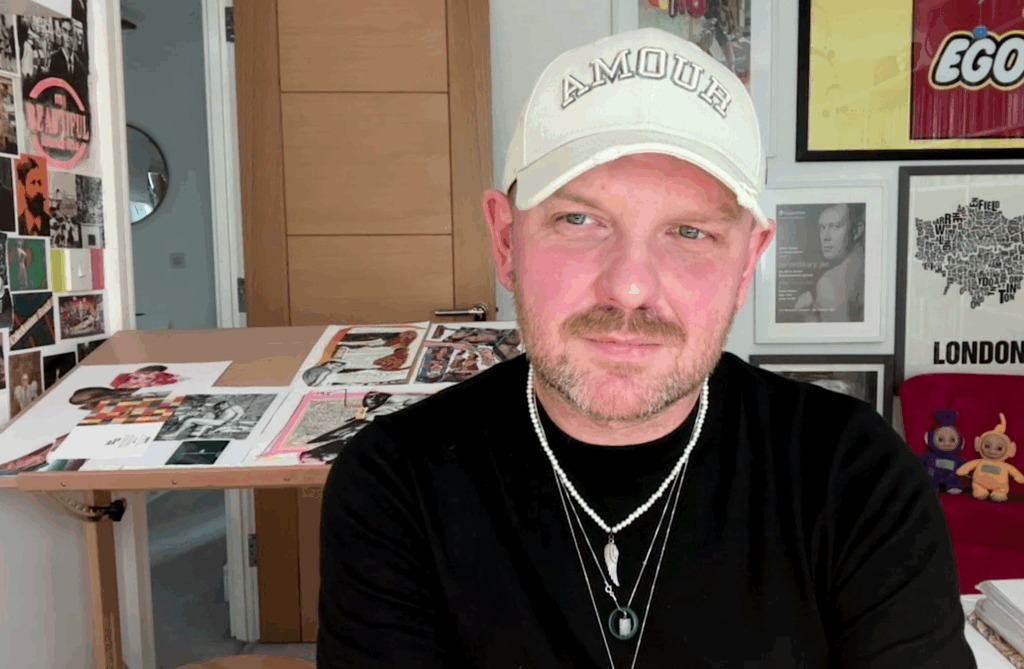
Longstaff traces the fragmentation of LGBTQ+ “community” to commercialisation and social media. “Pride can be a protest, but it’s also a stage for celebrity appearances and corporate branding. Sometimes the market eats up the lived joy or trauma of being LGBT.”
He warns that safe spaces, once invisible havens, are now ultra-visible — and that visibility can both protect and endanger.
For him, the most enduring safe havens are not necessarily institutions or events, but micro-communities: “A small queer café, a reading group, five friends having dinner… people become those spaces of safety.”
Building safety from the ground up
Evjenth’s support group is one such community. They organise commemorations, advocate for survivors, and provide spaces to talk. But the work is fragile. On the first anniversary of the attack, a disruptive voice in the audience sparked panic.
“The fear that bubbled up in that room was one of the worst things I’ve ever felt,” he recalls.
Looking ahead, Evjenth believes governments and society must actively protect LGBTQ+ spaces and resist the erosion of rights. “We can’t let history repeat itself,” he says. “The fight is both to heal and to make sure this doesn’t happen again.”
“We’ve come too far to give up now” – Lily Smart
Longstaff sees the future in grassroots action. “Millennials and Gen Z are saying: ‘We’re going to do it ourselves.’ Whether it’s an art gallery, a café, or a cinema, they’re creating spaces defined by community, not government approval.”
For Kwan and Smart, resilience comes from holding onto those bonds.
“We’ve come too far to give up now,” Smart says. “If the day comes when it’s impossible here, we’ll find another way — but until then, we keep fighting.”
In the wake of the Oslo attack, the need for safe havens has never been clearer. But the reality, both in Norway and abroad, is that these spaces are often not handed down from above—they are built from the ground up, by the very people who need them most.