
Fourteen years after surviving Norway’s deadliest terror attack, Tarjei Jensen Bech has stepped away from top political roles — not because his passion faded, but because the hatred that drove the attack never stopped.
On 22 July 2011, a far-right terrorist opened fire on the Labour Party youth summer camp on Utøya, killing 69 people. Nineteen-year-old Tarjei Jensen Bech ran through the forest, warning others, before being shot in the leg as he tried to escape into the water.
In the months and years after, he was determined not to let the attacker win.
“It showed how important politics is — many didn’t get to continue because they were killed. Politics suddenly became a matter of life and death,” Bech says.
From bullets to inbox threats
He rose through the Labour Party ranks, eventually serving as deputy county mayor in Troms and Finnmark. But even as he worked to strengthen democracy, the same ideology that tried to kill him kept finding its way into his inbox and onto his phone.
“I got emails saying ‘too bad Breivik didn’t shoot better,’ texts telling me to ‘watch around the corner’ because someone would be there with a gun — that’s the kind of messages I’ve received for years,” Bech says.
“It feels like the thoughts Breivik had are still out there — and that they’ve even spread.” – Tarjei Jensen Bech
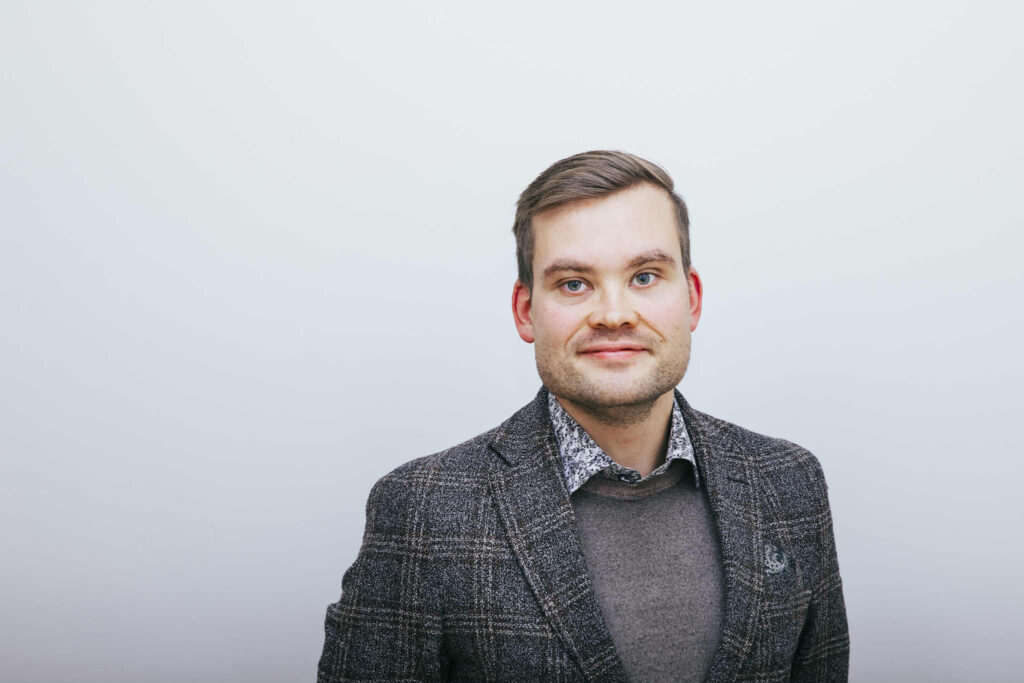
The harassment intensified the more visible he became. “When you get higher up, the hate increases,” he says.
Even brief online comments like “W Breivik” — slang for “win Breivik” — carried a chilling message: that the terrorist’s ideology had not only survived but spread. “It feels like the thoughts Breivik had are still out there — and that they’ve even spread.”
From renewed determination to burnout
Two years of targeted harassment eventually pushed him to step down. “It was exhausting to have my body in a constant state of alarm. Walking around afraid isn’t living — it’s surviving. And I realised I couldn’t keep doing politics like that.”
Bech believes many fellow survivors have made the same calculation he did.
“Some just can’t face the harassment. They’ve seen what happens to those of us who stayed. And for many, getting politically active again risks reopening the trauma.”
He recalls that the first years after the attack were calmer, but that over time extremist voices were “invited back into the debate,” making the climate harsher. “When you give those ideas legitimacy, you make it harder for people like us to stay,” he says.
Harassment as a continuation of terror
Fabian Wahl Sandvold, AUF’s current Utøya contact, says the fear is widespread.
“Many were scared away by the attack itself. And many have seen how the political debate has hardened. A lot of Breivik’s ideas have been normalised. That’s frightening — especially for those who have been threatened themselves.”
He describes a digital space increasingly hostile to young activists. “On TikTok, hateful and racist comments flood the sections. We’re talking about outright celebrations of extremist violence,” he says, adding: “That will scare more young people away from politics — especially girls and minorities.”
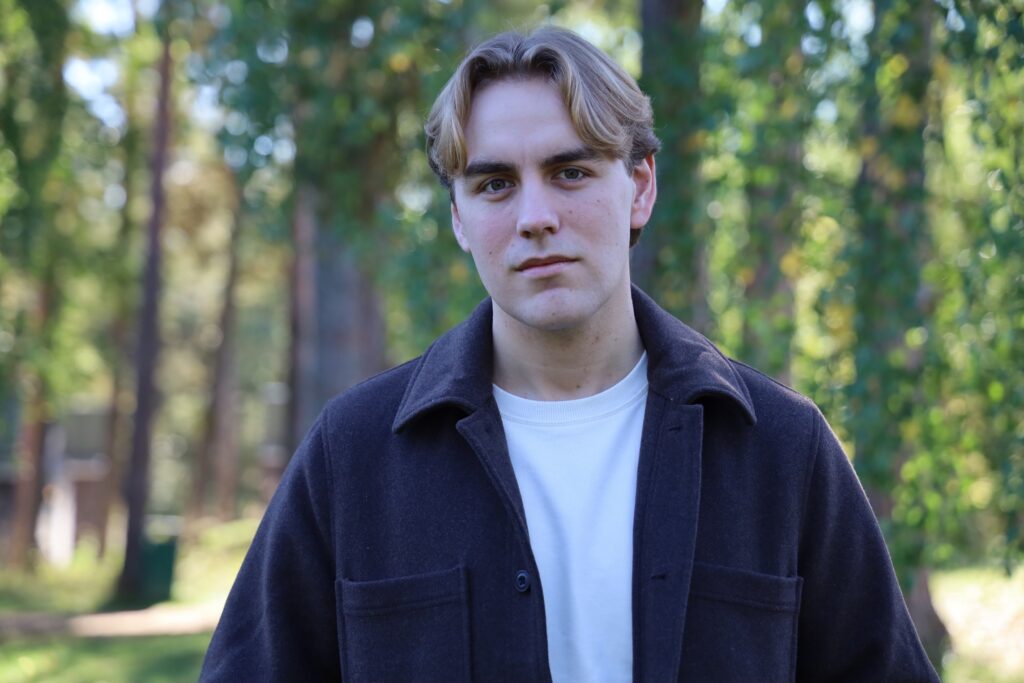
“We’ve been doing that since 2011, but we can’t catch everyone before they drop out. Some just disappear quietly,” Sandvold says.
AUF works to support members who face threats, helping with police reports, legal follow-up, and emotional support.
Hate as an extension of the attack
Psychologist and NKVTS researcher Kristin Alve Glad has followed survivors for more than a decade. Nearly one-third have experienced hate speech or threats directly linked to Utøya.
“These are often explicit wishes that they had been killed, support for the terrorist, conspiracy theories, or accusations of exploiting their survivor status,” Glad says, adding:
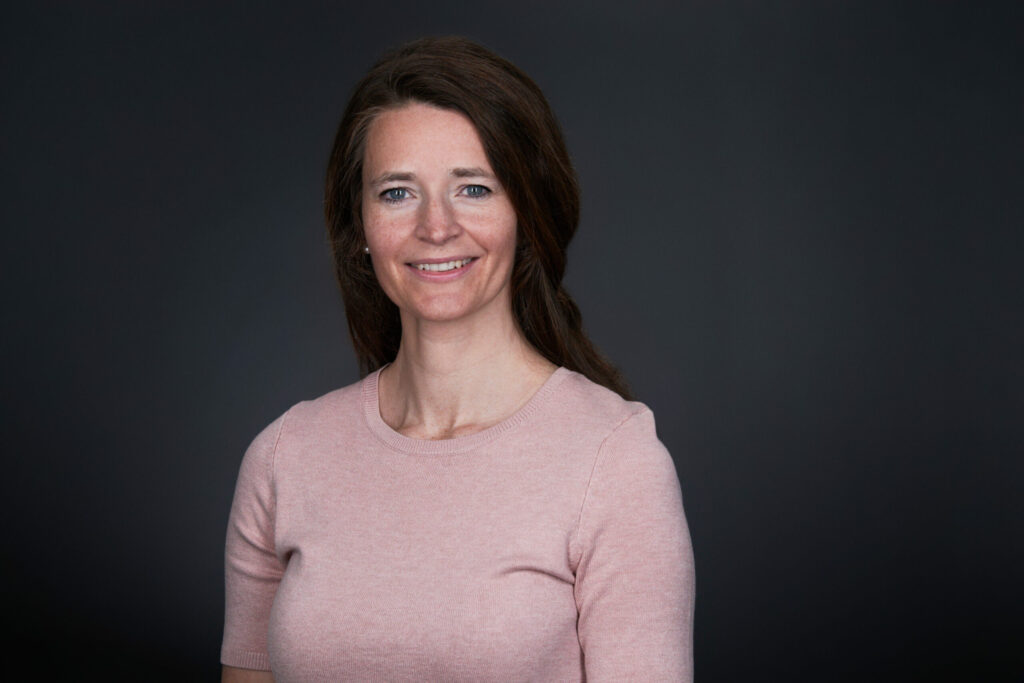
“Some have even been confronted by people claiming the attack never happened — a complete denial of their trauma.”
For about a quarter of those targeted, Glad says, the result is political withdrawal. “The hate and threats can be seen as a continuation of the attack. They have the intended effect — inducing fear and political withdrawal, which in turn hinders recovery, engagement, and democratic debate.”
She explains that sometimes it’s full disengagement; other times it’s self-censorship — avoiding certain topics, not wearing political symbols, even skipping events.
Democracy under pressure
For Bech, the danger isn’t just personal. “If only those with the hardest skin stay — the ones who don’t disappears — that’s not healthy for democracy,” he says, warning that harassment risks driving out the most empathetic and reflective voices.
Sandvold agrees: “We can’t afford to let the loudest and most hateful voices push others out. That’s how extremism wins without another shot being fired.”
Glad adds that this is not accidental — hate and threats are often designed to induce withdrawal. If enough people pull back, she warns, democratic debate shrinks and becomes less representative, leaving space for more extreme voices to dominate.
“Our biggest fear is not the extremists themselves, but that extremism becomes normalised. Unfortunately, that’s happened over the past 14 years.”, says Sandvold.
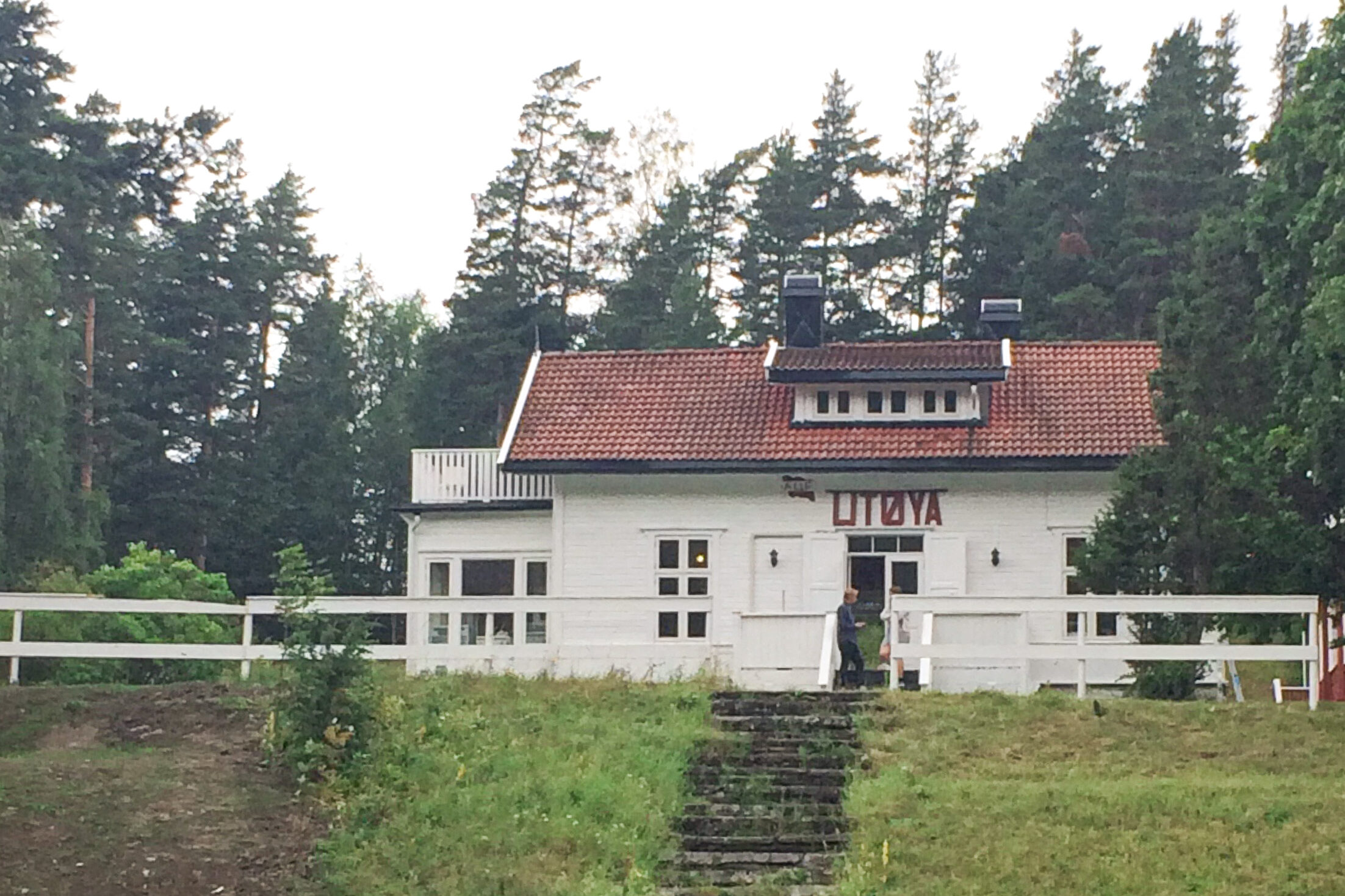
Finding a way forward
Bech still serves on his local council while finishing a law degree, and he hasn’t ruled out returning to higher office one day.
“You must never give up, even if it feels hopeless,” he says. “We need all voices, all backgrounds, to make the debate better.”
His message to young people considering politics, even in the face of online hate: “We need you. Your presence itself can help improve the climate. If more people from different backgrounds get involved, maybe we can push things in a better direction.”
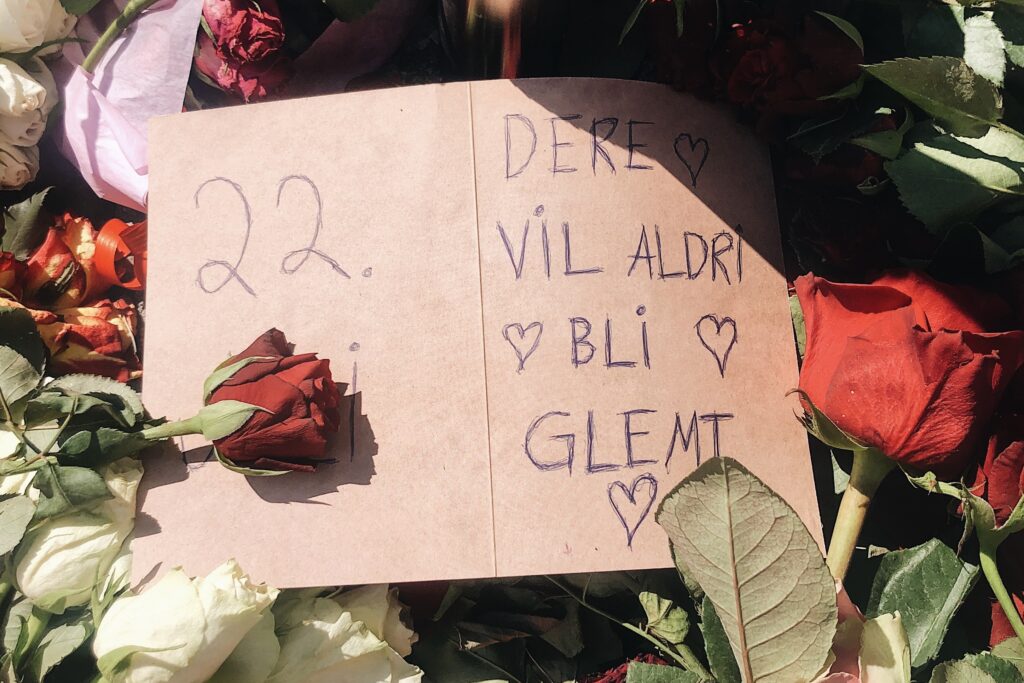
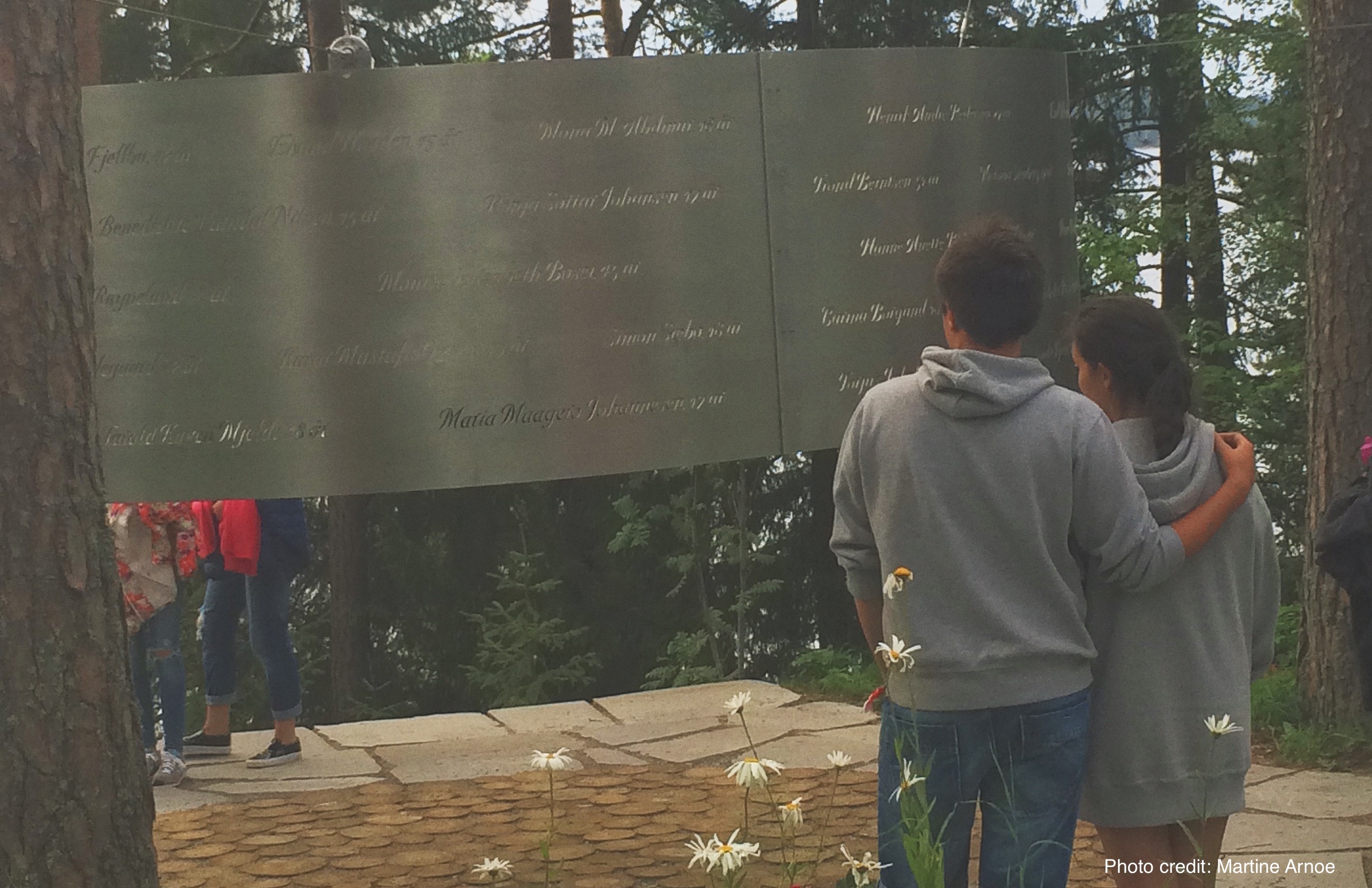
A symbol of remembrance: Roses placed at the 22 July memorial site with a note saying “You will never be forgotten”.
On 22 July 2011, far-right extremist Anders Behring Breivik bombed Oslo’s government quarter, killing eight, then attacked a Labour youth camp on Utøya island, killing 69 — most of them teenagers.
Photo credit: Martine Arnoe
Helplines:
- Norway: Need to talk? Call 116 123 anytime, day or night. Free, confidential, and anonymous support available 24/7.
- UK: Need to talk? Samaritans are available 24/7, 365 days a year. Call 116 123 (free).