Picture By Payal Rathore
Can live music still thrive in a digital world?
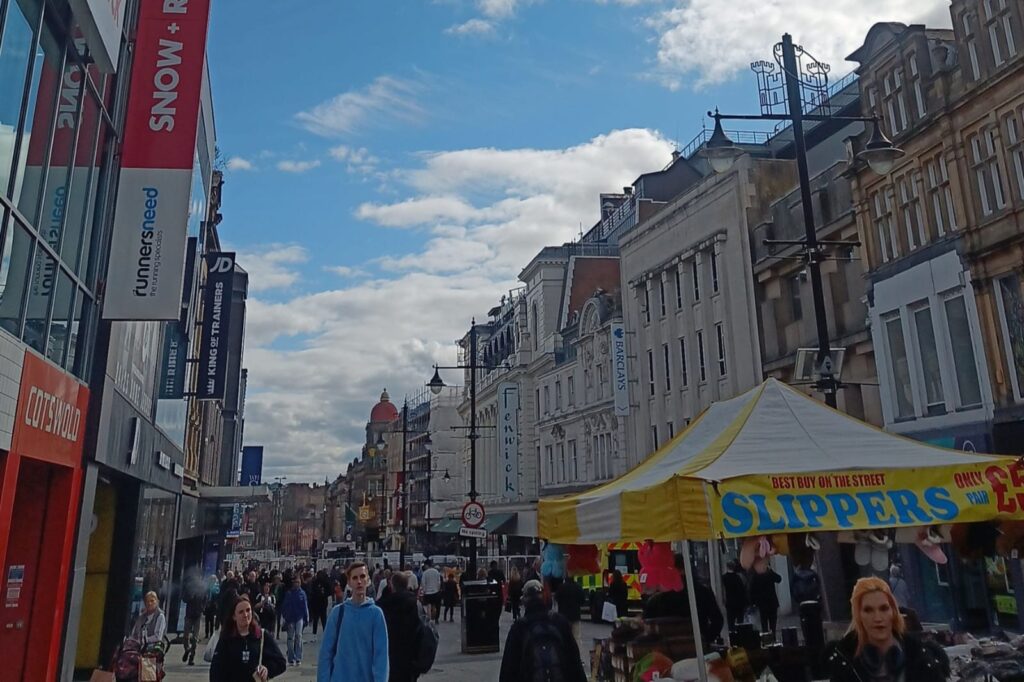
The world is full of trending hashtags, streaming algorithms, and 30-second videos, which shows that the only way to be musically acknowledged is through the screen. But on the lively Northumberland Street of Newcastle upon Tyne, while interviewing the heavy-metal guitarist Liam Mulpetre tells a different story, you will still hear the unmistakable, unfiltered sound of live music being played.
In spite of the supremacy of digital platforms, which are hailed as the launching stage of modern music careers, an increasing number are resisting the algorithm in favour of more direct and human interaction. But they do not object to social media; most of them have an online presence, but they prefer that the real, raw, immediate experience of performing for a live audience provides something that the internet simply cannot replicate.
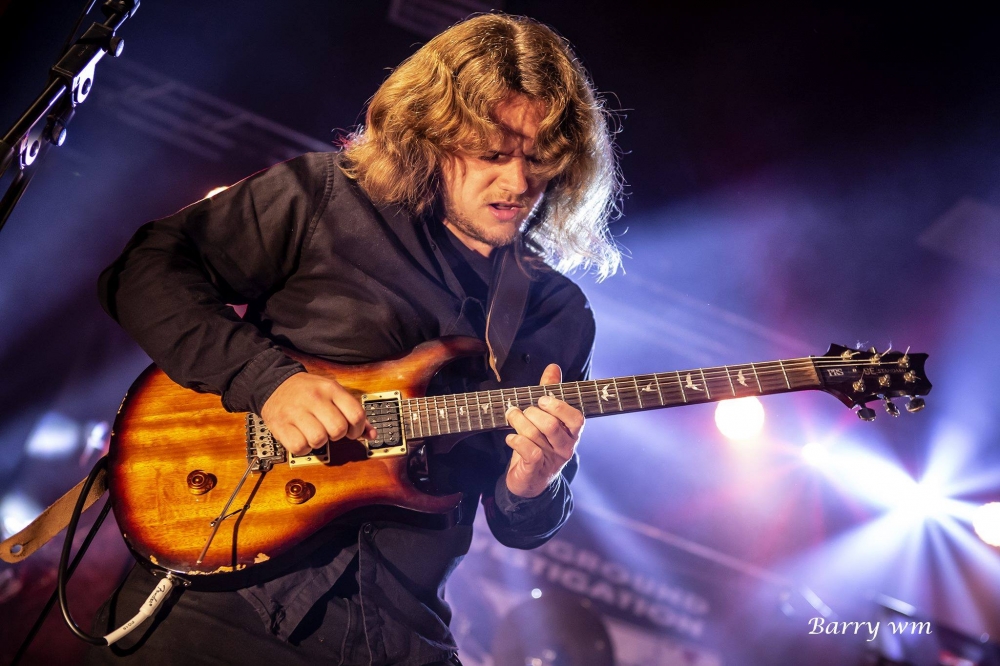
Picture by www.liam-mulpetre.co.uk
“When people react to you in real time, especially out in public, that’s a real response. It’s not been curated, it’s authentic.”, says Liam.
The Rise of Live Performance in a Digital World
While streaming and social media continue to dominate the way we consume music, research suggests that live performance, especially in public, still holds the cultural touch and value.
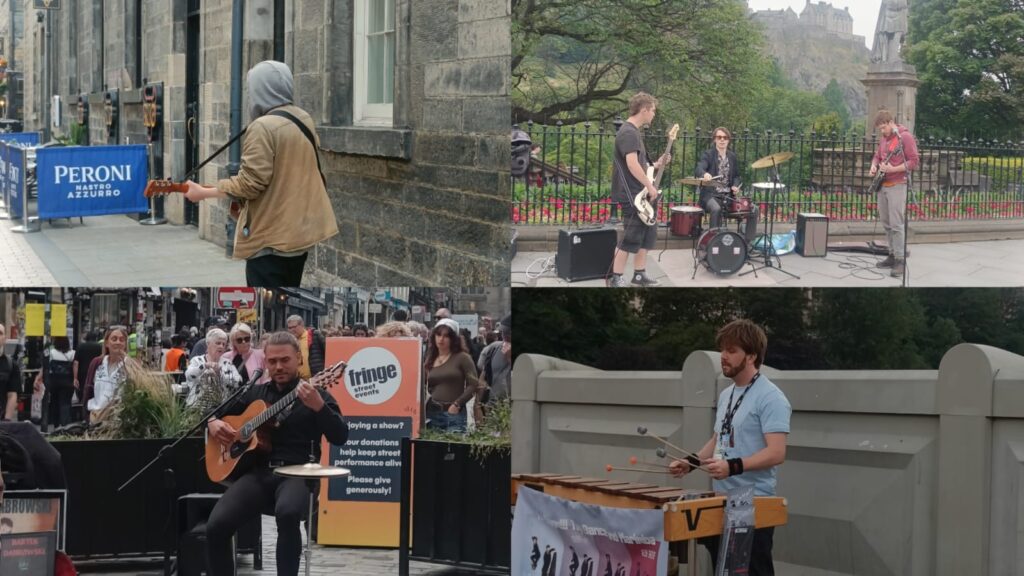
Picture by Payal Rathore
According to YouGov’s 2024 Arts and Culture Survey, 62% of UK adults say live music deeply impacts their quality of life, compared to only 18% who ranked social media clips first.
Is Social Media Important?
That doesn’t mean Liam rejects social media. He was Newcastle’s first contactless busker, a nod to changing consumer habits. He also maintains a YouTube channel with over 1,400 subscribers and an active Instagram presence.
He admits, “Social media is important now. It’s the first thing people look at when they want to know about you.”
From the IFPI Global Music Report 2024, about 88% of independent artists rely on social media platforms like Instagram, TikTok, and YouTube for promotion. But many artists, like Liam, worry about the creative compromises that come with algorithmic visibility.
“Music made for TikTok? It’s just bam, bam, bam, you just scroll. No attention span,” he says.
And this is disclosed by Billboard Magazine 2024, that 67% of songs that reached the top 50 of the TikTok charts were remixes or reused lines from existing hits.
What Live Still Offers
Live performance is not just about the exposure; it is about the authenticity. Unlike virtual content, live music calls for safety and spontaneity. The reaction is not just the comment, it’s the glance, the smile, and a pause in someone’s life.
Researchers published findings in 2022 in Sage Journals, showing that audiences perceive street musicians as more ‘emotionally present’ and ‘genuine’ than those in digital spaces. The study then concluded that unexpected meetings with live music in public places boost your mood and increase emotional well-being and connection quickly.
We cannot ignore the fact that this is the paradox modern musicians face. No doubt, social media is effective in reaching a large audience. But is it possible to have a music career without it?
“If you just want to earn a little spare change, maybe you don’t need it, but if you want to be remembered, get booked, teach, then yeah, social media helps,” Liam says.
Even in the live gig scene, the digital world looms. “Bands constantly plug their socials during performances. The two worlds aren’t separate anymore”, he shared.
Industry data of Music Business Worldwide reports that more than 75% of independent artists link every gig, merch item, and release directly to social media platforms, creating what they call a ‘360-degree artist presence’.
Hybrid Performance Culture: The New Normal?
As the boundaries between live and digital art are blurring, some artists opt for a hybrid approach to their career. They are blending the immediacy of live performance with the global reach of online platforms. Tools like livestreamed performances, online tipping platforms, and sharing content over social media have introduced new ways for musicians to connect their live performances to the online audience.
Liam Mulpetre sees social media as a valuable extension of his art,
“I don’t feel like a slave to it. But I use it to support what I do, not to define it. I still prefer performing in person, that’s where the music lives.” Liam says about social media.
A 2021 Ipsos study found that 78% of people say they value live cultural experiences more after the pandemic, with live music among the most missed activities.
Still, the online world plays a significant role in sustaining his career. “People tag me in stories saying ‘great playing’ or ask if I do events. A lot of lesson requests come through Instagram. That kind of connection wouldn’t happen without it”, he explains.
He even advises the young musicians to find their grounding.
“Don’t forget why you started. It’s easy to get caught up in numbers, but playing for real people, that’s what stays with you.”
Where the Music Still Breathes
Musicians like Liam tell us that the real world still stops and listens to the music they love. They don’t need to be streamed or downloaded; they want to happen unexpectedly on the way to someone’s work or the supermarket. And in these moments, music becomes what it was always meant to be: shared and gets an immediate response.
So next time, if you hear someone performing under an overpass or outside then stop for a moment. You may not listen to it again, but they will remember that you did.