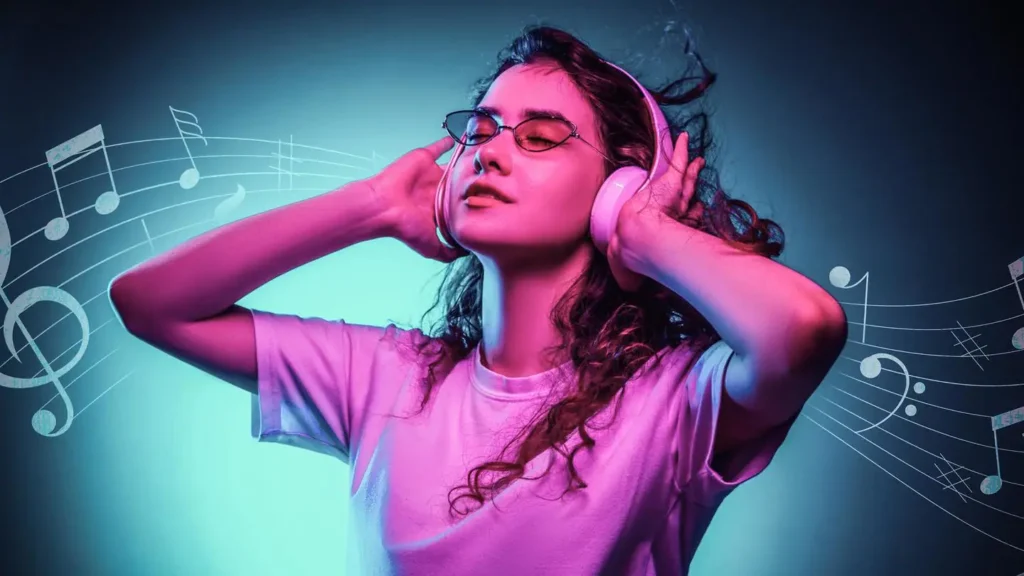
Have you ever wondered how music can boost your entire mood?
“Music is the one medicine you don’t have to swallow,” says Angela Kopshy, a music therapist of the NICU, U.S.
This is agreed by the recent research of the 2023 meta-analysis in Translational Psychiatry, which shows music therapy significantly reduces symptoms of depression and anxiety, often matching or enhancing the effects of standard psychological treatments.
There is a reason a sad song can make you cry, or a certain beat get you out of bed on a sluggish morning. Music doesn’t just tickle your ears; it speaks to the brain, the heart, and even the body. For people struggling with mental health challenges, that power can be transformative.
And for Angela Kopshy, that transformation is her daily mission.
“Music is accessible to almost everyone. It’s intrinsically motivating, it doesn’t require a lot of verbal communication, and our bodies naturally entrain to it within seconds,” she says.
From non-verbal children on the autism spectrum to hospital patients in pain, she’s seen music as a bridge, connecting people to their own emotions, their memories, and to others.
“The elements of music activate so much of the brain at once. Harmonic structure, rhythm, timbre, and emotion light up different areas, and that allows new neural networks to form,” Angela explains.
Major Benefits of Music Therapy:
- Emotional Regulation– Music always helps people in self-soothing and shifting moods. For instance, a depressed or anxious person can take the benefits of carefully curated playlists to manage their emotions.
- Social connection– Group music therapy encourages communication, sharing, and cooperative play, which is beneficial, especially for individuals who face social challenges.
- Motor Skills and Vestibular Activation– Rhythmic patterns improve coordination and balance, particularly in neurological rehabilitation.
- Speech and Communication– Angela has worked with non-verbal children with autism, and she finds that music therapy provokes speech development through the stimulation of auditory and motor pathways.
And the research backs up these findings.
A study in Frontiers in Psychology in 2023 found that group music therapy sessions significantly enhance emotional well-being and decreases symptoms of anxiety and depression. Another study in 2018 randomized trial published on PubMed pointed to music therapy’s value in helping to improve autistic children’s communication skills.
Personalize Music Therapy to Different Needs
Music therapy is best when it is attuned to personal taste. Angela Kopshy explains,
“There are many times when a live music therapist can assess the particular mood of a client, come in with the iso-principal and help shift the experience and connection in a way that may be challenging for a more prescriptive approach.”
For instance,
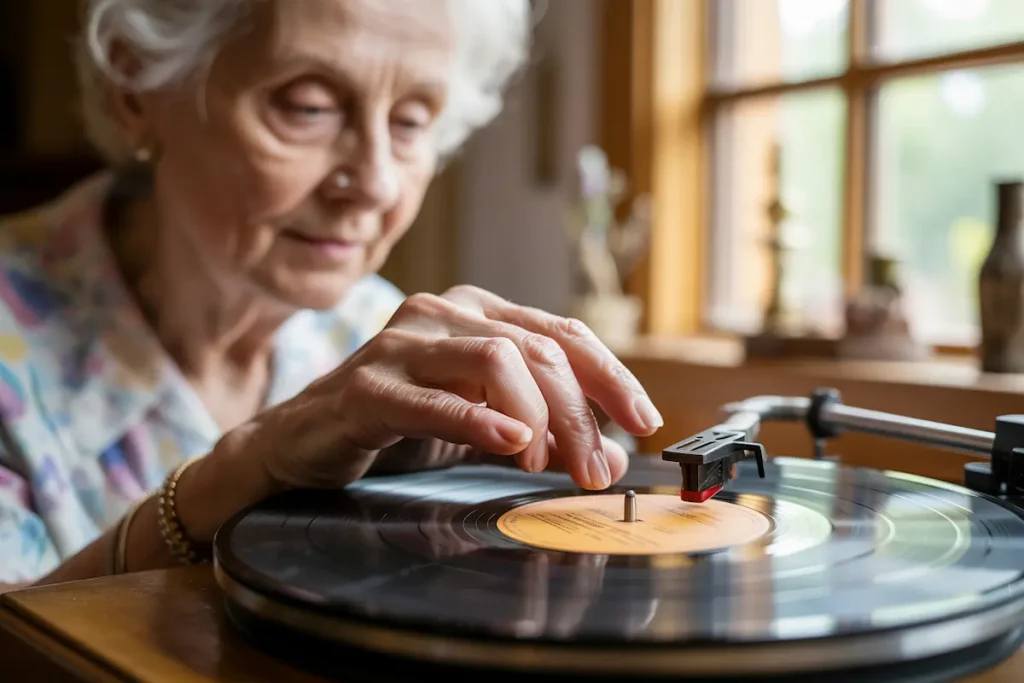
- For people with dementia, music that is familiar to them from their early lives can trigger memories and encourage mental activity.
- If a client is uncommunicative, the session may start with slow, calming music before gradually increasing tempo.
The Rise of Music Therapy and Challenges Ahead
Although music therapy awareness has increased, thanks to advocacy and social media, Kopshy adds that budget cuts in the U.S. jeopardize its growth. Funding cuts have prompted many hospitals and schools to reduce or eliminate music therapy programs.
In spite of these challenges, technology has helped to raise the visibility of music therapy. Online platforms and short videos promote the effects of music therapy, making it more accessible to the general public.
Music Meets Technology, But Keep the Human Touch

Angela is curious about apps like Endel, which provide AI-generated soundscapes for focus or relaxation. She appreciates the concept but warns against turning music into background noise.
“There’s space for both. A live therapist can feel what’s happening in the moment. Tech can offer access, but people still need connection,” she says.
Researchers are already blending AI with therapy with exciting results. Co-designed AI tools that music therapists helped shape, biofeedback-integrated systems that adjust music to your emotional state, and more meaningful, personalized experiences.
Bringing It Home: How to Try It Yourself
Booking a music therapy session is not possible for everyone. But it doesn’t mean that the person can’t use music for well-being.
“Start with what you feel now. Then choose the next song like you’re choosing the next step in how you want to feel,” says Angela.
Tips + Research Backing:
- Match and Shift– Start with music that reflects your mood, then move toward uplifting or calming tracks.
- Play, don’t just listen– Even simple drumming or humming can build resilience and cognitive engagement.
- Make it personal– Choose songs linked to positive memories for a boost.
A Final Note
Music Therapy is an energetic, complex, and versatile healing treatment with keen neurological and psychological benefits. Its uses are varied and stretch from helping non-verbal children to supporting mental health.
While challenges such as cuts in funding continue, the growing recognition of the benefits of music therapy, backed up by research and technology developments, suggests an optimistic future.
As Angela Kopshy’s insights show, music is multifaceted; in addition to entertaining, it’s a gateway to connection, transformation, healing, and going towards improvement. Through either face-to-face sessions or personal practices, tapping into the power of music can result in excellent personal development and well-being.
It was a beautiful read.